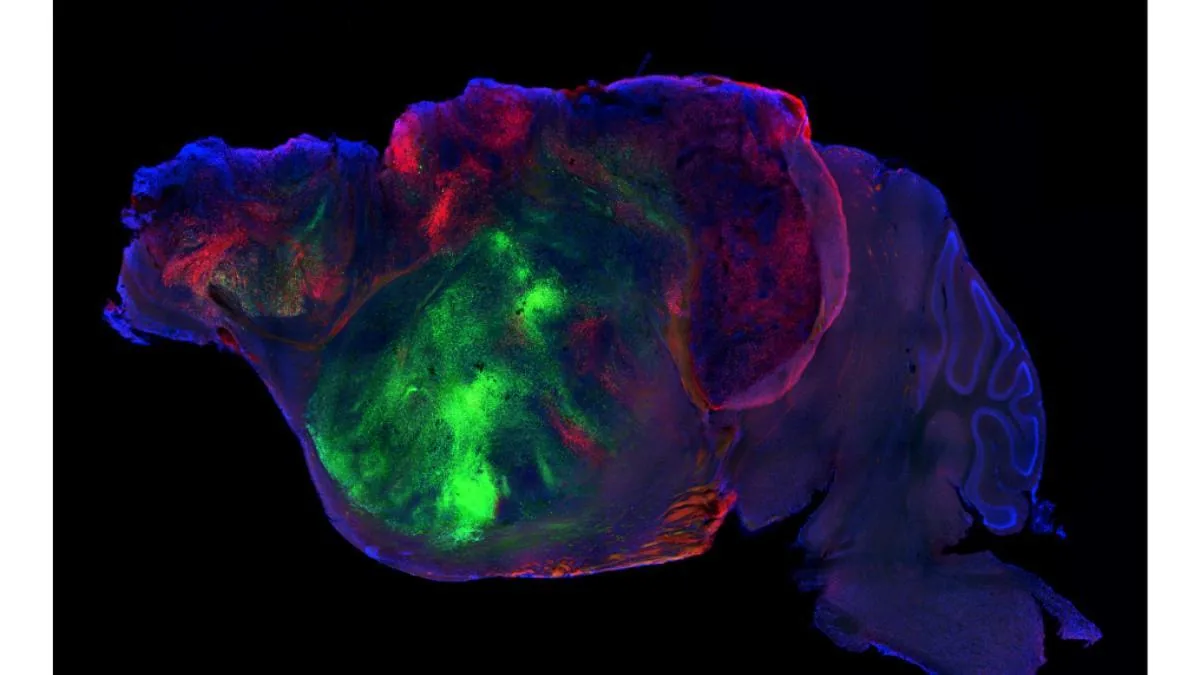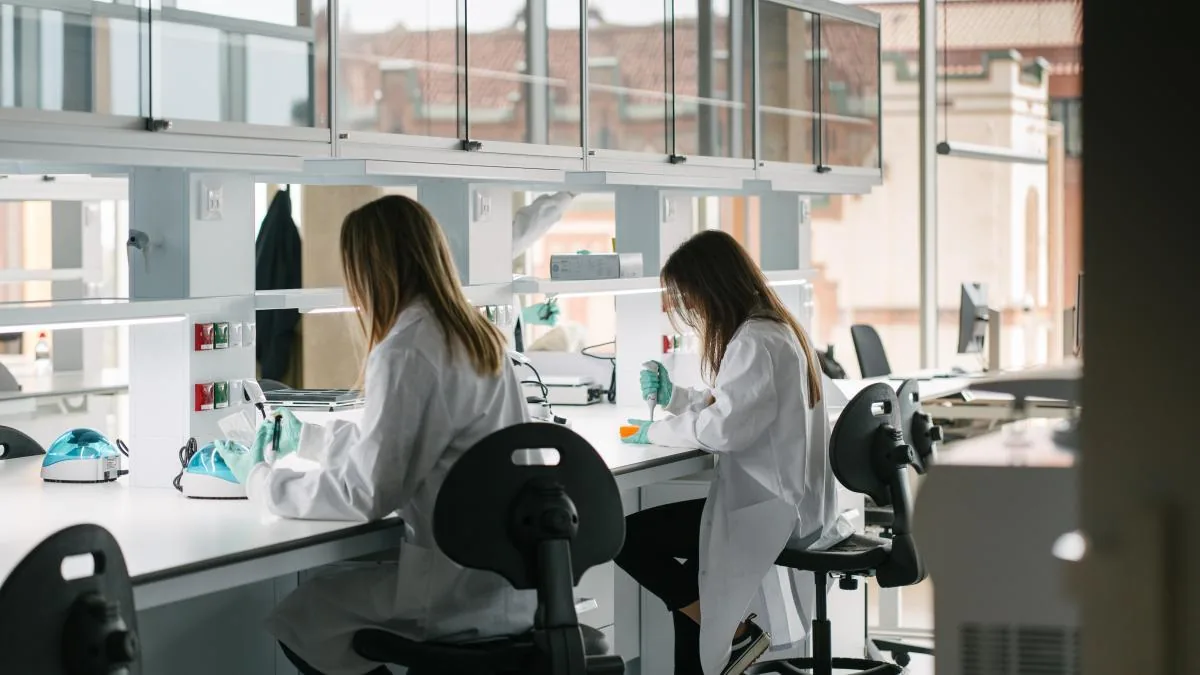
The ”la Caixa” Foundation strengthens its role as one of the major drivers of biomedical research in Europe with the launch of CaixaResearch Institute, a project that synthesizes more than 120 years of commitment to health, science, and talent. Since its origin in 1904, driven by Francesc Moragas, to the present under the presidency of Isidro Fainé, the entity has maintained a social vocation aimed at improving quality of life, with special attention to the most vulnerable groups.
Read more This is what robot dogs with heads of Musk, Bezos, Zuckerberg, and Warhol look like
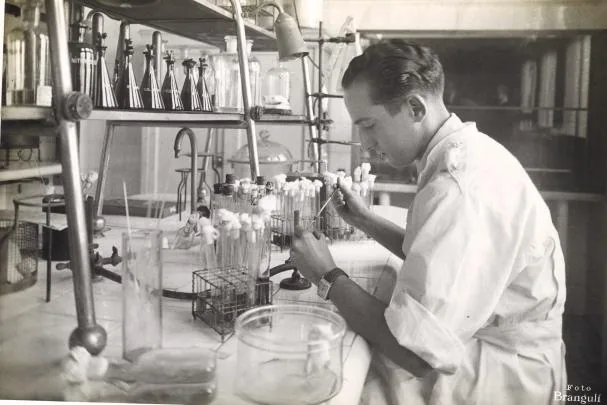
Throughout its history, the Foundation has promoted pioneering initiatives in the healthcare field, from centers for visual disability care to the fight against diseases such as tuberculosis. Over time, it expanded its action with scholarship programs that have boosted the talent of thousands of students. From the 1990s onwards, it reinforced its commitment to research with the creation and support of centers such as IrsiCaixa, as well as collaborations with ISGlobal, Vall d’Hebron Institute of Oncology (VHIO), or BarcelonaBeta Brain Research Center.
Today, with increasing investment – the Research and Scholarships area already represents 20% of its budget – the Foundation positions CaixaResearch Institute as the axis of an ecosystem oriented towards innovation, knowledge transfer, and the humanization of health.
A center to connect science
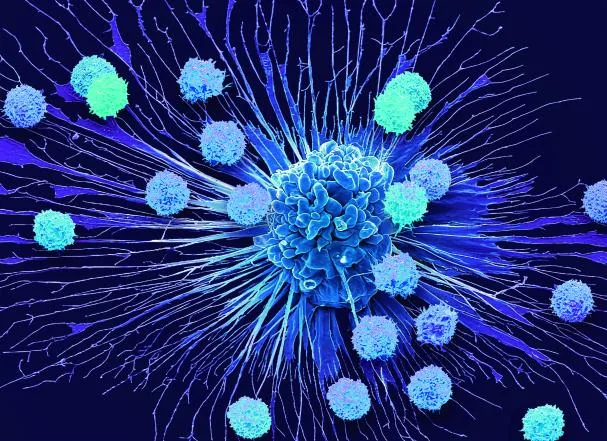
CaixaResearch Institute was born with the aim of overcoming the traditional fragmentation of biomedical research. Its commitment to immunology responds to its transversal nature, capable of connecting diseases and disciplines. “The idea was to create something that generated synergies with what already existed,” explains Àngel Font, the institute’s executive director. “That’s why the focus on immunology, a transversal field connected with cancer, infections, neurodegeneration, and autoimmunity.” Advances in vaccines, immunotherapy, or neuroimmunology have opened new paths for diagnosis and treatment. However, major challenges remain, such as understanding why immune responses vary between people or how they become deregulated in certain diseases.
The Scientific Committee of the ”la Caixa” Foundation, chaired by Javier Solana, has played a strategic role in defining the vision of CaixaResearch Institute. Additionally, the institute has its own Scientific Council, led by oncologist Josep Tabernero, which ensures progress aligned with international standards of scientific excellence in immunology.
The center structures its activity into three major areas: immunology and diseases, exposomic sciences – which analyze the impact of the environment on health – and systems immunology, supported by artificial intelligence and advanced technologies.
Internationally recognized talent
The institute brings together top-level researchers in various areas of immunology. Among them, Dr. Gabriel Rabinovich, biochemist and PhD in Immunology, senior leader at CaixaResearch Institute and co-founder of Galtec, focuses his work on galectins and their role in cancer and autoimmunity. Also part of the team is Dr. Josep Dalmau, neurologist specialized in neuro-oncology, MD and senior leader at CaixaResearch Institute, who investigates immune mechanisms in the nervous system. Meanwhile, Dr. Maria Mittelbrunn, leader of the Immunometabolism and Inflammation Laboratory at the Severo Ochoa Molecular Biology Center and future senior group leader at CRI, analyzes immunological aging.
The team is completed with profiles such as Dr. Gemma Moncunill, biologist and PhD in Immunology, consolidated group leader at CaixaResearch Institute and specialized in vaccines; Dr. Héctor Huerga Encabo, biologist specialized in biomedicine, PhD in Immunology and junior group leader at CaixaResearch Institute, who studies mutations associated with aging; and Dr. María Martínez López, biochemist, researcher in neuroimmunology and junior group leader at CaixaResearch Institute, focused on the relationship between the immune system and the nervous system.
Architecture designed for science
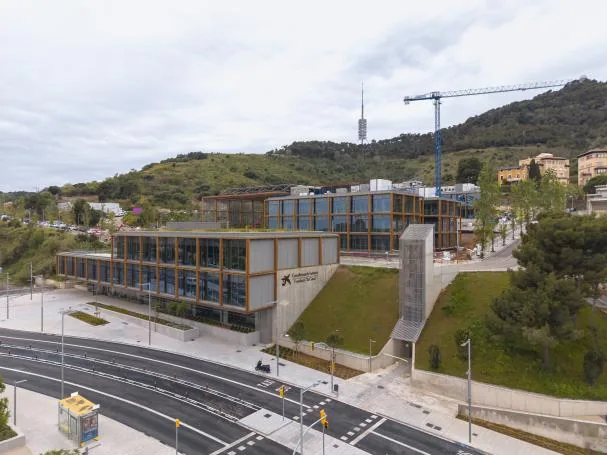
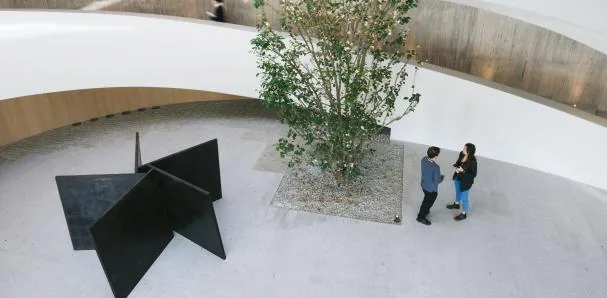
The institute building, designed by TAC Arquitectes and led by Eduard Gascón, responds to the needs of advanced research. With an investment of 80 million euros and 20,000 m², the space is organized into modular units that promote collaboration.
Located between Collserola and the Ronda de Dalt, the center integrates sustainability criteria such as geothermal energy, solar energy, and water reuse, which allows reducing energy consumption and environmental impact. The project is part of a scientific campus connected with CosmoCaixa and the Francesc Moragas gardens. Inside, a sculpture by Richard Serra symbolizes the solidity and balance that characterize both the architecture and scientific research.
CaixaResearch Institute is integrated into an ecosystem driven by the ”la Caixa” Foundation which, with its incorporation, brings together seven biomedical research centers with complementary profiles, aiming to connect disciplines and accelerate translational research.
Read more Fangoria: “We are like the Ramones in techno”
In the field of infectious diseases, IrsiCaixa brings decades of experience in the study of HIV and immune response. Its director, Dr. Bonaventura Clotet, emphasizes that “studying HIV allowed understanding how the immune system works and its relationship with other diseases.”
In global health, ISGlobal contributes with its research on vaccines and infectious diseases. Dr. Quique Bassat highlights “the need to translate immunological advances into real tools to reduce health inequities.”
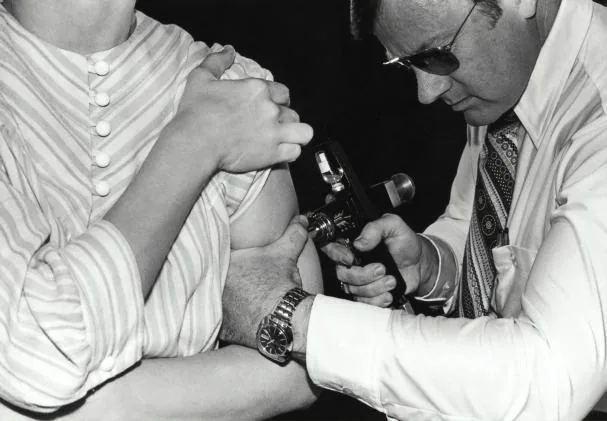
In oncology, VHIO has established itself as a reference in personalized medicine. Its director, Dr. Tabernero, recalls that “science is totally collaborative and thinking otherwise is neither efficient nor fair.”
In the field of neurodegeneration, BarcelonaBeta Brain Research Center focuses its work on Alzheimer’s. Dr. Arcadi Navarro, director of the Alzheimer’s research center where the Pasqual Maragall Foundation operates, focuses on “achieving that research has a real impact on patients and the healthcare system.”
In pediatric research, Institut de Recerca Sant Joan de Déu contributes its specialization in childhood diseases. Its director, Dr. Joan Comella, highlights that joint work “allows translating advances into pediatric clinical practice.”
Finally, Gulbenkian Institute for Molecular Medicine expands the network at the European scale with its focus on molecular medicine. Its director, Dr. Maria Mota, summarizes the shared vision: “The immune system is at the center of everything and connects multiple organs and systems.”
Philanthropy to boost European science
CaixaResearch Institute is framed within a model of scientific philanthropy expanding in Europe. In recent meetings organized by Philanthropy Europe Association (Philea), more than twenty foundations agreed on the importance of creating centers with autonomy and long-term vision. “These spaces strengthen European competitiveness,” says Àngel Font. Along the same lines, Danielle Kemmer, from the Novo Nordisk Foundation, points out that philanthropy allows “working with a long-term vision, beyond political cycles.”
Science with social impact
With the 2025-2030 Strategic Plan, the ”la Caixa” Foundation aspires to consolidate a European ecosystem of biomedical research, attract international talent, and generate knowledge with direct impact on society.
The CaixaResearch Institute symbolizes this turning point: a space where science, collaboration, and philanthropy converge to accelerate innovation and improve people’s lives. A project that looks to the future without losing sight of the social commitment that has guided the entity for more than a century.
Read more Spain, Novartis’ global talent laboratory: the hubs that are reimagining medicine from Barcelona