Wall Street is going full throttle upwards, climbing towards records, but the real economy, that of the people on the street, surprised this Friday with a loss of 23,000 jobs in the month of July. This more than evident sign that the US labor market has cooled down, despite the Dow Jones that President Donald Trump boasts so much about, complicates the Federal Reserve’s (Fed) task as it weighs whether to raise interest rates amid persistently high inflation.
Read more «The armorer is a locker»: Civil Guard associations call for strengthening the custody of weapons
The data is a bombshell to analysts’ forecasts. There was consensus that the labor market, after adding only 57,000 jobs in June, would this time go higher and reach at least 85,000 hires, with an unemployment rate that would remain at 4.2%.
Despite the poor data, this rate falls to 4.1% because fewer Americans went out to look for work. The labor force participation rate continued to fall to 61.4%, its lowest level in more than five years.
The Department of Labor numbers also provided more evidence of the slowdown by revising the June data and lowering the figure given at the time by 20,000.
All this occurs at a time when markets are concerned about the Fed’s ability to keep inflation under control, increasing pressure on monetary policy makers to raise borrowing costs.
US stock futures (Dow Jones, S&P 500, and Nasdaq) rose on Friday amid expectations that the unexpected deterioration in the latest employment report will lead the Federal Reserve to keep interest rates unchanged, rather than raise them as many predicted.
A weakened labor market and a high consumer price index represent the most difficult combination to manage for the US central bank. This situation pits the Fed’s two goals (low inflation and a healthy labor market) against each other and forces the institution’s governors to make complex decisions about which of the two goals should take priority.
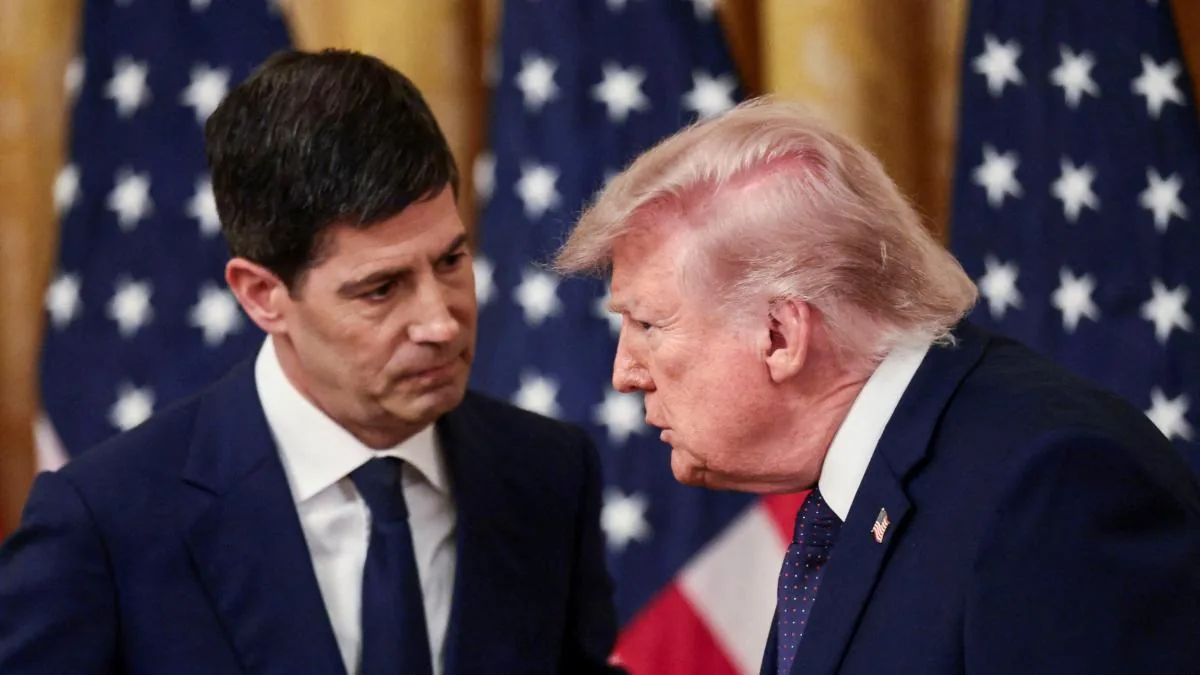
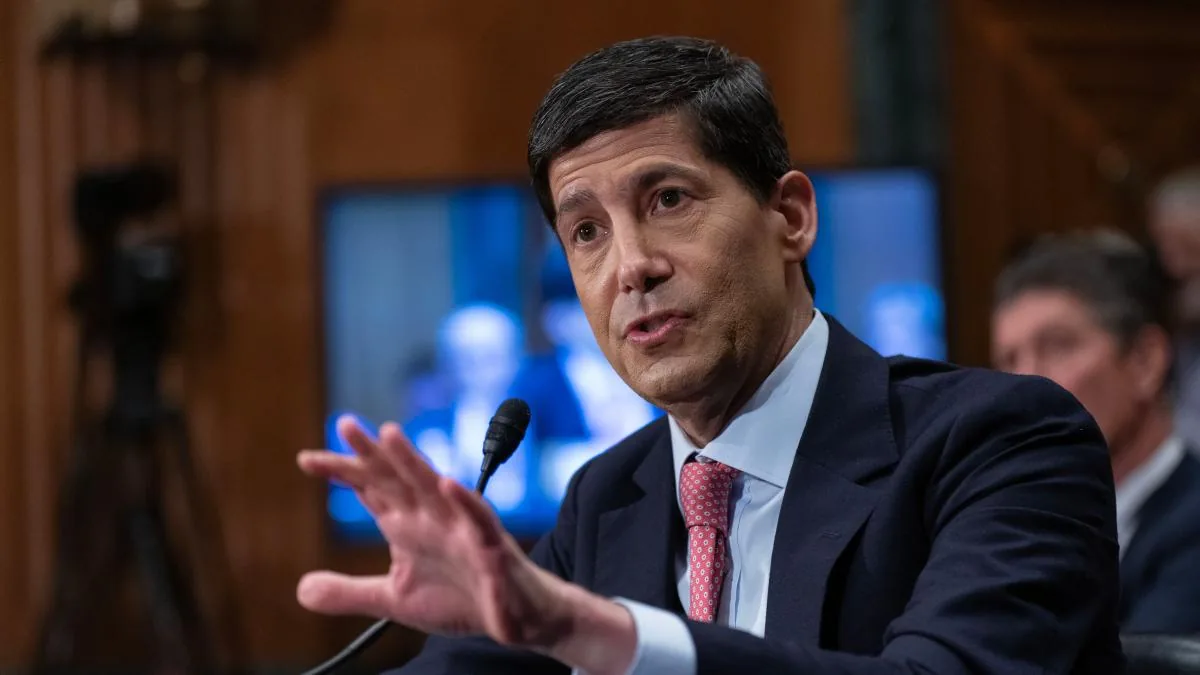
To date, attention had focused on inflation amid intensifying price pressures. That is why there was talk of raising interest rates, completely contrary to what Kevin Warsh, the new Fed chairman, intended, whose aspiration was to lower those rates as Trump requested.
Read more The Ukrainian street vendor victim of a Russian ‘human safari’: “I only had garlic in my hand”
This totally unexpected employment data comes after what seemed to have been a rebound in job creation earlier in the year, driven by optimism generated by the tax cut, relief from the pause in imposing new tariffs, lower interest rates, and lower inflation.
But those figures have also been revised downward, with a total of 103,000 fewer jobs than initially counted. These revised figures place the average job creation over the past twelve months at barely 34,000.
Since that optimistic start, costs have risen, while oil trade from the Persian Gulf has been paralyzed and the Trump administration resumed its offensive against imports. On top of all this, it is increasingly difficult to find workers as the pace of immigration has slowed considerably.
The drop in jobs in July was led by a reduction of 50,000 positions in local government education and a loss of 19,000 jobs in retail trade. The financial activities sector also recorded a decline of 14,000 jobs.
Healthcare, which has been the main driver of job creation, added 22,000 jobs, a figure below its average of 36,000 over the past year.
While employment remained down, workers’ wages also barely advanced during the month. Average hourly earnings increased by only two cents, which reduced the year-on-year wage growth to 3.2%, below the expected increase of 3.5%.