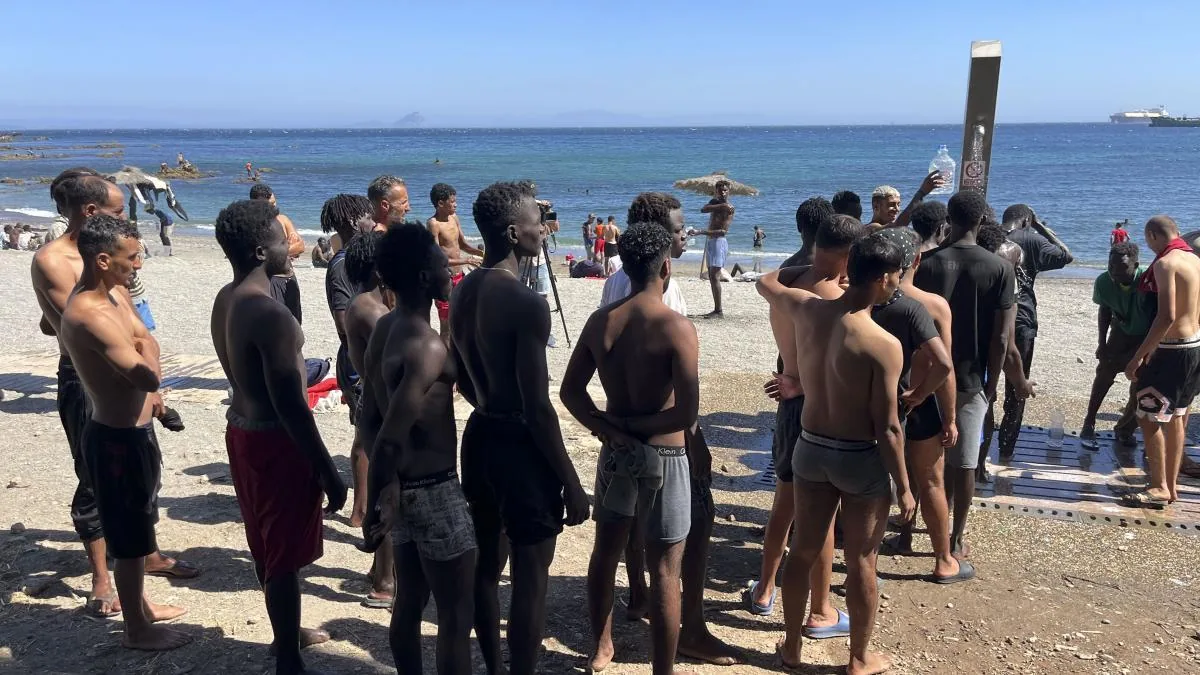
In the Ceuta migration crisis, we have more information from the Spanish side of the border than from the Moroccan side. While in Spain there is a fluctuation of figures regarding the number of deaths and people who participated in last week’s invasion, in Morocco everything is much more confusing. Information comes from there through NGOs or citizens organized on social networks who want to know the whereabouts of their relatives who crossed the border. The mosaics with dozens of photographs of “disappeared” people in the Ceuta avalanche are harrowing, especially because many of these faces are minors.
Read more Robles, Marlaska, Bolaños and Albares will appear in Congress at the end of August over Ceuta
For what purpose are these parents looking for their children? I understand that they are anguished to know if they are still alive. But, in the case of minors, do these parents want to hear from their children to claim them and have them return home or to check that their adventure in search of a better life is still ongoing?
This debate has moved into the political and social sphere. Some advocate for respecting the right of minors to live with their parents and believe that priority should be given to locating the families of these kids so they can return home. While others argue that the minor’s right to decide their life project outside their country takes precedence and, therefore, the priority is to welcome them in Spain as unaccompanied minors so they can develop a more prosperous future.
Read more The Mossos arrest the alleged perpetrator of the Nou Barris homicide
Both sides agree that the consideration of a minor is different in Spain compared to other countries of origin of immigration where a fourteen or fifteen-year-old kid has the family and social endorsement to “make a living” like an adult, whereas here someone of that age should be attending secondary school. This also explains why most of the 4,000 minors who, according to NGOs, wander around Ceuta do not feel like children, but they know that this status in Spain grants them a passport to achieve their goal and that of their family to settle in Europe, work, and send money to their loved ones following the path of hundreds of thousands of people who preceded them. Understanding this context would help to realistically address this issue.
Read more The Vinícius saga ends with a happy ending for Real Madrid: renewed until 2032