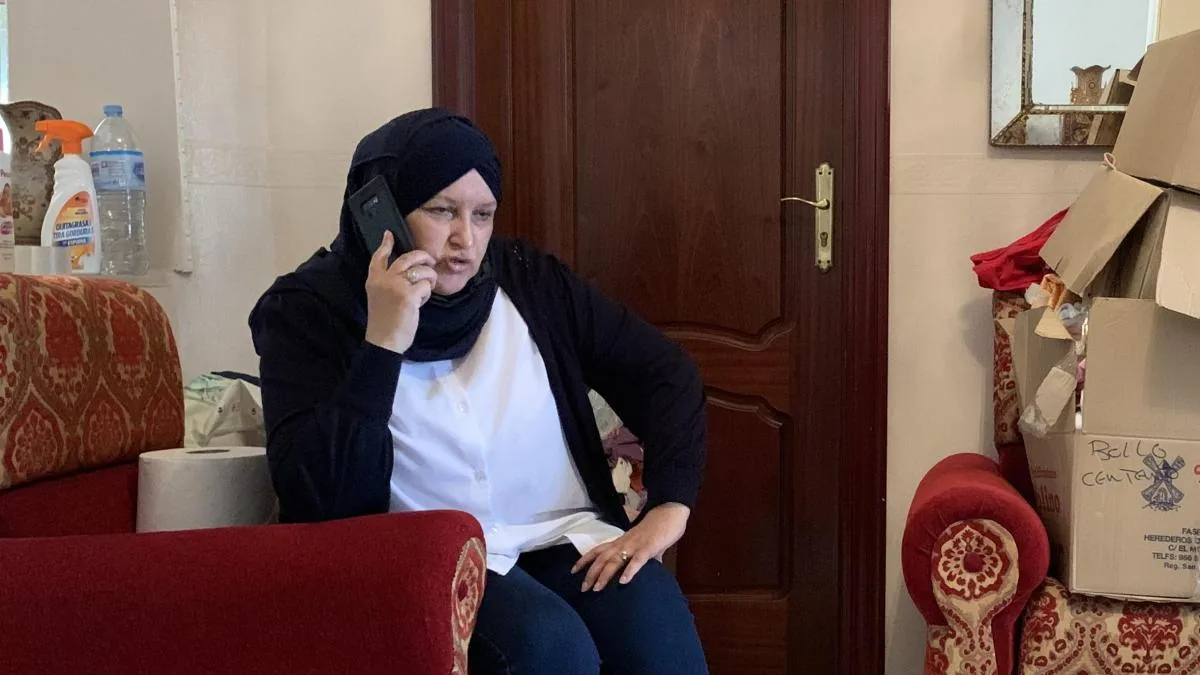
The house of Ceutí Sabah Hamed, located in the Los Rosales neighborhood, has once again become, since last Saturday, a point of humanitarian attention following the latest migratory crisis in Ceuta. Hamed offers help to hundreds of people every day, all affected by last week’s massive entry.
At her home, thanks to the help of a dozen volunteers and donations from the city’s residents, food, water, and clothing are distributed daily, in addition to allowing migrants to shower and clean themselves. This is work that Hamed has been doing since the migratory crisis of May 2021 and for which she received the María de Eza Award in 2022.
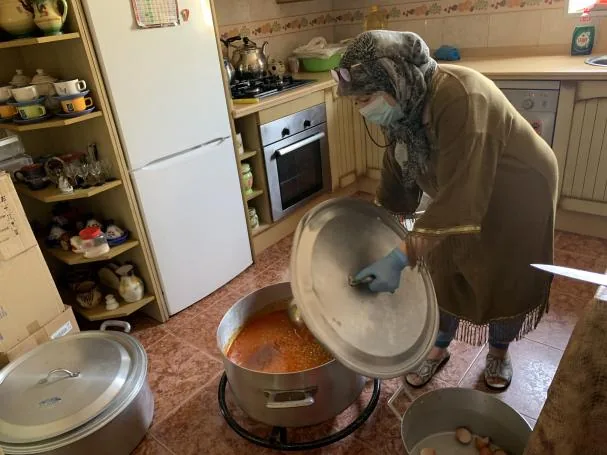
The aid point offers the basics to survive: hot food, footwear, and clean clothes. Additionally, the volunteers try to treat the migrants’ minor wounds and provide intimate hygiene items to women. The Ceutí has explained that she cannot offer a place to sleep due to lack of space in her home.
In statements to Europa Press, Hamed emphasized the importance of “these people showering, they have gone days without cleaning themselves and eating,” in a situation that worries her especially because of the presence of pregnant women and minors among those needing help.
Showers are organized separately. Men use a facility set up on the rooftop of the house, while women use the bathroom inside the house, which the volunteers continuously clean to ensure its use.
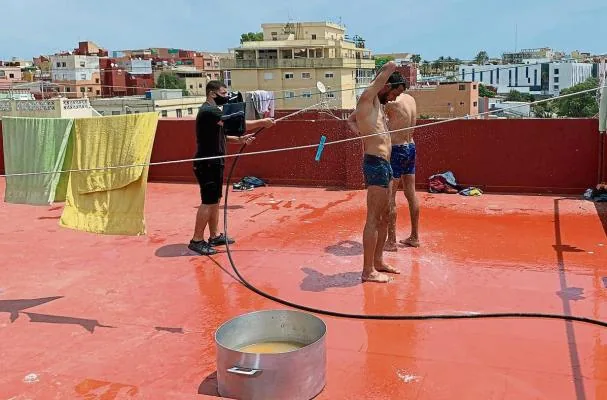
The Ceutí has assured that among the people attended to these days, there are those who already tried to enter Ceuta during the 2021 crisis and have now tried again with last week’s massive entry.
Read more Spain is close to 50 million inhabitants with 10.2 million people born abroad
Sabah Hamed’s work continues thanks to donations from associations and leftover material from previous humanitarian campaigns. The volunteers try to distribute tents and sleeping bags among people who remain hidden in different parts of the city.
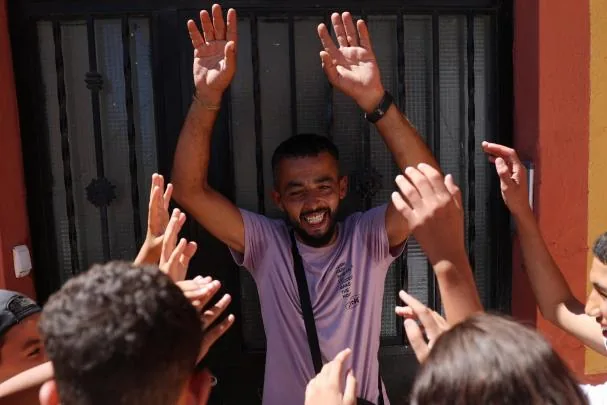
Sabah Hamed’s is not the only example of solidarity work: there are more neighbors trying to help the people who have arrived after the massive entry in recent days. Ramza Moreno, a citizen of Ceuta, tries to assist every day the youngest who have entered Spanish territory, some of them unaccompanied minors.
Moreno helps migrants by registering their data to include them in NGO censuses, which try to put names and surnames to the figures of recent days. Like Hamed, he offers shelter to people in extreme vulnerability.
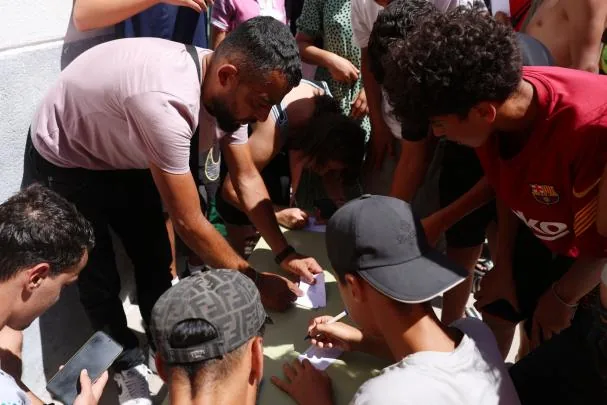
According to the latest data from the Government Delegation, about 2,500 people who arrived with the massive entry remain in Ceuta. For Hamed, the work does not stop: “We have to help out of humanity,” she has stated, while continuing to contribute with the delivery of food, clothing, and essential products.
Read more The Government assures that Spain wants and deserves the 2030 World Cup final