While Mexico prepares to be one of the hosts of the 2026 World Cup, in the state of Sinaloa a much older sport survives: ulama, a pre-Hispanic ball game with more than 3,400 years of history that today struggles to stay alive.
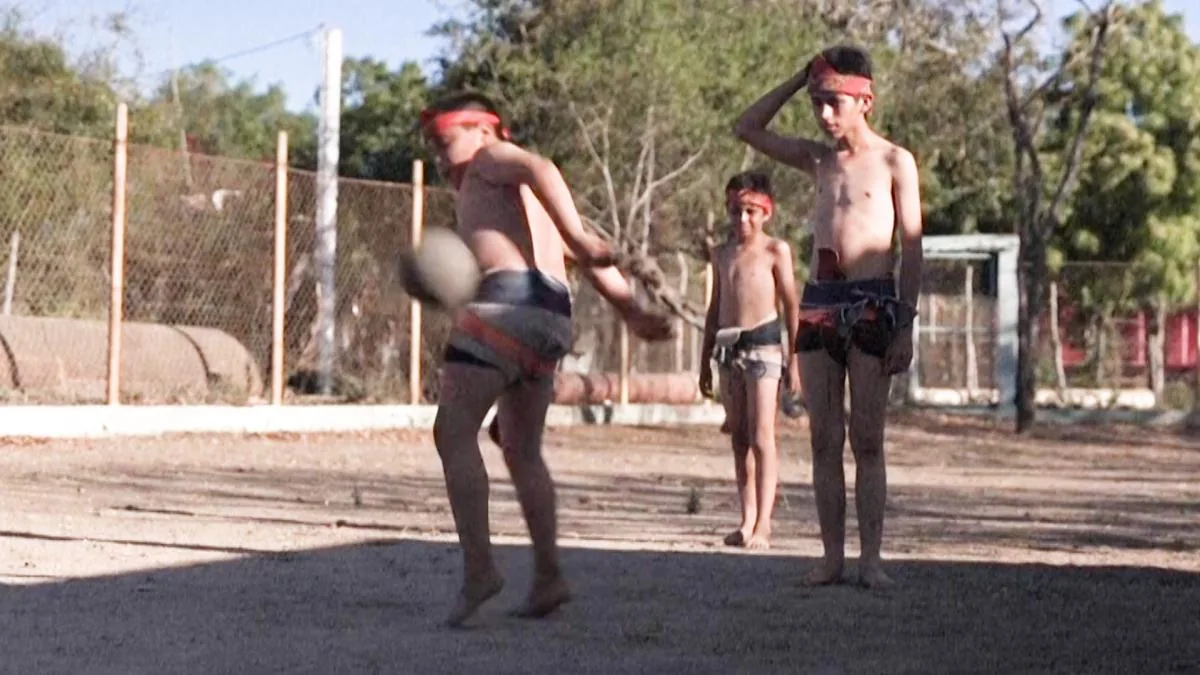
The game is played with a heavy rubber ball weighing more than three kilos, which players can only hit with their hips, forearms, or, in some variants, with mallets.
In the small town of Los Llanitos, near Mazatlán, the Osuna family keeps the tradition alive. There, children between 8 and 13 years old learn the rules and techniques of this ancient sport.
The origin of ulama dates back to the Mesoamerican civilizations. According to the Popol Vuh, the sacred Mayan book, the universe was born from a ball game where the forces of light and darkness clashed. Long before the Mayans, the Olmecs already practiced this ritual sport, of which nearly 2,000 traces have been found from Nicaragua to Arizona.
Read more Disinformation from Russia is impacting the Spanish army’s «operational capacity»
The game even fascinated the conqueror Hernán Cortés, who took players and balls to Spain to exhibit them before the court of Charles V. However, over time, colonial authorities banned ulama and destroyed many of its courts, considering it a practice linked to pagan beliefs.
It only survived in some remote areas of the Mexican Pacific. Decades later, the sport reappeared publicly during the opening of the 1968 Mexico City Olympic Games, sparking academic and cultural interest in preserving it.
Currently, ulama remains a minority sport, with around a thousand players between Mexico and Guatemala. Even so, the approach of the 2026 World Cup has boosted exhibitions and cultural campaigns seeking to give visibility to this ancestral heritage.
Read more Carlos III opens the legislature at the most critical moment of Prime Minister Starmer