President Donald Trump has never been a fan of the Pulitzer Prizes. Not long ago, he demanded that these awards be withdrawn from the media outlets that investigated his Russian connections. This year’s edition, announced this Monday, also does not put him in a good light, and much of the awarded information, reports, and opinions expose the alleged corruption and his authoritarian policy, especially against opponents and immigrants, which have marked his first year back in the White House.
Read more A Ukrainian drone crashes into a skyscraper in Moscow
Among the fifteen categories, The New York Times took home three awards, the most, while Reuters and The Washington Post each received two. If there was something many of these recognitions had in common, it was their efforts to investigate the Trump administration, which, in matters that if they happened in another country, would be grounds for calls for resignations and legal actions.
Not forgetting the case of the sexual predator Jeffrey Epstein, a subject in which the current president of the United States appears repeatedly due to an old friendship, which was also present in this edition.
Marjorie Miller, the Pulitzer administrator, emphasized at the start of the announcement that this is always a day of celebration, but today more than ever, she qualified, journalism faces tremendous political and economic pressure. She regretted having to remind that these awards defend freedom of expression, access to government institutions, and press independence.
“Unfortunately, media access to the White House and the Pentagon is restricted, freedom of expression is being challenged in the streets, and the President of the United States is filing multi-billion-dollar lawsuits for defamation and malice against multiple print and broadcast media,” she denounced.
In a moment of crisis, only the talent and dedication of journalists and new startups make the ground still fertile, she maintained.
It is in this line of informational resistance that almost all these awards are interpreted. The Times won the investigative category for a series of reports exposing “how President Trump has shattered limits on conflicts of interest and exploited profit opportunities that come with power, enriching his family and allies.” Said just like that, exactly.
Read more A Mossos union defends carrying weapons to educational centers
Along this path, Masha Gessen won the opinion award for her essays and articles on authoritarian regimes published in this newspaper. The third distinction for the New York-based outlet went to Saher Alghorra for his photographs of devastation and famine in Gaza, for which the Trump administration also bears responsibility.
It was not the only media outlet celebrated for its work in this field of power and greed. The Washington Post won the public service award “for piercing the veil of secrecy surrounding the chaotic restructuring of federal agencies by the Trump administration and documenting in great detail the human impacts of the cuts and their consequences for the country.”
While the Post’s other award was for feature photography (awarded to Jahi Chikwendiu), Reuters won the national reporting award for documenting how “the president used the U.S. government and the influence of his followers to expand executive power and retaliate against his adversaries.”
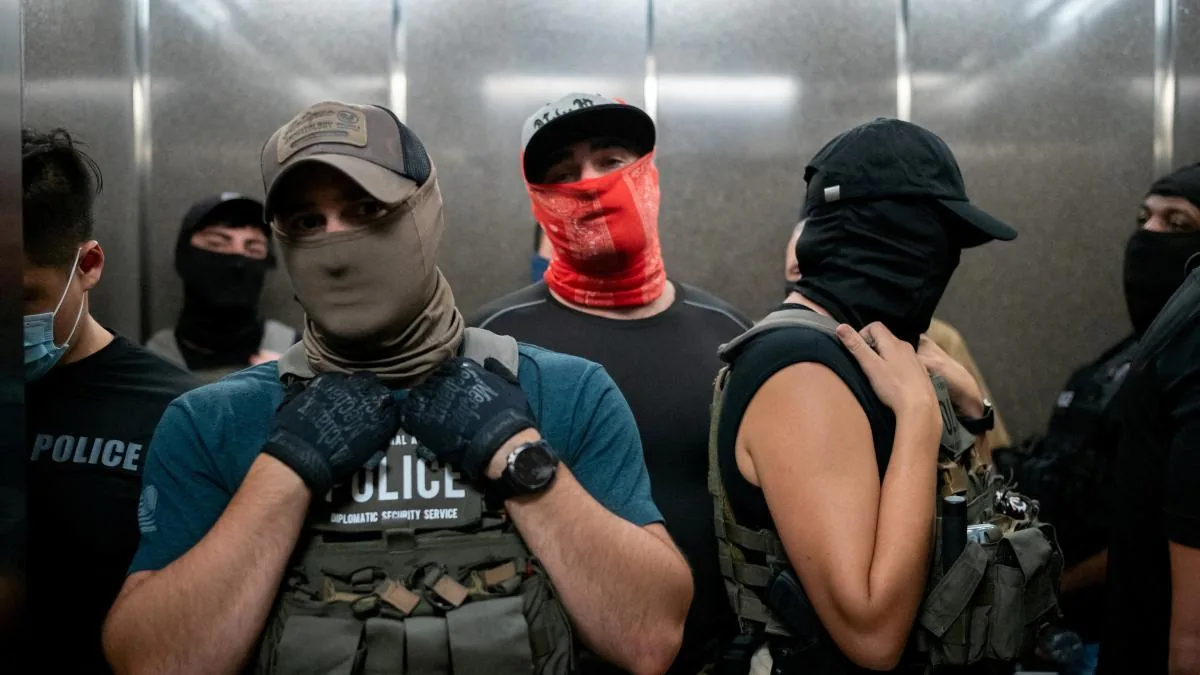
Meanwhile, the Chicago Tribune received the local reporting recognition for “its powerful coverage of the militarized immigration raid by the Trump administration in the city, which described with vivid and forceful prose how the ICE agents’ incursion, similar to a siege, united Chicago residents in resistance.”
Additionally, among other media honored by this award established by Columbia University (Bloomberg, Minnesota Star Tribune, ProPublica along with The Connecticut Mirror, San Francisco Chronicle, AP, Texas Monthly, Dallas Morning News, and Pablo Torre Finds Out (podcast)), there was a special citation for Julie K. Brown of the Miami Herald.
The distinction is due to her investigative journalism work carried out in 2017 and 2018 that led to reopening the Epstein case after an initial light conviction in Florida. In her work, she showed how authorities and prosecutors, some closely linked to Trump, rolled out the red carpet to cover up those crimes.
Read more Children under 12 years old must be heard in processes that affect them