Russia has decided to allow its main financial institutions to arm themselves with anti-aircraft defenses so that they can shoot down Ukrainian drones attacking them. This measure, included in a new law approved by the Duma (Lower House), is one more of those previously taken to try to stop the incursions of unmanned aircraft into Russian territory, which are becoming increasingly frequent.
Read more Israel assures it will carry out the «emigration project» in Gaza
The new law grants the Central Bank of Russia a license to operate defensive systems and to arm its own personnel to repel drone attacks without waiting for the special forces to act.
The legislative initiative was presented in August 2025. It definitively passed the parliamentary test this Tuesday. The deputies who authored the law claim that it is necessary to protect the facilities of the Central Bank of Russia amid the attacks.
Kyiv aims to deprive Moscow of crude export revenues
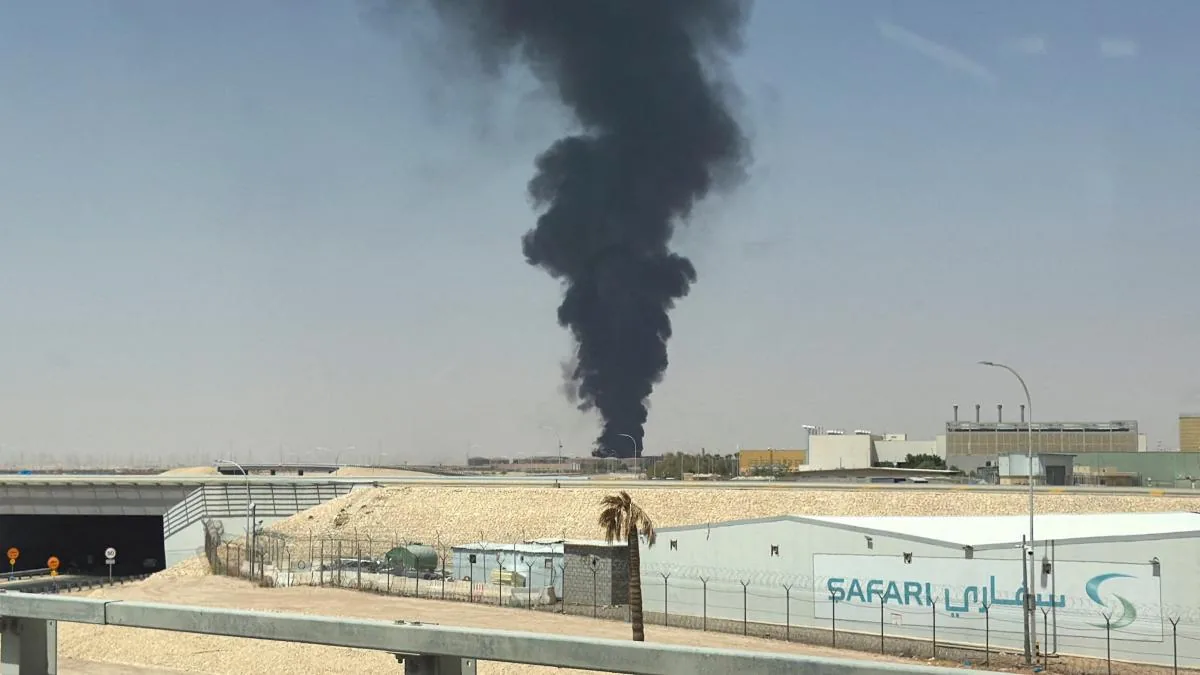
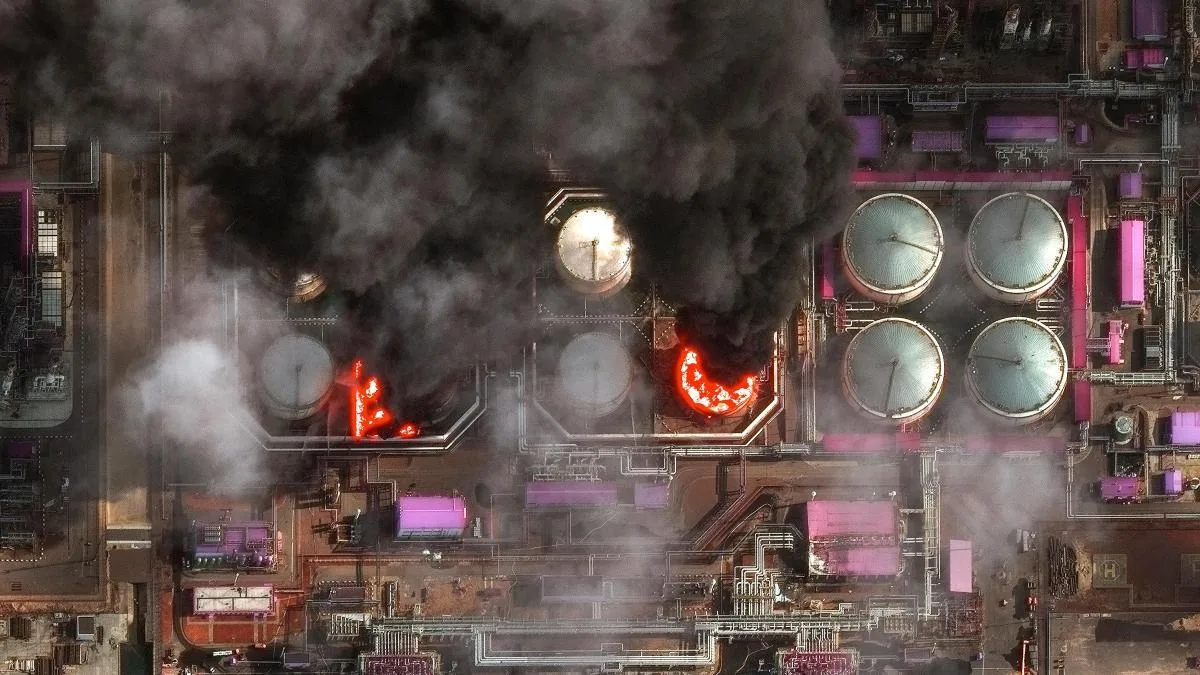
Since Moscow began its military intervention and Russian President Vladimir Putin sent his army to enter the neighboring country, Ukraine regularly attacks Russian infrastructure on Russian territory with drones. These incursions, which have increased in the last year, usually target energy facilities, such as refineries and oil export ports. Kyiv aims in this way to deprive Moscow of the revenues it obtains from its exports, which are essential to finance this war.
The Central Bank of Russia will be able to silence and destroy drones approaching its facilities, and will also have permission to intercept their control signals. The personnel who will decide how to act will be determined by the Russian financial regulator itself.
Precisely this Wednesday, a building of the Central Bank of Russia in the city of Sevastopol, in the annexed Ukrainian peninsula of Crimea, was set on fire after an attack by Kyiv forces, who used drones and missiles, local governor Mikhail Razvozhayev said.
Similar powers to those of the Central Bank are granted in the new law to the Russian Collection Association, which depends on the former, and to Sberbank, the country’s main commercial bank. This credit institution will be able to apply similar measures (from suppressing the electronic signal to destroying the device) in order to protect its facilities. But in its case, it will be the government, according to the Interfax agency, that approves the procedure to make such decisions and which employees will have that authorization.
Read more Alexia Putellas: “Yesterday I felt a huge emptiness and today I am full of love”
The Baltic ports and the “spider web operation,” milestones of the drone war
The measure highlights the damage caused by Ukrainian drones penetrating Russian territory. Kyiv’s capability with this new military weapon has been demonstrated in several of its attacks.
In March and April of this year, its air forces struck several times two Baltic Sea ports, Primorsk and Ust-Luga, important centers for the export of oil and derived products.
More well-known is the already legendary “spider web operation,” an attack carried out in June 2025 against Russian long-range aircraft airbases. Ukrainian drones achieved an unprecedented geographical penetration and reached the Belaya airbase in Eastern Siberia, 4,300 kilometers from Ukraine.
The financial institutions themselves will have to bear the costs of their anti-drone defense, said Anatoly Aksakov, chairman of the Financial Market Commission in the Duma. On Tuesday, Alexander Shojin, head of the Russian Union of Industrialists and Entrepreneurs, told Putin that companies are willing to finance the purchase of heavier weapons and electronic systems for defense against unmanned aircraft.
Other measures have already been taken in the past to stop Ukrainian drones. In November 2025, Putin signed a law that opened the possibility of sending reservists, under contract, to protect the most critical infrastructures of Russia from air attacks. And in April of this year, the regional government of the Leningrad Oblast (where the ports of Primorsk and Ust-Luga are located) announced the formation of combat groups with volunteer reservists to deploy them in this type of facility.
Read more The bridge between growth and well-being «has broken» due to housing and prices, says the CES