In the Manresa crime, Aliança Catalana and Vox – with the acquiescence of Junts – poured the gasoline of hatred: “They are Maghrebi minors.” During a long day, Tuesday, that was the narrative. The first one imposed. The one that spread on social networks, the one that settled in conversations, the one that interpreted the senseless murder of a neighbor from Castellnou del Bages, which occurred on a local holiday Monday.
Read more Nepal raises the death toll to 1,344 as rescue and search operations continue

Only it was not true. The Minister of the Interior, Núria Parlon, had to come out to deny it. That happened on Wednesday. The minors arrested for the fatal stabbing of Carles Vilajosana, 45 years old, “were born in Catalonia,” she said firmly.
By then it was already late, the hoax had already done its work: it had found culprits before facts, very serious in this case, and had placed the origin before the crime.
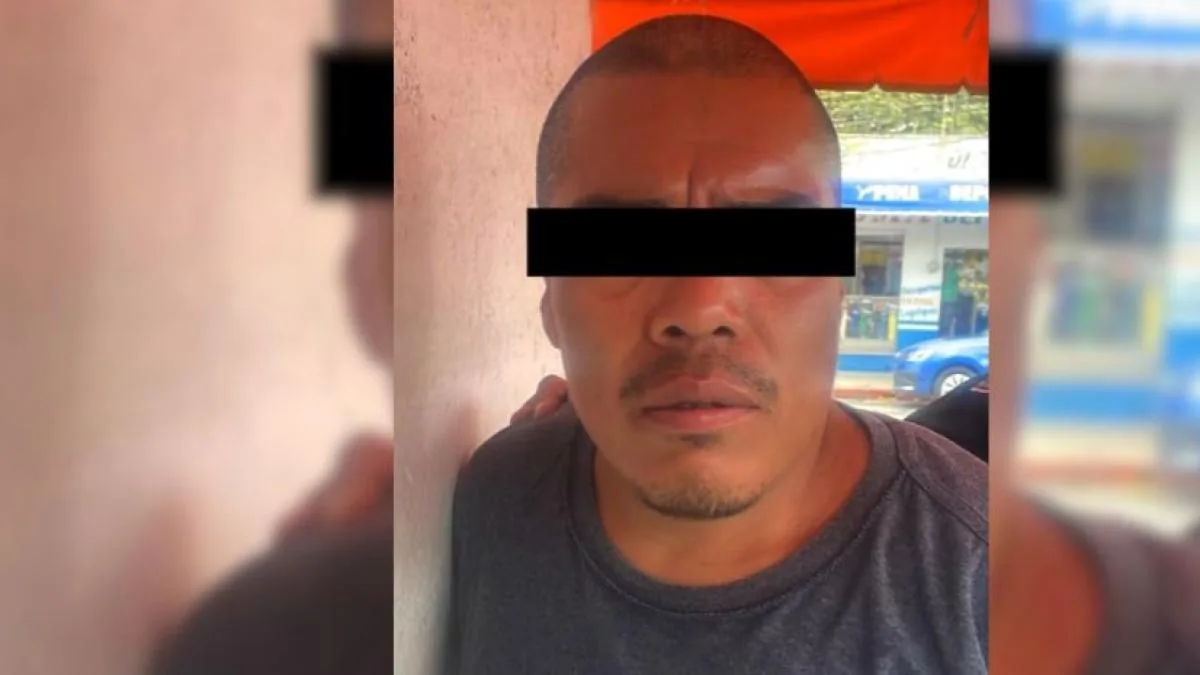
On Thursday, Mayka Navarro provided the context of the event in her report published in this newspaper. The key to everything: the truth and the context. Mayka explained that the minor who supposedly stabbed Carles is 16 years old, is the son of Moroccan parents, and has been living on the street since he was 12, going in and out of centers. He and the other detainee, 15 years old, son of Spanish parents, have a criminal record too long for their young age.
Both born in Manresa.
Should the police inform about the origin of a criminal? A necessary debate
In November last year, the Ertzaintza changed a criterion it had maintained for decades and began to report on the origin of detainees. The Basque Government and the PNV, leading the Ministry of Security, defended that measure at the time in the name of transparency and to combat hoaxes and the spread of biased data, fodder for ultra discourses.
Read more Barça: from the amusement park to the luxury complex that the Assembly will have to decide on
In light of the Manresa case, the decision of the Basques does not seem so unreasonable. I wonder if offering all the information from the start would have helped to deflate the hatred that was already circulating without apparent restraint. Aliança Catalana and Vox wasted no time in igniting the street with the cry “Enough already!”.
Also read
Crimes have no nationality, race, or religion. Behind every racist accusation there is, too often, a socioeconomic issue: poverty and exclusion. And this can only be tackled with a welfare state response that today is very neglected.
These are the two guiding principles.
But what if hiding the nationality of criminals acts like a boomerang and stigmatizes even more? Now age, gender, and place of residence of the offender are reported. Why should origin be the only data that disappears? Institutional silence does not eliminate curiosity nor change the facts: it simply leaves the narrative in the hands of others with many more prejudices and no interest in the context.
With the data in hand, all cards are on the table and the right decisions can begin to be made to straighten out a situation. A mature democracy should speak to its citizens as the adults they are and not hide information from them as if they were children to be protected from reality.
Read more The three keys that will determine if the Seat brand will continue to exist beyond 2030