On August 29, during a meeting with staff and students at a university in Moscow, Vladimir Putin commented that orcas feed on polar bears. “That is the food chain,” said the Russian president. “Children should be taught this, so they understand what kind of world we live in and why we are carrying out the special military operation,” his term for Russia’s war against Ukraine.
Read more Saxony opens the dance
The statement was fanciful: there is no known case of an orca eating a polar bear. But it offered some perspective on Putin’s predatory view of the world. Recently, NATO countries have become increasingly concerned about the direction his thinking might be taking. The Russian army has been practically stuck for years, with tens of thousands of casualties or seriously wounded each month. The war has become an expensive confrontation of drone and missile attacks that, while devastating for Ukraine, are also causing visible damage in Russia. However, Putin shows no signs of backing down. The concern is that he might try to escape what Russians call a tupik (dead end), as he has done before: seeking a new way to escalate the conflict.

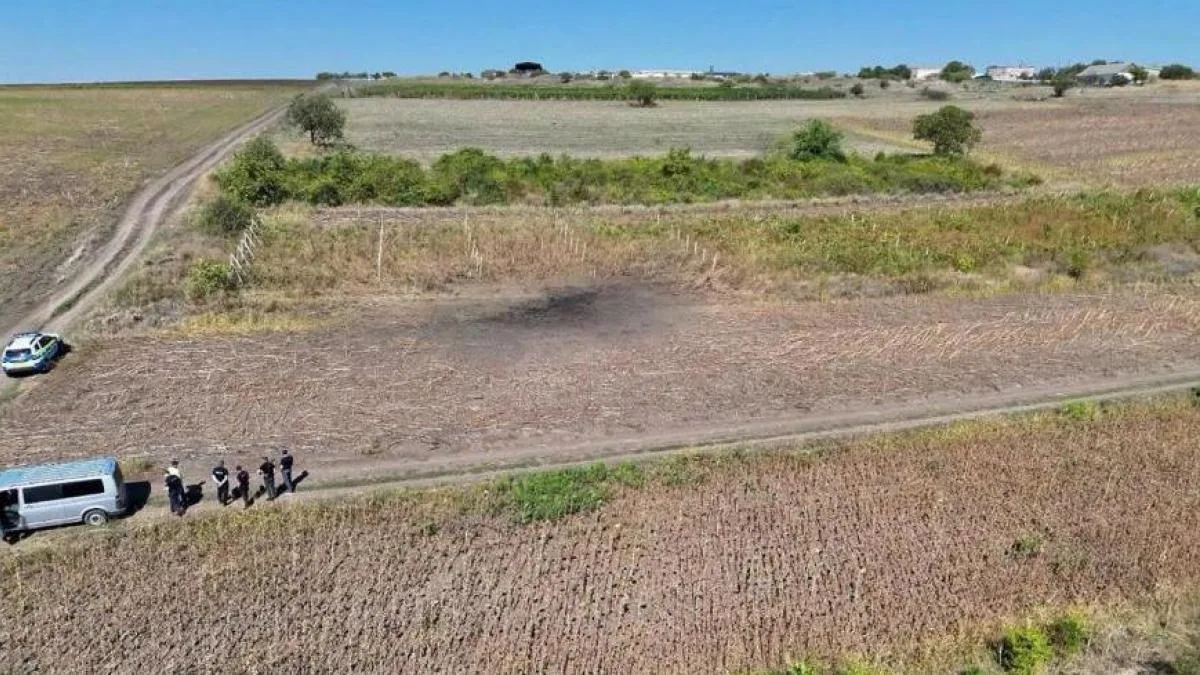
Signs of concern in the West are evident. On August 25, John Ratcliffe, director of the U.S. CIA, unexpectedly flew to Moscow. Versions differ on whether it was to warn Putin not to attack NATO countries or to convey a grim outlook on Russia’s future and try to persuade him to negotiate. Three days later, Finland requested help from Swedish aircraft and ships to monitor its border with Russia against possible incursions. Germany is preparing to openly accuse Russia of a drone attack at Leipzig airport on August 4 and will likely impose new sanctions. On August 20, Romania claimed to have destroyed a Russian naval drone that attacked a drilling platform in its waters. On August 25, Slovakia foiled an arson attack on a drone factory.
A former Putin associate believes he interpreted the CIA director’s visit as a sign of U.S. weakness.
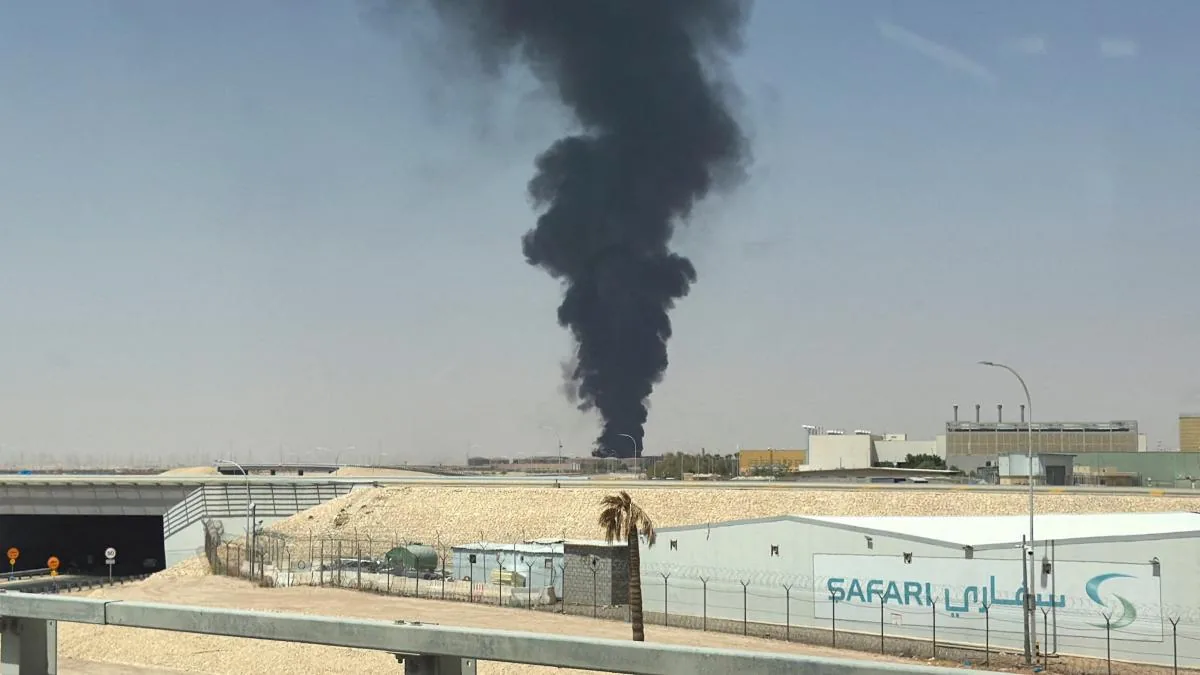
Meanwhile, Putin has broken his long silence on Ukraine’s increasingly successful drone attacks against oil refineries and logistics centers in Russia, including warehouses of Wildberries, the country’s largest online retailer. In a speech on August 22, he accused Ukraine of having opened “Pandora’s box” and promised “retaliation in the most sensitive sectors of your economy.” That same day, during an address to United Russia, the Kremlin’s political party, he rejected any idea of ending the war. “The special military operation continues,” he assured. “We will only advance.”
Sources close to the Kremlin say that after several weeks of reflection during the summer, he seems to have opted to intensify the conflict. In fact, a former Putin associate maintains that he probably interpreted Ratcliffe’s visit as a sign of American weakness. According to this source, that was also the interpretation the president made of Bill Burns’s visit to Moscow in November 2021, the CIA director under Joe Biden, who came to warn him against invading Ukraine. Three months later, he went ahead.
No one can know what goes through Putin’s mind. But his reasons for escalating the war, as with the decision to invade in the first place, are internal. His main goal has always been to preserve his own power and, ultimately, his life.
One of the Kremlin’s concerns is the disappearance of the population’s silent assent to the war. Ukrainian drone attacks on refineries and e-commerce, along with internet restrictions imposed by security services, have shattered the appearance of normality. The Levada Center, an independent pollster, says 57% of Russians describe the situation as “tense”; respondents mention the war, the number of deaths, mobilization, drone attacks, and lack of future prospects. Public trust in television propaganda is falling and young people are posting calls on social media to end the war. Putin’s approval rating is dropping.
Read more The scam of fake tourists asking for money to return home

The mood among the elites is even gloomier. The biggest problem, according to a senior official, is not so much the economy or the lack of military successes, but the time lost to the war: whatever the outcome, almost five years is a failure. The feeling that the tsar is naked is growing, notes another elite member. None of Russia’s economic or political problems is fatal for Putin: he has economic resources and a repressive apparatus that allow him to continue. But perception matters.
Putin can express his goals using the language of geopolitics, but in reality he is guided by the criminal logic of his regime: never show weakness. The Russian system has a high tolerance for violence but does not forgive failure. He surely believes that ending the war without achieving at least his minimum goal, which is to control the entire eastern Donbass region in Ukraine, would endanger his own life. (“They will hang me,” he once confessed to some of his close associates during the war, according to a close source)
Meanwhile, continuing the war in its current form is not a solution. “Scenarios that proceed by pure inertia are disadvantageous for the Kremlin,” says a member of the Russian elite: they simply consume economic resources and wear down political capital.
Also read
All this could make escalation seem attractive. But it is unclear what it would consist of. Russia is likely to intensify its hybrid war and acts of sabotage against Ukraine’s allies, as well as attack supply routes from Europe to Ukraine. Western intelligence agencies fear Russia might attack factories in Europe that produce military material for the Ukrainian war effort. However, they believe Putin does not want a direct military confrontation with NATO.
Inside Ukraine, escalation largely means intensifying actions Russia is already undertaking. On August 30, the Russian Defense Ministry announced that a massive attack on Ukraine’s energy infrastructure was being prepared. However, Ukraine already assumes these attacks are part of Russia’s total offensive to break its resistance this winter. As for the ground war, Russian sources say Putin is determined to send between 300,000 and 400,000 more men to the front. He does not need to announce a new wave of mobilization, as he never suspended his first recruitment order. The new forces are likely to be recruited through coercion by regional governments, so that any political discontent remains localized. Authorities are already testing the new recruitment system in Penza, a region located 750 km southeast of Moscow.
Putin could also intensify repression against alleged “internal enemies,” not because they pose a real threat to his power, but because he needs to appear strong. None of this will solve any of Russia’s problems. Most likely, it will only increase the population’s suffering and contribute to instability, both inside and outside the country.
Read more The PISA fiasco could have been corrected in time
© 2026 The Economist Newspaper Limited. All rights reserved.