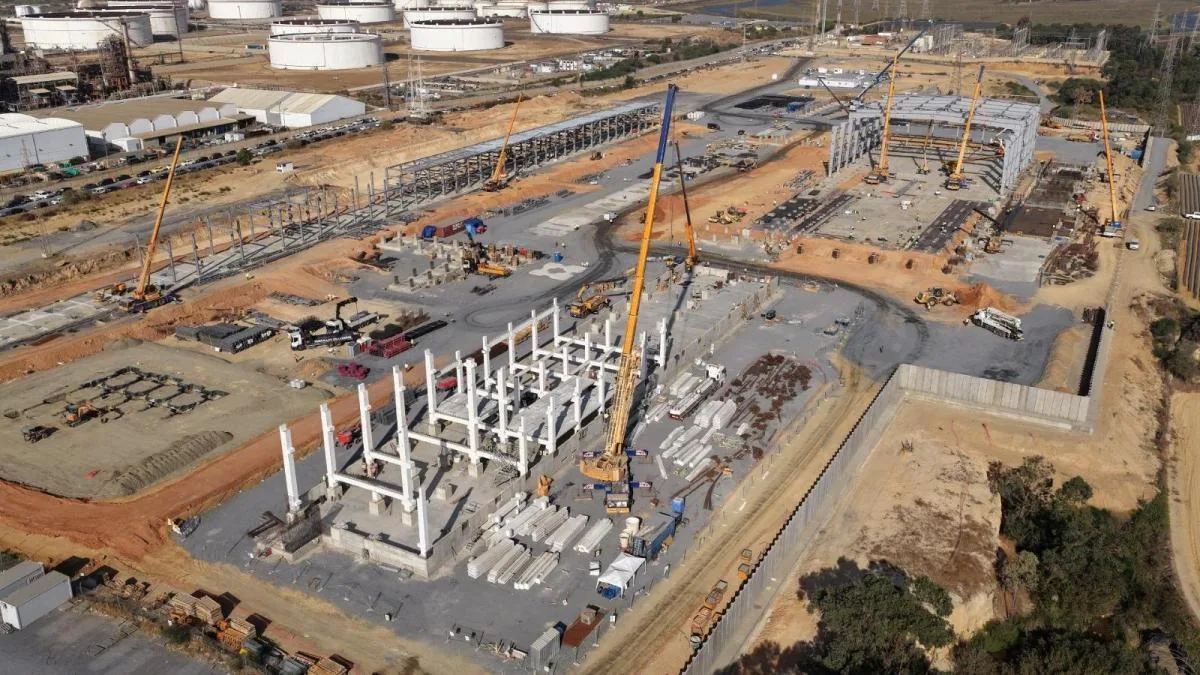
The Catalan company faces a historic opportunity. The increase in defense spending opens the doors to growth in dual-use technologies, those with both civilian and military applications, leveraging the strength and experience of the local industry in other areas. This leap would put it on the defense map, where it has traditionally not had much presence. With notable challenges, stability and returns once inside serve as incentives.
Read more Four men arrested for a kidnapping between Girona and the Franco-Belgian border
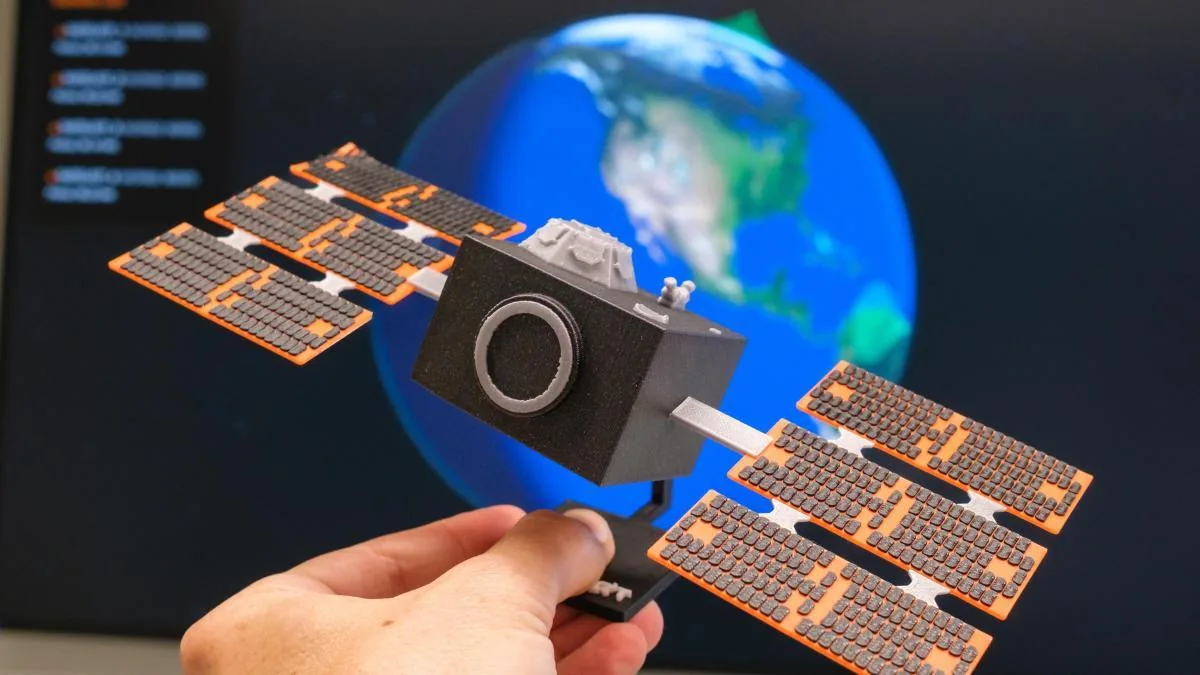
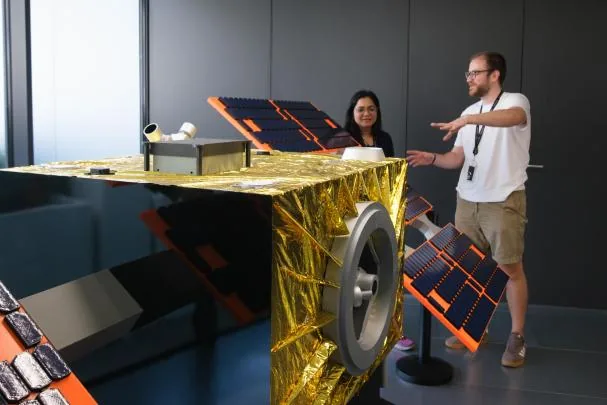
The Barcelona Chamber of Commerce has quantified the potential. It talks about the possibility of adding 1 billion euros of gross value added (GVA) in the segment, 60% more than the current base, and 10,000 jobs (+35%) by 2030 if there is a determined plan. In a report and sector mapping together with Acció, it has identified 812 companies and entities already working in dual uses or that have industrial and technological capabilities to adapt to the defense sector. Sateliot’s satellites, Gutmar’s machining, Ficosa’s components… Also lesser-known SMEs but with great technology.
It is not about transforming factories overnight to make tanks or weapons. The muscle lies in the other activities where the industry is strong. Such as in automotive, machining, railway sector, photonics, or medical devices, among others. For example, among the hundreds of cases cited is a textile specialized in printing that can be oriented towards camouflage, a quantum computing firm with potential to secure communications on the ground, or an emergency body manufacturer that could move to militarized vehicles. “The challenge is big, ambitious, but feasible. It is about reorienting what is already done with civilian use, without losing that base, to leverage the technological and productive capacity that exists for defense,” says Joan Ramon Rovira, head of the studies office at the Chamber. “We have professionals, technological experience, advanced manufacturing, leading knowledge…,” he says.
Currently off the map, the sector generates 1.82 billion euros of value in broad terms
There is much at stake. In the EU sphere, in 2025 about 392 billion euros were spent on defense. In its analysis, the Chamber notes that the starting point is limited, with potential wasted. If the concept of defense is taken in a broad sense – including the military-armament sector, security, aeronautics, and aerospace – Catalonia has about 1.82 billion euros of gross value added (GVA), according to figures from the Spanish Association of Defense, Security, Aeronautics and Space Technology Companies (Tedae). Within it are cybersecurity companies, satellites, drones, software… They employ about 28,500 workers in total, contributing close to 0.5%-0.6% of GDP. It is little, but it is highlighted that it has a strong innovative and value-added component.
Despite this, Catalonia is far behind other defense hubs such as Madrid, the main one with 8.9 billion euros; Andalusia, with 3.02 billion, or the Basque Country, with 2.52 billion. The gap is due to historical reasons. Traditionally, it has been oriented to other sectors and the major driving companies, and their facilities, are located elsewhere. Like Indra, Navantia, Airbus, or Santa Bárbara Sistemas (GDELS-SBS), the so-called primes in the sector, drivers of contracts. As a result, Catalonia is absent from the major defense corridors. It also has no weight in contracts and was left out of the Ministry of Defense’s Special Modernization Programs (PEM) last year. There is a clear lack of positioning. Rather than setting up its own industrial corridor, it is urged to integrate into the existing ones – in Spain and Europe – through the supply chains of the current major players.
Other identified barriers include the difficulty of obtaining defense certifications, which can easily cost around 50,000 euros for a NATO AQAP, the lack of infrastructure for specialized testing – a cycle can cost 100,000 euros if accessible equipment is not available – absent public leadership, or lack of private investment. The majority SME fabric also does not help, as there is little margin for adaptation or to explore alternatives beyond the main business. Moral limits also come to light. Do we really want to enter defense? Do we want to do only defensive technology or also offensive? the report asks.
Capturing spending, entering industrial corridors and supply chains are key to growth
The dual-use approach – civilian and military – could reduce reluctance, it is noted. Josep Palet, partner responsible for Government at Deloitte in Spain, agrees that the industry’s reconversion “represents a great opportunity for Catalonia, which has always been a source and reference for talent and technological innovation.” But the path “is not easy,” he stresses. He assures that it must be based on a clear industrial policy, a commitment to sovereignty, technological accreditation, and long-term public and private agreements that give meaning to investments. It is adapting to changes: if at one time defense was where inventions came from that were later applied in the civilian field – the American military apparatus was a precursor of the internet or GPS – now the private or public sector is the one generating innovation in dual technologies.
Some sectors find it easier than others to reorient. Rovira cites automotive, advanced manufacturing, or space activity. As a glimpse, in land vehicles, for example, expenses of up to 58 billion are estimated for 2030, or in space more than 10 billion in various programs. These are sectors with well-positioned Catalan companies. “Dual technologies is a new concept for many. Companies do not know which routes to follow to convert their capabilities towards defense. Entry barriers are high, but the added value and margins are interesting,” comments Roger Torrent, technical manager of the report and former Minister of Enterprise and Labor. He sees two clear entry paths. The first, with a differential technology that the armed forces do not have. A clear example is Iqua Robotics, a spin-off from the University of Girona, which launched an unmanned underwater vehicle for scientific research that has proven useful in maritime protection tasks, leading to its acquisition by the Spanish Navy.
The second path is that more mature industries offer their productive capacity to defense companies, which are very willing to collaborate. With greater demand “they need to expand their supply chains, there is the possibility of joining as suppliers (tier 1, 2, and 3 in the language),” estimates Torrent. For example, the automotive components manufacturer Ficosa partnering with Indra. Not everything is so physical. Sectors where it stands out such as quantum computing, cybersecurity, video games, and deep tech also give strength in software. In cybersecurity, an activity increase of 250-400 million is estimated.
Read more This is what the election posters of the main parties look like in the elections in Andalusia
The Chamber calls for support measures, such as in spending, certification, and talent promotion
To grow, barriers must be broken down. Looking ahead to 2030, the Chamber proposes a set of measures involving the public and private worlds. Such as a support program for SMEs in the industrial leap, with financing and support to obtain certifications; the creation of business consortia; an office to capture funds from Spanish and European programs; sovereignty in critical defense materials – ballistic steel, semiconductors… –; deployment of infrastructure for testing and validation; integration into industrial and research corridors; the establishment of an aeronautical and naval hub, or the promotion of qualified talent with details such as dual vocational training in defense. Also coordination between institutions, companies, and academic centers. Another highlighted point is the proposal of a public-private fund to support startups with dual technology applications.
It is a deployment to put Catalonia on the map, to make the most of spending programs and scale the industry. It is estimated that with a determined commitment it is possible to add 1 billion euros of added value in defense, to almost 3 billion, and 10,000 jobs, up to nearly 40,000, by 2030. These are indicative targets. “If we were able to capture what is spent on defense by the State and Europe in proportion to our contribution to GDP, 20%, the numbers would work out, because we are far below what corresponds to us,” believes Rovira. The claim is similar to that made by the AeroS cluster – which groups the aeronautical, space, and defense sector – to allocate 20% of defense spending to Catalonia, following its economic weight.
In any case, action must be taken quickly. “The market is structuring now. Not appearing could penalize us for decades,” the report reads. It talks about a “critical opportunity,” limited to 2026-2028. These are three years in which spending and contracting soar. “It will determine whether Catalonia consolidates as a relevant actor in European security or loses the opportunity to other competing ecosystems,” the report states.
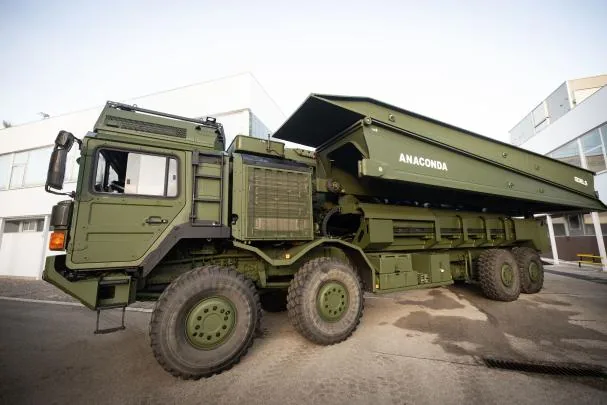
Catalan companies have already been positioning themselves in recent months. Indra, a reference in Spain, has closed or proposed agreements with the technology company Sirt or Ficosa. GDELS-SBS has partnered with the engineering and mechanics firm Gutmar for bridge-launching systems, and is negotiating collaboration with Ficosa. Telefónica also joins the satellite company Sateliot to provide satellite 5G to security and defense. Not all companies are in the same position. There are those already immersed in defense, those with an easy leap, those leading in their field, unrelated to defense, and who can be decisive if they take the step, and those forced to transform due to the crisis in their sector, such as manufacturers of components for combustion cars. Deloitte shares the vision. “There are productive sectors with a tradition and capacity that are especially attractive for innovation in dual technology. Research centers also act as an important innovation lever,” comments Palet.
Automotive and the affordable leap: excess capacity and lack of opportunities
Automotive is one of the sectors with the most capacity to adapt. The defense sector has usually operated until now with limited volumes and manual processes. But with the spending boost, a manufacturer used to producing about 200 vehicles annually can suddenly face an order for 900 units. Josep Nadal, manager of the Catalan Automotive Industry Cluster (CIAC), points out that “automotive can provide automation capacity, with a quality standard already present, and optimize the process.”
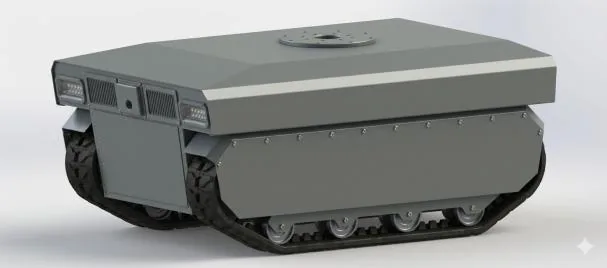
In addition, proprietary technologies can be applied to the dual world. CIAC is part of an initiative, where the Catalan engineering firm CyP is also involved, that has adapted an automated vehicle that moved parts inside factories to move outdoors, with cameras to identify people or animals. “These are capabilities we know well and can bring to defense,” he explains. The motor industry is interested in alliances because with reduced demand and Chinese competition, car and component factories lose volume. “They work with small margins and large volumes. Profitability and survival are at stake, opportunities must be sought,” Nadal reviews.
The venture into defense is not a one-off, but long-term, sources consulted point out. Once inside, stability, commercial relationships, and multi-year contracts are achieved. With these conditions, entry barriers are high, but so are exit barriers: once inside, there is usually no intention to leave. The key question to define is… do we want to make and support the leap?
Shaping the projects
“There is interest, there are companies that definitely want to do it, others that are in internal reflection,” Torrent points out regarding whether many companies are already taking the step. Of the 812 companies identified by the Chamber and Acció study, just over a hundred are already active in the defense sector and about fifty are estimated to have dual technology qualifications. The goal with the proposed plan is to scale up to about 150-200 companies active in the defense sector by 2030, with up to a hundred with dual qualifications. The plan must also serve to have Catalonia recognized institutionally in the defense industrial strategy, to put it on the map. The mobilization of private investment, through seed capital and early rounds, is practically nonexistent today, with the goal of jumping to about 40-60 million euros mobilized during these years. Pending plan execution, steps have already been taken that leave tangible alliances. One of the most notable is that of GDELS-Santa Bárbara Sistemas and Gutmar, which at the end of last year announced a center in Sant Cugat for the manufacture of bridge-launching vehicles. In the sector, alliances are very common, a feasible way for smaller companies to join the sector, although it must be remembered that regulations, and their cost, are a barrier to face.
Read more More sports, fewer tablets: Moreno announces a plan against childhood sedentary lifestyle