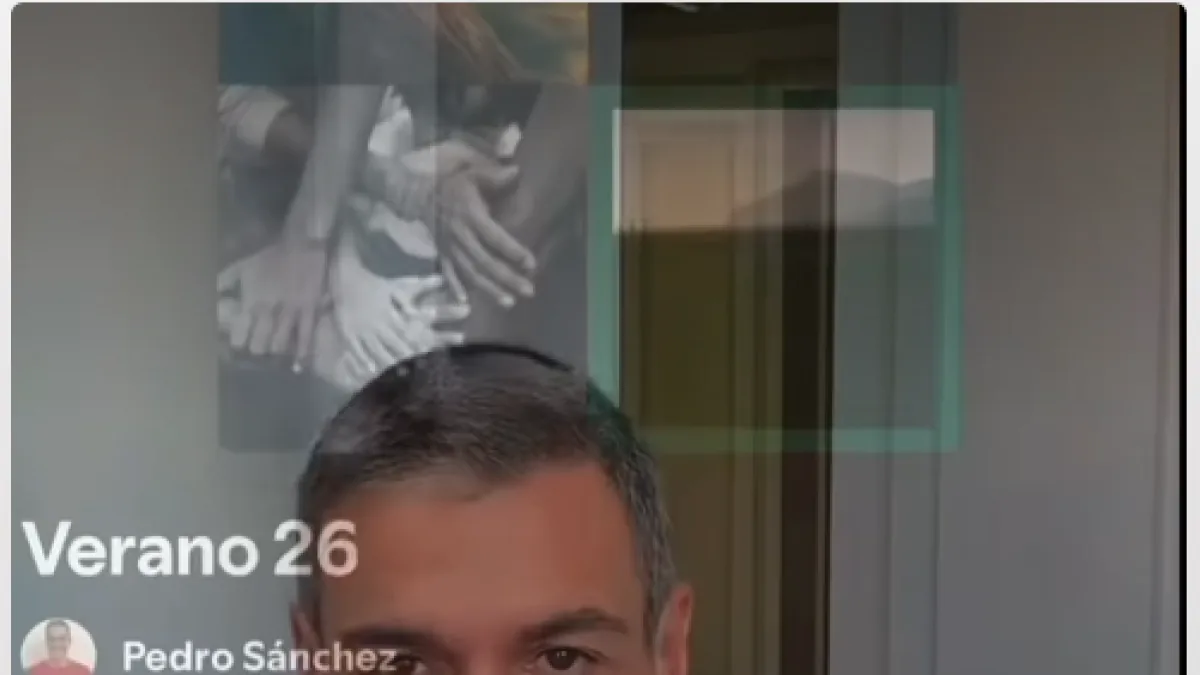
Chance has it that, coinciding with the Ceuta tragedy, President Pedro Sánchez has made a PlayList public as a summer recommendation. Making recommendations (books, music) is part of a strategy that confirms that, like other public figures, Sánchez has succumbed to the addictive offer of social networks. His detractors have jumped at his throat, scandalized by this untimely coincidence. The list includes Catalan artists such as Minibús intergal·làctic or Sílvia Pérez Cruz. PlayLists have been a media genre for years, the evolution of those canned programs to be broadcast during holidays and one of the powerful loudspeakers of the platform that manages this monopoly.
Read more The Government will amend the rule against speculative buying due to unconstitutionality
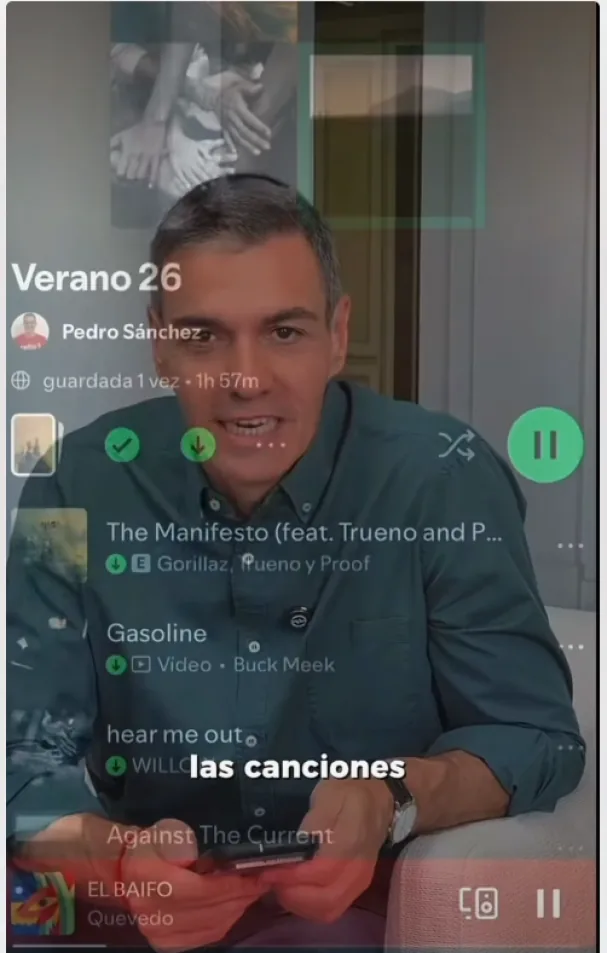
What interest do the songs Sánchez likes have? The same as knowing which books he has read. It is an inconsequential filler that, in this case, outrages due to the clumsiness of the community managers, unable to coordinate with reality. I will not analyze the songs: I had never heard most of them. But the temptation to find out what music great political figures liked is strong. Hitler had a weakness for Wagner’s grandiloquent pan-Germanic style.
Stalin was crazy about Georgian folk songs and a Mozart piano concerto. Mussolini loved jazz, which he considered the music of the future. And Franco? Carmen Sevilla, Juanito Valderrama, and Raphael. They are, of course, politicians with totalitarian biographies. Moving closer to fairer and more democratic realities, President Pasqual Maragall likes classical music, jazz, and sardanas. And President Pere Aragonès also published his PlayList with Joan Dausà, Ginestà, and Dr. Calypso. It must be, I say, an ancestral tradition.
Read more Offensive against the increase in drug sales and consumption in Barcelona
The presence of public figures on social networks also has its risks
When I dismantled my mother’s apartment, I sacrificed dozens of books and records, some with covers written in Russian. I was about to throw away a box of records with Cyrillic inscriptions until, luckily, my brother translated it for me: The songs Lenin liked. I think he ended up keeping it – he knows Russian – and told me that the most relevant piece in that selection was Beethoven’s Appassionata, which, according to legend, Beethoven composed when he already saw that the process of deafness was, like mistakes on social networks, irreversible.
Read more The EU eases tension, but Italy proposes that Brussels lead the relationship with Morocco