Every day that passes, medicine is closer to winning the battle against cancer. Oncology care has undergone an extraordinary transformation over the last decade. Advances in prevention, early diagnosis, genetics, precision medicine, immunotherapy, radiotherapy, and targeted therapies now allow for more effective, more personalized treatments with less impact on patients’ quality of life.
Read more U.S. attacks Iranian Revolutionary Guard in retaliation for the death of two soldiers in Jordan
In the face of an oncological process, the person must be at the center of everything. It is not only about treating cancer but about accompanying a person with cancer. The doctor-patient relationship, accessibility, emotional support, symptom control, and shared decision-making are fundamental elements in this complicated context. They must be cared for.
In the coming years, we will also see a progressive implementation of lung cancer screening in at-risk populations”
Dr. Santiago Viteri
Head of the Oncology Unit at Sanitas CIMA Hospital
The oncology care model at Sanitas CIMA Hospital is based on a comprehensive view of cancer, accompanying the patient from prevention and diagnosis to treatment and disease follow-up, with care focused on the person and not just the disease. Moreover, cancer is such a complex disease that it requires the coordinated participation of multiple specialists: a multidisciplinary approach that allows offering a global view of each patient and designing individualized therapeutic strategies. At Sanitas CIMA, patients are jointly evaluated by professionals from various medical and surgical disciplines: medical oncology, radiation oncology, surgery, radiology, pathology, genetics, and other specialties involved in each case.
The tool that saves lives
Prevention and early diagnosis continue to be the most effective tools to reduce cancer mortality. “Today we know that a significant proportion of cases could be avoided by reducing risk factors and applying evidence-based preventive strategies. Not smoking, reducing alcohol consumption, maintaining a healthy weight, exercising regularly, protecting against solar radiation, vaccinating against human papillomavirus or hepatitis B when indicated, and limiting environmental exposures. And when the tumor has already appeared, detecting it early radically changes the prognosis,” explains Dr. Santiago Viteri, head of the Oncology Unit at Sanitas CIMA Hospital.
Early detection combines three things: recognizing persistent symptoms or abnormal changes, quickly accessing appropriate diagnostic tests, and promptly reaching treatment. “Additionally, screening programs have been shown to reduce mortality in certain tumors, such as breast, colorectal, or cervical cancer. In the coming years, we will also see a progressive implementation of lung cancer screening in at-risk populations, a strategy with potential to diagnose tumors at earlier and potentially curable stages,” the doctor clarifies.
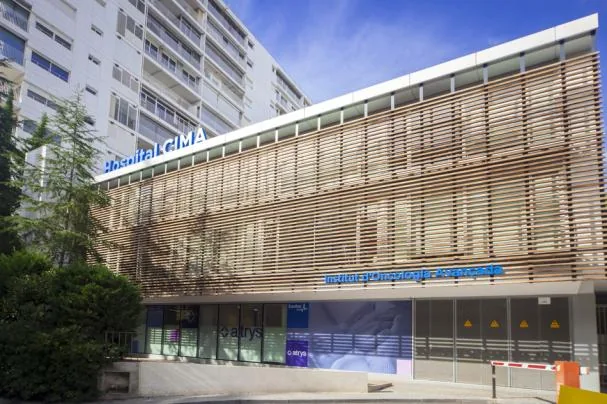
For all these reasons, Sanitas CIMA promotes strategies aimed at identifying risk factors, adopting healthy lifestyle habits, and implementing early detection programs that allow diagnosing the disease in its initial stages, when the chances of cure are greater. Health education and public awareness are fundamental elements to advance towards increasingly preventive and less reactive oncology.
On the other hand, identifying hereditary cancer predisposition syndromes allows establishing personalized prevention and follow-up strategies for both patients and their families. The Genetic Counseling Unit at Sanitas CIMA offers specialized hereditary risk assessment and facilitates access to genetic studies when indicated, enabling the adoption of preventive measures and surveillance programs tailored to each individual situation.
An accurate diagnosis
To select the most appropriate treatment at each stage of a patient’s disease, modern oncology requires in-depth knowledge of the biological characteristics of each tumor. For this, Sanitas CIMA incorporates advanced diagnostic tools that allow analyzing both tumor tissue and biomarkers present in the blood through liquid biopsy techniques.
“Liquid biopsy consists of searching for tumor information in a blood sample or, in certain cases, other biological fluids. We do not look for “cancer” generically, but specific biomarkers that may have diagnostic, prognostic, or therapeutic value,” explains the head of the Oncology Unit. “It is a key tool of precision medicine. It allows us to identify specific molecular alterations that can determine which treatment is most likely to work for each patient. It can also help us detect resistance mechanisms that appear during disease progression and require us to adapt the therapeutic strategy,” he adds.
Read more Madrid climbs in the quality of life ranking and Barcelona stagnates
Thanks to these advances, more and more patients can benefit from targeted therapies designed to act on specific molecular alterations responsible for tumor development and growth. Alongside them, immunotherapy is part of a new generation of increasingly personalized and effective treatments. The latter has been one of the greatest advances in modern oncology and has changed the prognosis of numerous cancer types, as it enhances the immune system’s ability to recognize and fight tumor cells.
Advanced treatments
“In some patients, we have gone from considering certain tumors as rapidly progressing diseases to achieving durable responses and prolonged survivals over years. Although not all patients benefit equally, immunotherapy has changed the natural history of several cancer types. Additionally, we are witnessing a new generation of immunological treatments that include therapeutic vaccines, cell therapies, and increasingly sophisticated combinations, which will likely further expand their impact in the coming years,” explains Dr. Viteri.
Sanitas CIMA Hospital designs individualized treatment plans
Technological advances have also transformed radiotherapy treatment. Current techniques allow administering increasingly precise treatments, concentrating the dose on the tumor and minimizing irradiation of surrounding healthy tissues. “The important message is that radiotherapy cures in many scenarios, allows organ and function preservation, and is increasingly integrated with surgery, chemotherapy, hormone therapy, and immunotherapy. Moreover, the incorporation of techniques such as stereotactic radiotherapy allows delivering very high doses with extraordinary precision in few sessions, achieving excellent results both in localized tumors and certain metastatic disease situations,” explains the doctor.
Modern oncology goes far beyond treating a specific type of cancer. That is why at Sanitas CIMA Hospital they understand that each patient is unique and that therapeutic decisions must be adapted both to the biological characteristics of the disease and to the individual circumstances of each person. The hospital designs individualized treatment plans.
“Current oncology is moving towards increasingly personalized medicine. We no longer treat just a type of cancer, but a specific person, taking into account the molecular characteristics of their tumor, their health status, preferences, and goals. Technology, research, and the humanization of care must advance together,” emphasizes Viteri.
Two allies against cancer
Scientific evidence has shown that physical exercise and proper nutrition play a fundamental role before, during, and after cancer treatment. Modern oncology care must consider not only the specific tumor treatment but also interventions aimed at optimizing the patient’s general condition and promoting healthy lifestyle habits.
“The goal is not only to live longer but also to live better, preserve functionality, and maintain quality of life throughout the process. For this reason, we increasingly work with multidisciplinary teams that include nutritionists, physiotherapists, exercise specialists, and psycho-oncology support professionals, capable of adapting recommendations to the specific needs of each patient,” assures the head of the Oncology Unit at Sanitas CIMA Hospital.
Read more Unprecedented deployment in Aiguamúrcia to stop the arsonist