An Ebola outbreak that threatens to become one of the largest in history has already killed 65 people and affected 246 suspected cases, the Africa Centers for Disease Control and Prevention (CDC) reported today.
The outbreak has been declared in the Ituri province, in the northeast of the country, which will make its control difficult. “It is a very densely populated area with a very mobile population,” said Mohamed Yakub Janabi, WHO Regional Director for Africa, at a press conference. In addition, “it is 1,700 kilometers from Kinshasa [the capital of the country],” which represents “a logistical limitation,” he added.
There is particular concern because suspected cases have been reported in the city of Bunia, the provincial capital, which has 330,000 inhabitants and a density of 5,700 people per square kilometer.
The province borders South Sudan and Uganda and is rich in gold mines, which causes great mobility linked to mining activity and raises fears that the outbreak could spread to neighboring countries.
Initial analyses of the virus causing the outbreak “suggest a non-Zaire ebolavirus,” Africa CDC reported. If this result is confirmed, it will pose an additional difficulty in controlling the outbreak, since the only drugs and vaccines available against Ebola are effective for the Zaire species virus. There are no treatments or vaccines for Sudan ebolavirus, nor for other viruses that cause a clinically identical hemorrhagic fever.
The symptoms of the disease include fever, vomiting, diarrhea, muscle pain, and in many cases, internal and external bleeding due to blood vessel deterioration. The mortality rate in previous outbreaks has been around 50% for Sudan ebolavirus.
Transmission between people occurs through contact with the blood or bodily fluids of an infected person. In other outbreaks, some transmissions have occurred when preparing the bodies of the deceased for funerals.
The 246 suspected cases and 65 deaths recorded so far make the current outbreak the largest since the 2018 epidemic, when 3,481 cases and 2,299 deaths were recorded, also in northeastern DR Congo.
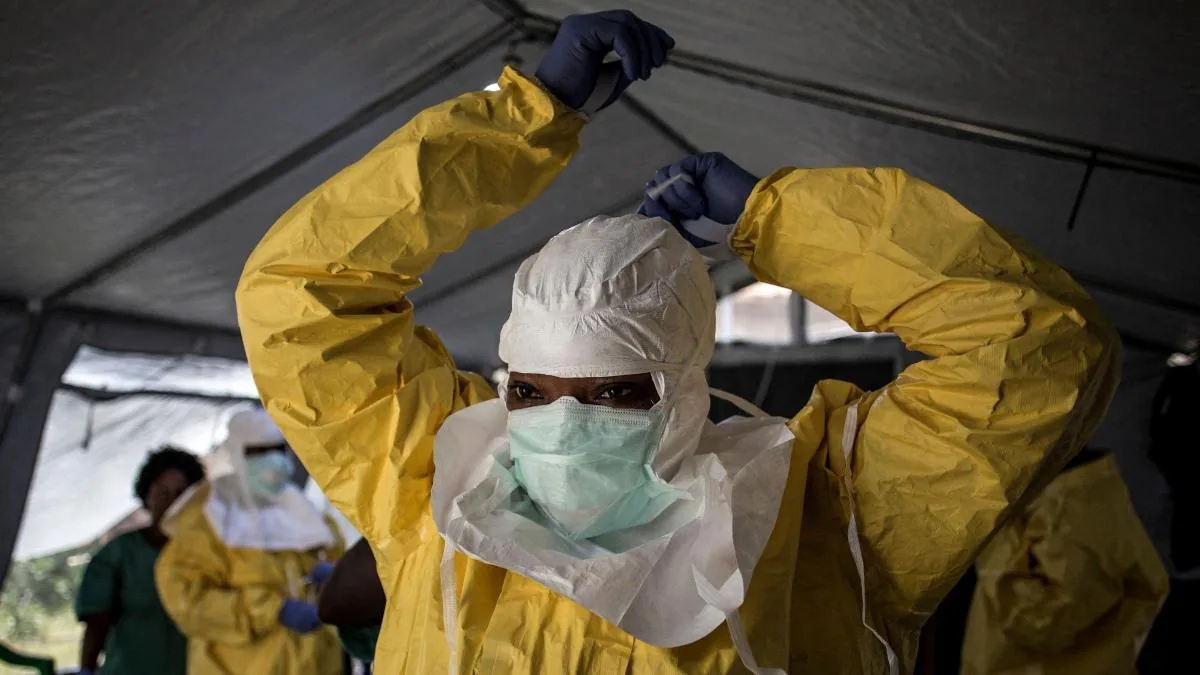
In the current outbreak, deaths began to increase in mid-April, France Presse reports citing a health source from Ituri province. According to this source, patients are being isolated in health centers but healthcare personnel lack materials to protect themselves or to properly care for patients.
The Africa CDC center has convened an urgent meeting with the governments of DR Congo, Uganda, and South Sudan, as well as with United Nations agencies, to coordinate the response to the outbreak. The WHO has mobilized $500,000 today to send aid, its Director-General Tedros Adhanom Ghebreyesus said at a press conference.