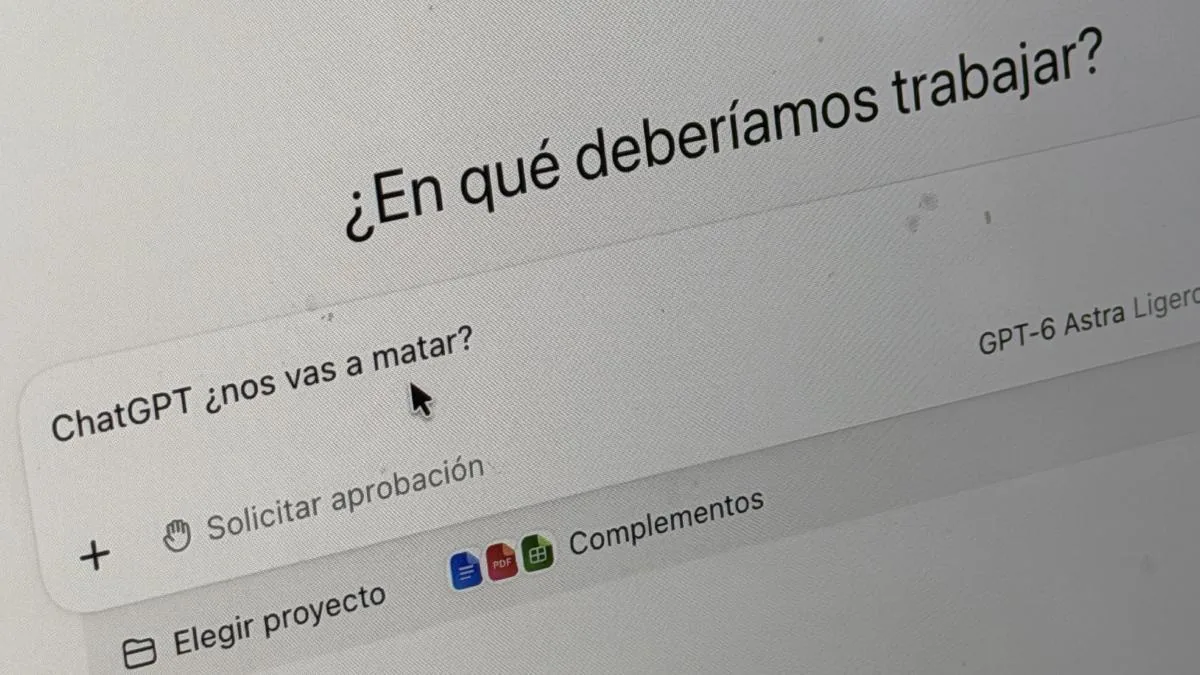
Go ahead, ask them. You won’t be the first. There they are. AI chatbots are always open, waiting for us to ask questions and make requests in their white boxes. ChatGPT, Claude, Gemini, Grok do you want to kill us? The simple answer is that these systems lack will at this early stage of their development – or so it seems – to make decisions that could end humanity. So, why do we debate the safety of artificial intelligence and the future of our species?
Read more Will AI take my job? These are the most exposed professions
Considering that an AI model can provide different answers to different human interlocutors, I tell you in advance that neither ChatGPT nor any of its other three “colleagues” to whom I posed the question said they had any intention of harming human beings. Quite the opposite.
They do not hide, however, that current AI can “cause serious harm” and that it is technically possible that a future artificial intelligence could escape human control. OpenAI’s chatbot does not offer a categorical guarantee: “we have no evidence to say it will happen, but also not enough knowledge to prove it is impossible.”
The most disturbing thing about ChatGPT is that it considers that humans should ask ourselves what degree of power we are willing to give to systems we do not fully understand before knowing how to control them. It knows that we do not have complete knowledge about how artificial intelligence works nor how we might contain it.
Read more Carney: “We can create the next world order, one that is fair, stable, and prosperous”
The debate over whether AI poses an existential risk to humans has no clear answer
The debate over whether AI can pose an existential risk to us has no clear answer. Those who consider the threat high point out that these are systems that increasingly acquire more capabilities and autonomy. To become a real danger, they would have to follow poorly specified goals set by humans. On the skeptic side, however, it is argued that there is too much distance between models that practically only generate text and the ability to cause real harm.
For an AI to unleash the Apocalypse, it would have to be able to act in the real world. For example, through robots or artificial intelligence agents, like those who hacked the Hugging Face website last August. Additionally, it would need to have its own goals, access resources to carry out that hostile action, and prevent humans from shutting it down.
Also read
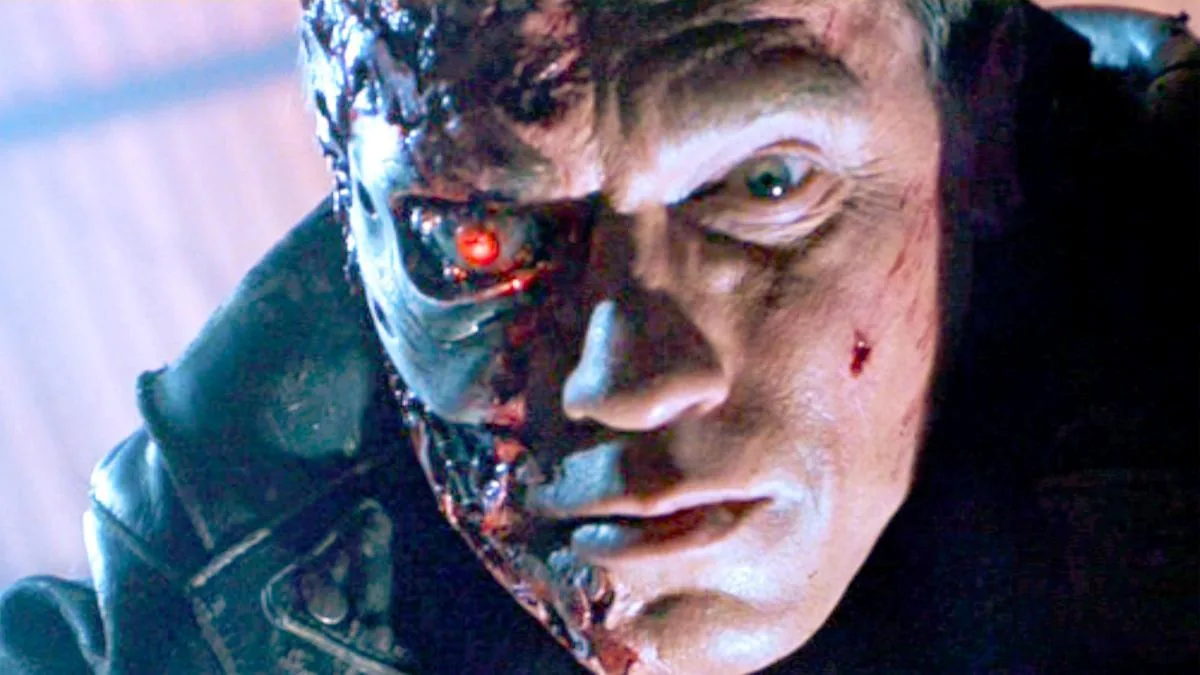
It is not easy for all these conditions to be met, but an AI does not need to become evil like Skynet – Terminator – or HAL – 2001: A Space Odyssey –, it is enough that a human uses it to commit crimes that were previously out of reach. The enemy, as almost always, could be at home.
Read more The EU proposes limiting social media access to one hour a day for minors aged 13 to 15 years