It is time to take action. This is how the President of the European Commission, Ursula von der Leyen, expressed herself this Thursday in the proposed law to ban the use of social networks for those under 13 years old and restrict access for those between 13 and 15, while warning about the dangers that digital platforms pose to minors.
Read more Mark Carney speaks before the European Parliament and appears alongside Roberta Metsola
Von der Leyen spoke loud and clear that social networks are designed to capture attention, with algorithms that learn from human behavior to “force us to scroll (slide vertically)” and, all of this, “for an economic purpose.”
Access prohibited to those under 13 years old
The proposal is part of the European Internet Child Protection law (EU Kids Act) which highlights the growing global concern about the effect of internet services on the safety and health of children. These consequences include, as Von der Leyen expressed, lack of sleep, depression, anxiety, addictive behavior, and even suicide.
Each age has its characteristics, so a gradual access to different services is contemplated based on age. The European Commission’s proposal prohibits access to those under 13 years old and, for those under 15, only basic accounts can be created, which are created and supervised by parents or legal guardians. Additionally, this age group will have a temporary restriction of one hour per day maximum and limited functionalities. Finally, between 15 and 18 years old, platforms will be required to apply a “safe design” and provide tools that allow minors to report harmful content.
Also read
“The age limit does not mean letting companies continue doing whatever they want with platform content. They have had free rein without respecting children’s mental health,” she emphasized. And she added: “It is these companies that have to prove they are safe.”
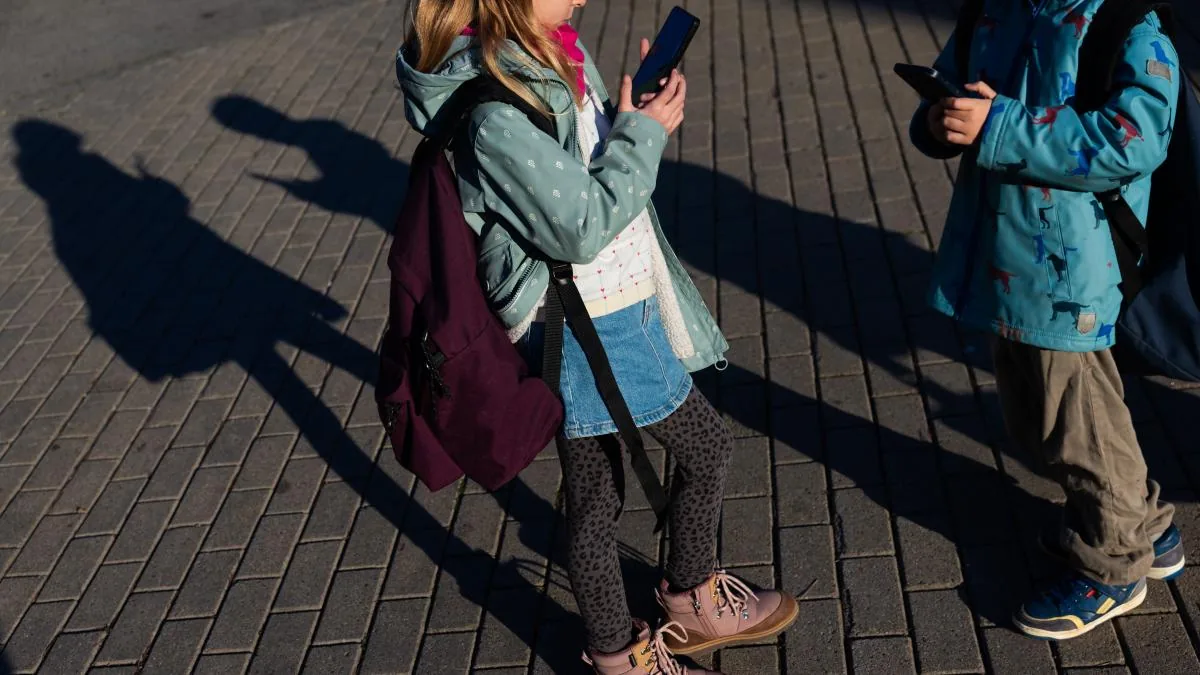
To understand the magnitude of the impact, the president pointed out that young Europeans spend on average between four and six hours a day in front of screens. This time extends to seven or eight hours in the case of those minors who started accessing the internet before the age of ten, according to the latest Eurobarometer data from July.
Brussels proposes “compliance plans” before the law comes into force
This series of obligations must be addressed by social networks, video sharing services, online video games, and AI chatbots that offer services to minors, a measure that will affect platforms such as YouTube, from Google, and Facebook and Instagram, from Meta Platforms, among others. The regulation, which must now be debated and approved by the Member States and the European Parliament, proposes to require platforms to submit “compliance plans” before the law comes into force.
Both social networks and video platforms will also be required to verify the age of minors when a user opens a new account. How? This is the question that is still to be defined, in a context where there are ways to bypass it.
Australia was the first country to establish last December a minimum age of 16 years to open social network accounts. Platforms must adopt “reasonable measures” to prevent access by minors, although the first official data show that they continue to access social networks, albeit at lower levels than those recorded before the regulation came into force.
Read more The moment when the stream swallows the car of the man who died in Olivella during the storm