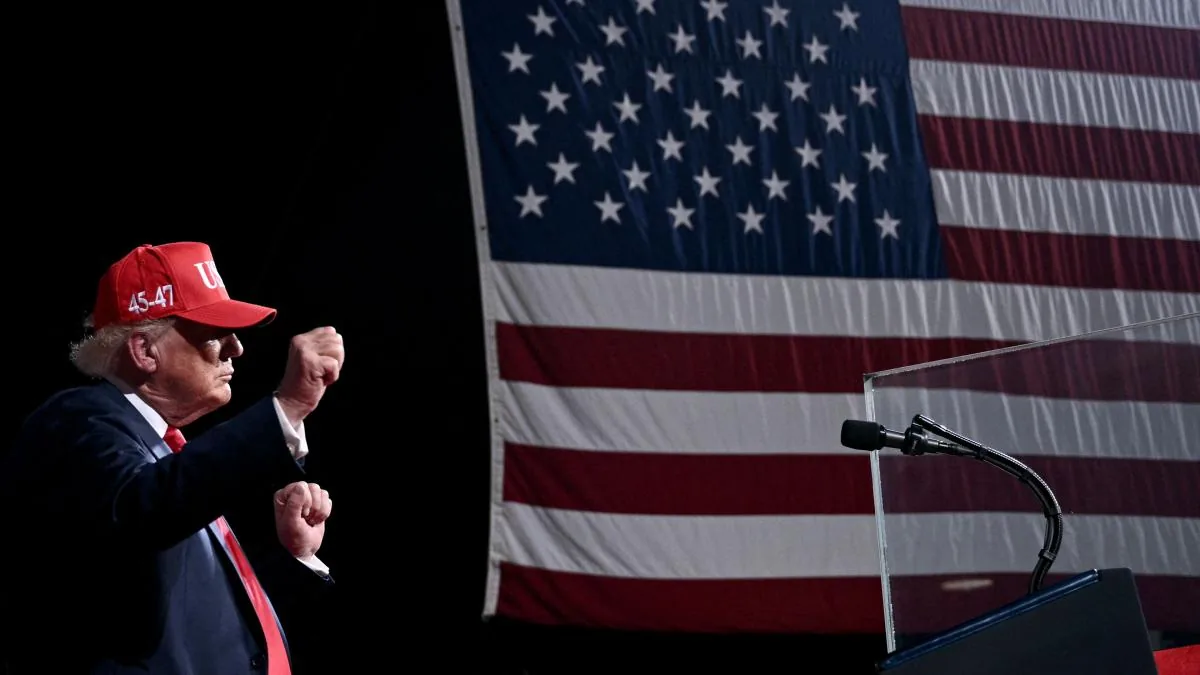
The President of the United States, Donald Trump, has reacted to the recent rapprochement between the European Union and Canada by resorting to his style manual: with the ambiguous threat of imposing “very significant tariffs or ceasing to trade” with the economic bloc of the Old Continent. Responding to questions from the press shortly before his rally in North Carolina, the president described the proposal to make his neighboring country the first “associated member” of the EU as “ridiculous” and a “hostile act” towards the U.S.
Read more València and the DANA area return to normality after a night of nightmare
Trump’s statements came after the President of the European Commission, Ursula von der Leyen, publicly opened the door for Canada to become an associated state, a category that does not formally exist in the EU treaties. Any such measure, which has been negotiated privately for months, would first need to be ratified by the member states.
Also read
If they do, they will test Trump’s responsiveness, who often uses threats as one of his main negotiation tools. If the president follows through, he will break the 15% tariff limit agreed last year between Washington and Brussels, and will further increase the high rates against Canada, which faces tariffs of 50% on some specific exports such as aluminum and 25% on automobiles and steel, among others.
Von der Leyen said during her annual speech on the state of the European Union in Strasbourg that she wants to take the relationship with Canada “to the highest possible level.” The Prime Minister of Canada, Mark Carney, attended the speech and assured that Ottawa is interested in establishing a “unique alliance in security and economy” with Europe, which in no case would imply full membership in the EU bloc.
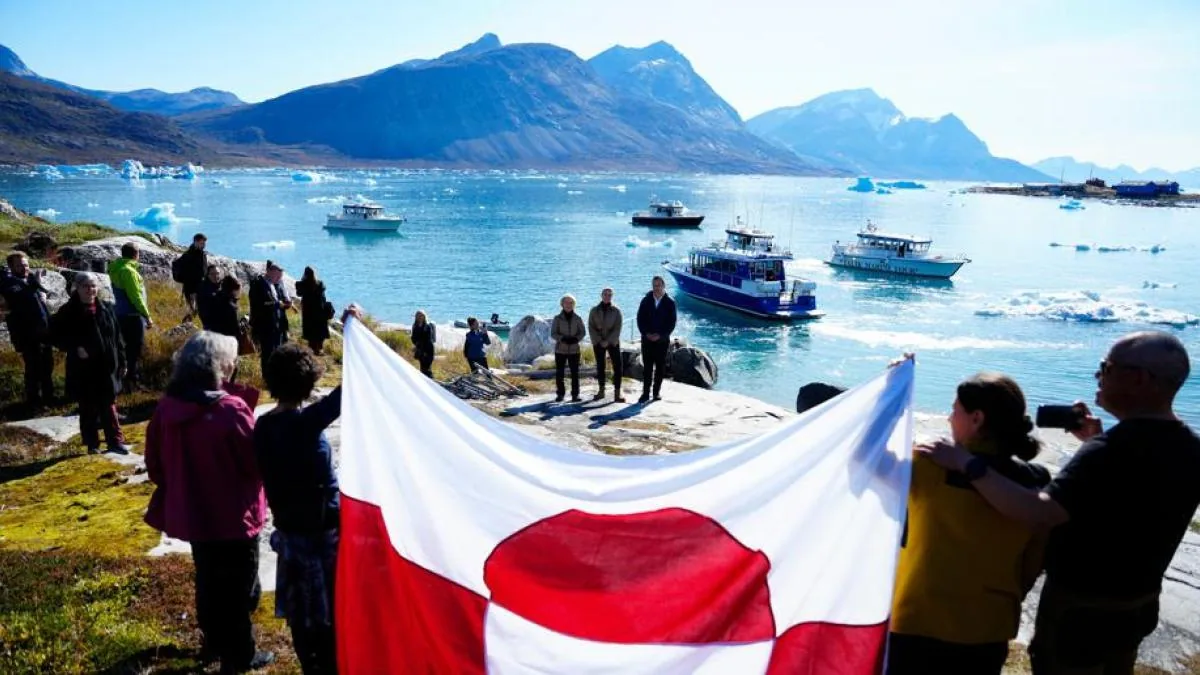
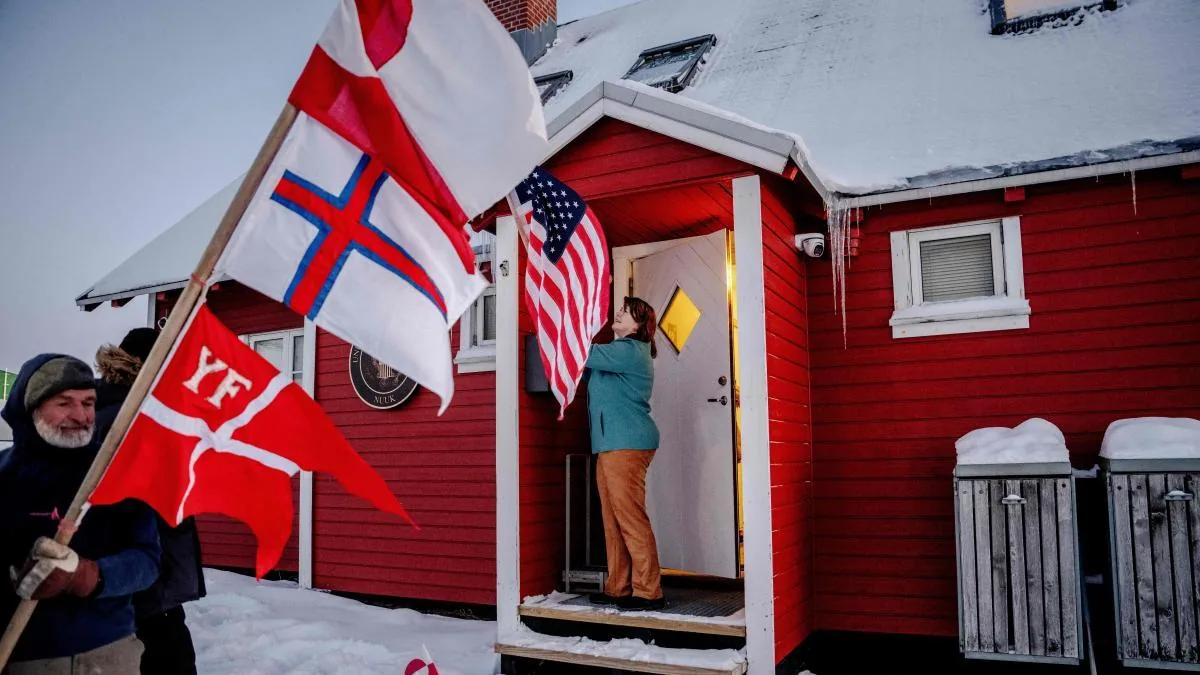
In his first year and a half in office, Trump has raised tariffs on both Canada and the EU and has repeatedly criticized his traditional allies for having “blackmailed” the country with their trade surplus, for not investing enough in defense within NATO, for not supporting him in his unpopular war in Iran, or for allowing a “migratory invasion” that threatens the “extinction” of Western civilization. Additionally, he has threatened to annex Canada and Greenland, which belongs to Denmark, an EU member state.
Read more It’s just a few drops!
Washington agreed last year on 15% tariffs with Brussels and has escalated the trade war with Ottawa with rates up to 50%
In response to these isolationist and expansionist attitudes, the allies’ response has been to strengthen their relationship as hostility and distrust towards the U.S. increased. The Canadian Prime Minister, Carney, who will give his own speech before the plenary of the European Parliament this Thursday, has been during this time the Western leader, along with the Spaniard Pedro Sánchez, who has most raised the tone against the U.S. president.
During the Davos forum earlier this year, he called on “middle powers,” such as the EU, to join forces in the face of the abandonment of the multilateral order and the so-called “rules-based world.” In the most applauded speech of the summit, he warned of the “breakdown of the world order, the end of a pleasant fiction, and the beginning of a harsh reality, in which the geopolitics of great powers is not subject to limits or restrictions.”
“Middle powers are not powerless. We have the capacity to build a new order that incorporates our values, such as respect for human rights, sustainable development, solidarity, sovereignty, and the territorial integrity of different states.” And he concluded: “Middle powers must act together, because if we are not at the table, we are on the menu.” With the latest moves, both Canada and the EU are beginning to take action.
Read more The lobbies will remain opaque