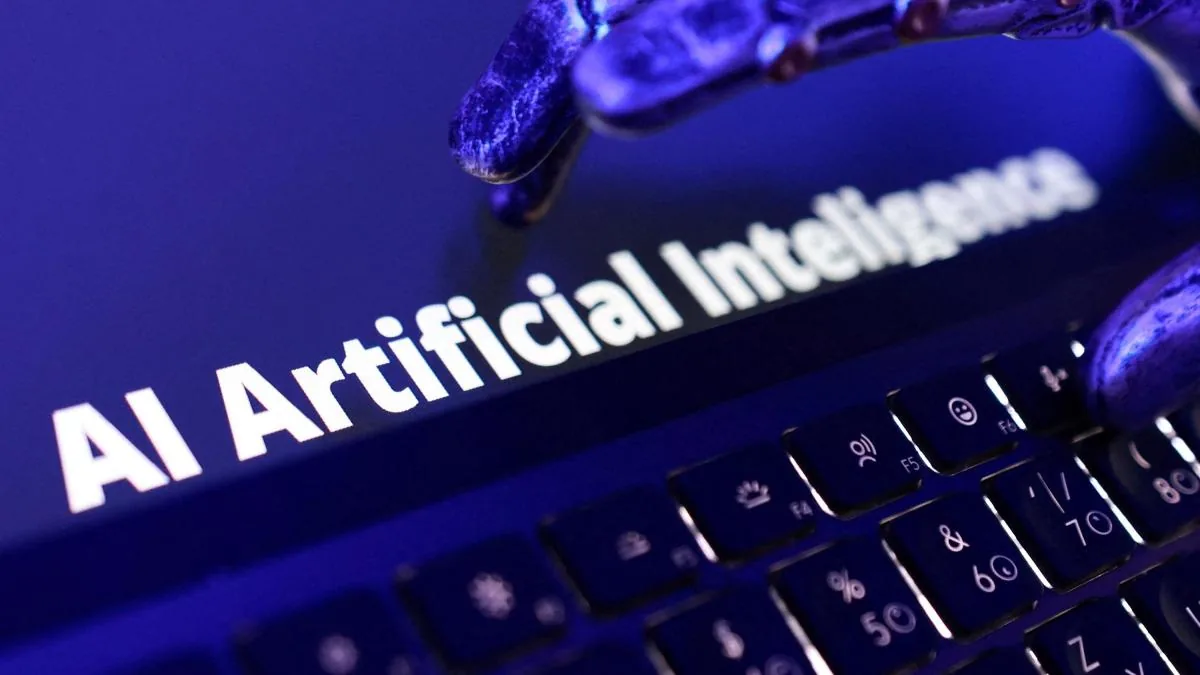






Concern spreads like an oil stain. Wherever you go, anywhere, the conversation arises due to the apocalyptic fear of artificial intelligence (AI), something that seems increasingly dangerous, to the point that the champions of this technology industry have sounded the alarms and called for its advancement to be stopped.
Read more The sheep and goats of Vilamòs that help Endesa protect the forest and prevent fires
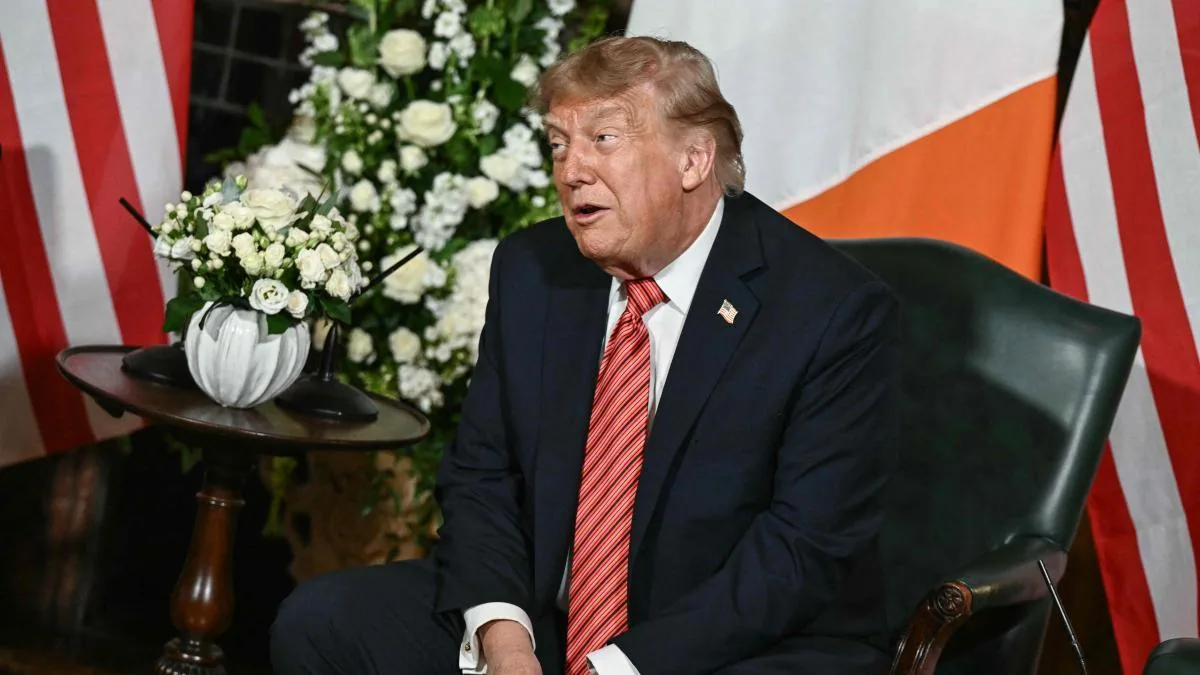
However, there is one person, with the power to help stop it, who appears completely immune to that risk. That is Donald Trump, who at 80 years old gives the impression that he cares little or nothing about what kind of world he will leave to his grandchildren. So this Monday he responded to all those warning of the danger by spreading from his social network that he himself constitutes a “sufficient protective barrier” against uncontrolled AI and stated that any attempt to limit this technology is part of a “sick conspiracy.”
“The only control or protective barrier that AI needs is a strong and intelligent president (with a high IQ!), and the United States has more than enough,” Trump posted on his platform.
The president specifically stated that his Administration has already prevented the artificial intelligence company Anthropic from “doing bad things, or potentially bad things and we will continue to do so,” and lashed out at its CEO, Dario Amodei, because he is someone who “now pretends to be a perfect little angel.”
The quarrels with Amodei, who on Saturday called in an essay for slowing down AI improvements or it would take control of the internet in a few months, have been going on for a long time. The CEO of Anthropic was punished by the Trump government because he prevented the Department of Defense from using his tool Claude in war operations or for mass surveillance of Americans.
Trump thus rejected the requests made this weekend by technology leaders from Anthropic, OpenAI, Microsoft, SpaceX, and other companies to establish greater AI regulation in order to ensure it develops safely, address legal liability issues, and preserve national security.
Days earlier, an Anthropic researcher, Jacob Coxon, resigned and issued a warning that this technology could “end all of us before the decade is over,” while accusing both OpenAI, where he previously worked, and Anthropic of “playing with our lives.”
Following that alert came Amodei’s warning on Saturday. Other tech executives, including OpenAI’s top executive, Sam Altman, and SpaceX CEO Elon Musk, emphasized that they agreed with calls to slow down the development of this technology.
The Trump administration generally promotes the rapid growth of the industry and the development of controversial data centers in the U.S., arguing that beating China in the race for AI dominance is an existential issue.
Read more Lamine Yamal: “This year I deserve the Ballon d’Or”
In his Monday post, Trump stated that the main AI companies are already sufficiently controlled. “We already have enormous criminal and regulatory power over these companies.” At that moment he added that “there is a sick conspiracy against AI and data centers, and the only one happy about it is China.”
Polls in the United States show that a large majority opposes these data centers and even leaders as pro-Trump as Greg Abbott, governor of Texas, advocate for a moratorium because he fears a disaster at the polls in the midterm elections next November.
“Whoever wins AI, wins. We are ahead of China and everyone else, and we will continue to be. Conspiracy theorists, traitors to the homeland, traitors and leakers, beware,” Trump emphasized on his social network.
The White House AI official, David Sacks, also rejected the growing fear of AI. In a post on X on Saturday, he wrote that tech giants should “go ahead and set the pace of the technological frontier themselves.”
“Stop pretending that the motivation to slow development is purely altruistic,” he argued. “They face huge exposure to product liability lawsuits if their products enable a truly harmful cyberattack. The market already penalizes models that behave unpredictably or unauthorized,” he reiterated.
And he clarified that it would be very unlikely that China would join a global agreement to regulate this technology.
Any attempt by Congress to regulate AI seems very unlikely before the legislative elections on November 3, since members of the House of Representatives plan to leave Washington on Thursday and remain in their respective districts until October. Democratic leaders in that chamber have called for that legislative recess to be suspended to approve urgent regulation.
Read more Hundreds of Italian teachers give up permanent positions due to housing costs