The “yes” leads the provisional count in the Icelandic referendum on the resumption of accession negotiations with the European Union (EU) by nearly two points, with around 60% of the votes counted. According to the partial count, 50.9% of voters would be in favor of resuming negotiations, compared to 49.1% who oppose it.
Read more Take geography!
The result, with 129,351 votes counted, places the “no” as the majority option in the three constituencies of rural areas and the “yes” in the two that divide Reykjavik. In the southwest constituency – the most populated and corresponding to the populations of the capital area – the “no” now has a slight advantage, whereas in the first count both options were tied. Around 65% of the 273,000 Icelanders called to the polls reside in these last three constituencies.
Small and dispersed population
No conclusive results until noon

While the count has already finished in the Reykjavik North constituency, it is still ongoing in the other five, so the result could still change, apart from the fact that early votes remain to be counted, which will be the last and represent around 23% of registered voters. Provisional turnout data pointed to figures similar to or slightly lower than those of the 2024 legislative elections, in which it reached 80%.
Polls from the last week indicated a tie or gave a slight advantage to the “yes,” although two surveys released the day before offered differing results: one from Gallup, a “no” victory by more than two points; another from Maskína, a “yes” by eight tenths.
Icelanders were able to vote between 09:00 and 22:00 GMT yesterday, in a day that passed without incidents. In case of a “yes” win, Iceland would resume negotiations with Brussels and another new referendum would have to be held once a hypothetical agreement is closed.
Iceland applied for membership in 2009 with the economic crisis shaking the country in the background, but suspended them four years later amid an adverse climate due to internal divisions, the euro crisis, and conflict with several EU countries over compensation to foreign savers due to the collapse of the Icesave bank.
Read more Start of the political course: from the fatigue of Ceuta to the return of Puigdemont

In 2015, the then conservative government informed Brussels that Iceland was no longer a candidate, but the European Commission (EC) considers that a formal withdrawal of the candidacy never took place. The three-party coalition led by social democrat Kristrún Frostadóttir, governing since 2024, included in its pact the call for a referendum to decide whether to continue the process, arguing that there was never a consultation.
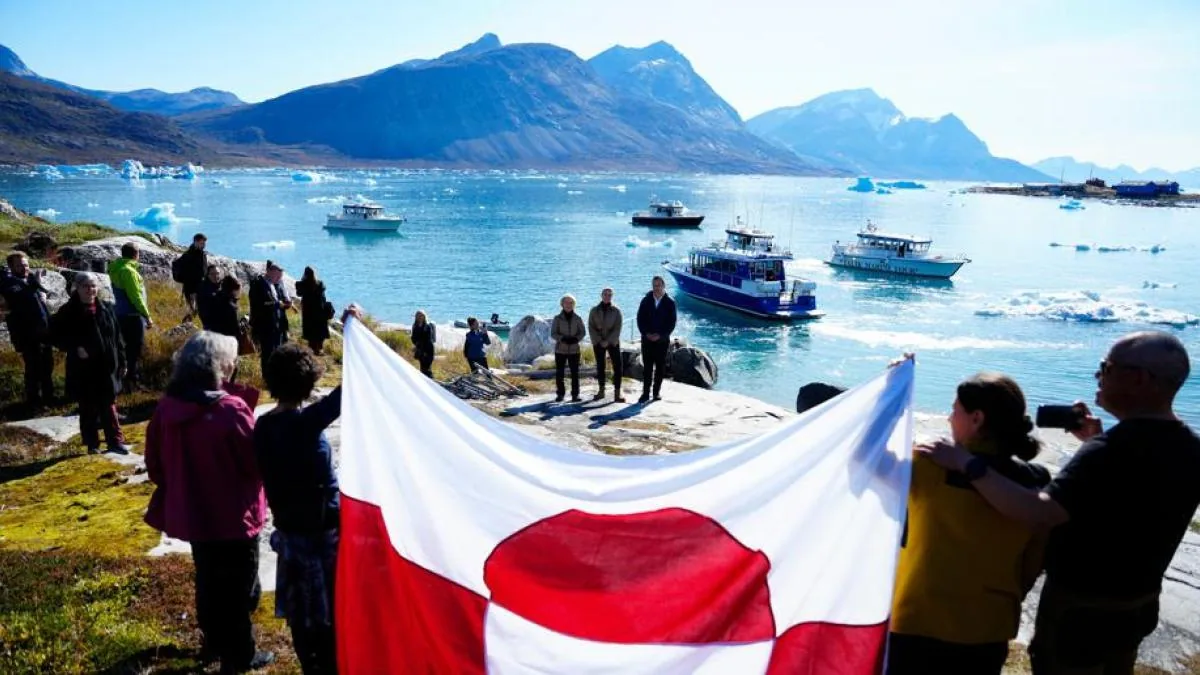
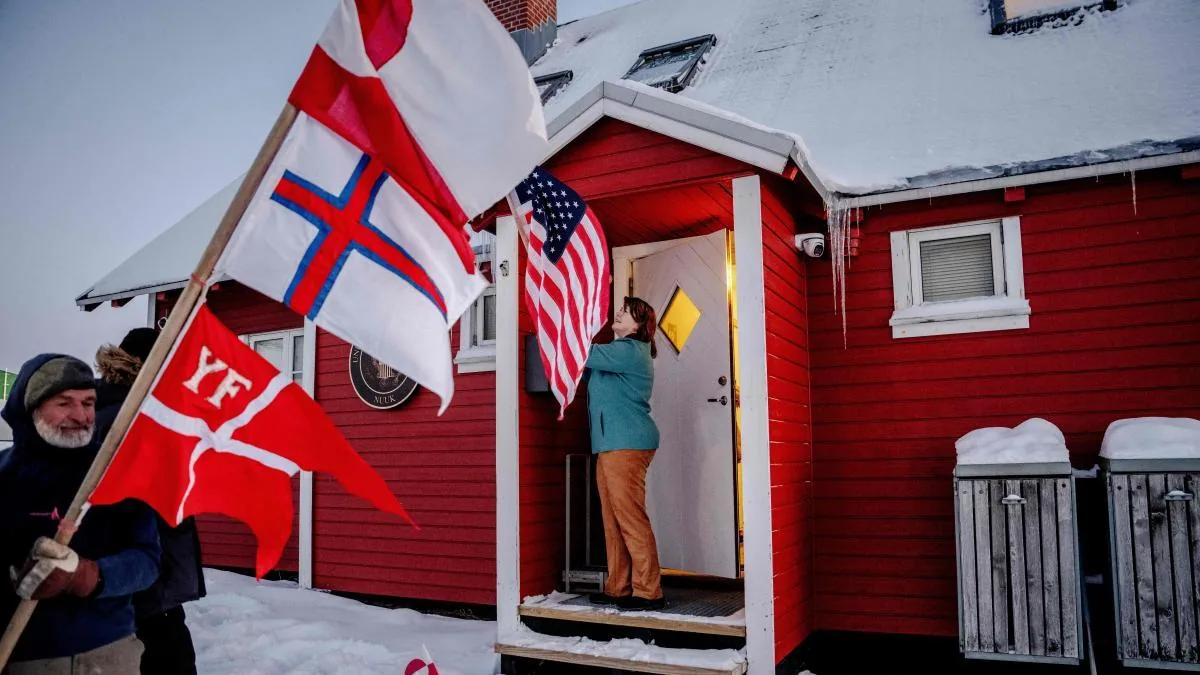
The prior discussion has been dominated by issues such as national sovereignty, control of natural resources – especially fishing – and the cost of living in a context of uncertainty due to the annexation threats from U.S. President Donald Trump to neighboring Greenland.
Iceland has a small and dispersed population in a relatively large territory (less than 400,000 people in 100,000 square kilometers) and all ballot boxes must be transported to the constituency counting centers, which in some cases involves a transfer of up to 400 kilometers.
Hence the National Electoral Commission has warned that it is difficult to predict when conclusive data will be available, although a provisional result with all votes counted is not expected until noon on Sunday.
Read more The CIA director’s visit to Moscow sparks speculation about a Russian attack on NATO