Pedro Sánchez’s government passed the summer examination of the Congress’s Permanent Deputation this Wednesday without a numerical blemish. The official record will reflect a clean plenary session, with zero lost votes for the investiture bloc and the PP’s withdrawal of the request to force the president’s appearance, after Moncloa previously announced that Sánchez would appear on his own initiative. But the political unrest has run through underground channels. Just weeks before a decisive political year begins, with general budget negotiations on the horizon and elections drawing ever closer, the investiture partners have used the parliamentary return to remind the Executive that what they granted at the beginning of the legislature is not a blank check.
Read more How the changes Meta has agreed to in order to prevent addiction in minors affect Meta
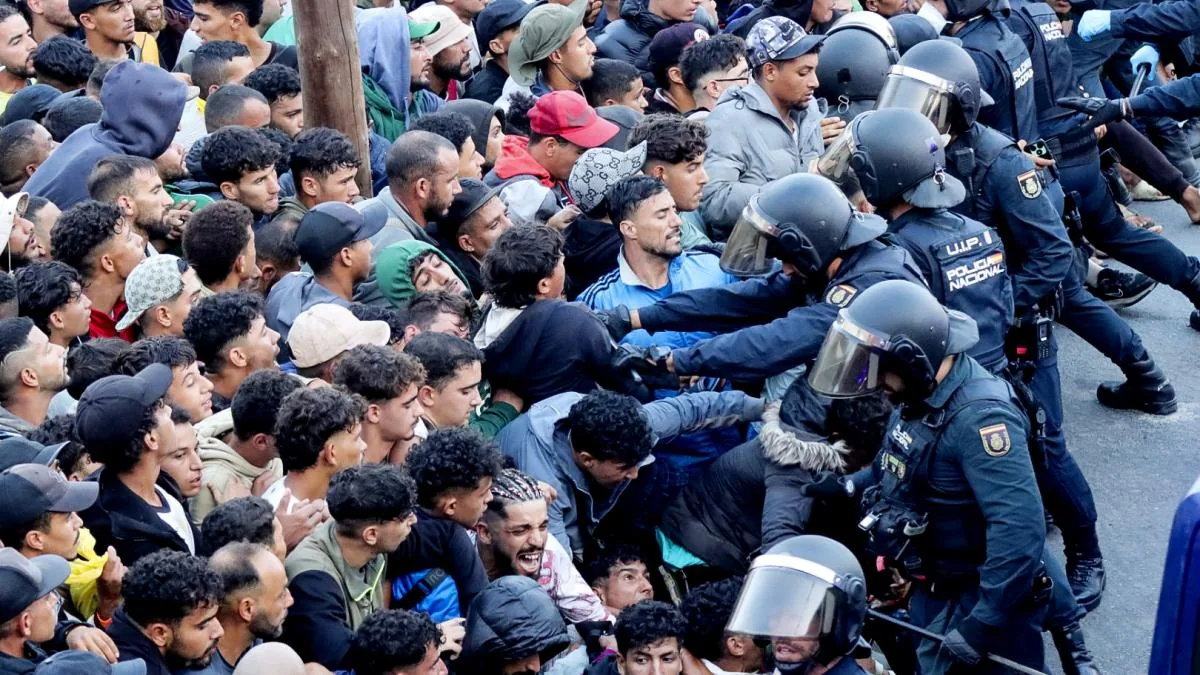
In the five votes held to demand the extraordinary appearance of ministers Sara Aagesen, Fernando Grande-Marlaska, Margarita Robles, and Carlos Cuerpo, the opposition — which had 34 seats compared to the investiture bloc’s 35 — lost all of them. The government thus maintained its parliamentary majority, but the debate exposed the fissures of a bloc subjected to the wear and tear of the Ceuta migratory crisis and the mutual distrust between ministerial departments.
The first warning of the day came from the PNV and Podemos. The PSOE intended to schedule Pedro Sánchez’s appearance for September 9, already within an ordinary session of the new parliamentary period. However, the partners pressured to move it forward to the 3rd. The Executive eventually accepted the call for an extraordinary plenary session in the last week of August. The change may seem like a simple procedural nuance, but politically it has significance. The partners have made it clear that they consider the calendar initially proposed by the PSOE too late and want explanations as soon as possible.
The sequence of the day itself is significant. Moncloa announced the appearance before the Permanent Deputation began, thus deactivating the main vote that the PP had proposed. But it also had to accept that its parliamentary partners would dictate the calendar.

Junts per Catalunya, for its part, has made its mark in an area of maximum sensitivity for Carles Puigdemont’s party: immigration. The post-convergents have questioned the government’s management of the crisis and have even proposed a confrontation between Grande-Marlaska and Robles to resolve the controversy over CNI reports prior to the massive entries into Ceuta. The proposal did not prosper, but the gesture keeps open one of the main avenues of wear and tear for the Executive. Its spokesperson, Míriam Nogueras, emphasized that immigration will be one of the areas in which it intends to make a difference after registering its bill for the delegation of migratory powers to the Generalitat early in the day.
Marta Madrenas, a Junts deputy, placed this dispute in a broader context by arguing that the “underlying problem” is that Sánchez’s government “does not have a serious migration policy.” In her opinion, while the president continues to present Spain as a “virtuous exception,” fewer and fewer people are buying that narrative.
Read more The Nepal flood punishes a mountain paradise
The distancing has not been limited to external allies either. From within the Sumar group itself, IU deputy Enrique Santiago has demanded clarification on whether the CNI had information about the massive entry of migrants into Ceuta and whether “someone decided not to pass it on to the rest of the ministries.” Santiago explained that his group has requested the appearance of the director of the intelligence service because he has the “impression” that this information was not transferred to other departments.
The approach is particularly uncomfortable for the socialist wing of the Executive. Sumar gives credibility to the Interior Ministry and the Government Delegation in Ceuta when they maintain that they did not receive reports about a massive entry of migrants, but at the same time wants to clarify whether the intelligence services had information that did not reach those departments. “If, despite having the information, for whatever reason, someone decided not to pass it on to the rest of the ministries,” Santiago warned, “it would be very serious.”

The investiture partners agree on a warning that goes beyond this Wednesday’s five votes. Parliamentary support for the Government does not equate to a blank check. They can continue to add 35 votes against the opposition’s 34 and allow Moncloa’s parliamentary machinery to function, but that does not mean they will accept without discussion its timings, its decisions, or its management of crises that could compromise them before their own electorates.
Among the investiture partners, there is agreement that the PSOE “should not boast about the outcome of the votes.” “They won them, and it’s true that they have a great mechanic like Rafael Simancas, who knows how to get the most out of the engine, but the truth is that the bodywork damage is increasingly visible,” these parliamentary sources point out.
Read more Meta agrees to pay 17.1 billion dollars to settle lawsuit for attacking children’s health