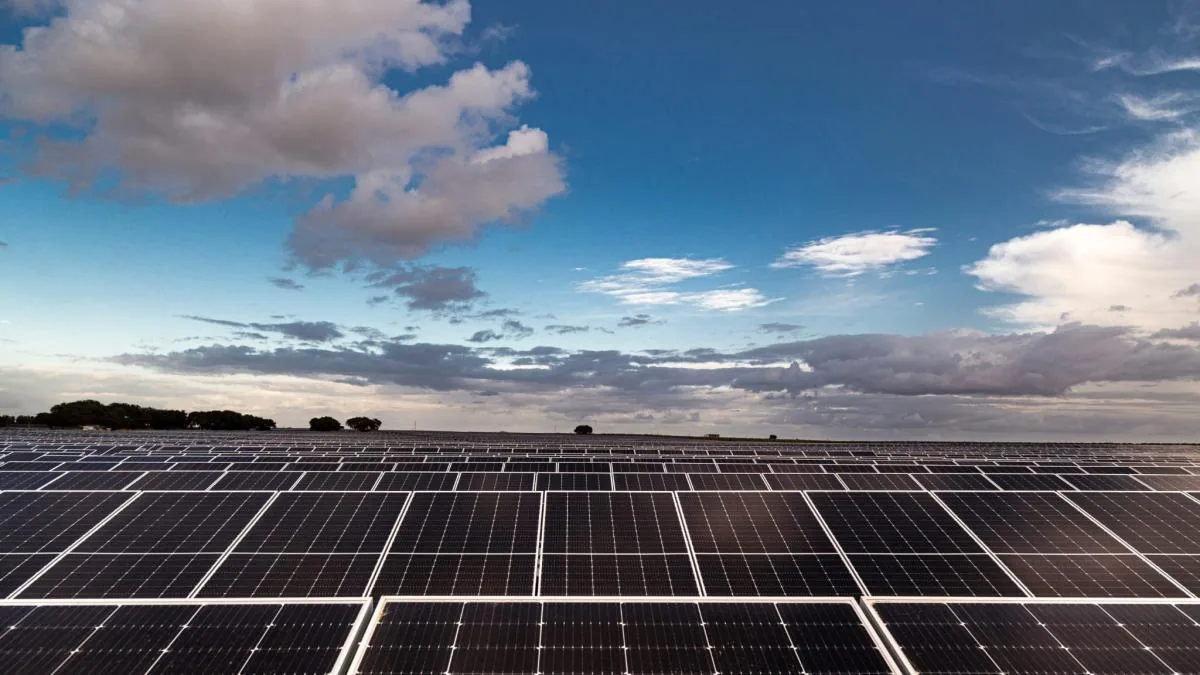
Each generation faces a debate that ends up defining its future. Our grandparents had to decide whether to electrify the towns. Our parents decided to build highways, universities, and hospitals. It is up to us to decide whether we want to produce the energy that Catalonia will need in the coming decades or if we prefer to continue depending on others while resigning ourselves to watching the industry leave. The debate about the PLATER is, in reality, this.
Read more ‘El Niño’ threatens to condemn 49 million more people to acute hunger
Reading some opinion articles these days, one gets the feeling that renewable energies are an existential threat to the country. There is talk of “territory occupation,” “landscape destruction,” and “imposed mega-projects.” It is an emotional narrative. But deeply childish. Because the problem is not deciding between windmills or landscape. The problem is deciding between producing energy or importing poverty.
Claiming that Catalonia can maintain its standard of living without generating the energy it consumes is a fantasy
For two centuries Europe built its welfare state thanks to an industrial revolution fueled by abundant and competitive energy. Without that energy, we would not have had industry; without industry, we would not have had qualified employment; without employment, we would not have had taxes; and without taxes, social democracy would not exist.
The PLATER represents, for the 21st century, the same as the industrial revolution represented in the 19th century: the essential infrastructure for Catalonia to remain a prosperous country. Because today energy is industrial policy. And industrial policy is social policy. When a company decides where to install a factory, it does not first ask about the beauty of the landscape. It asks if there is enough, stable, and competitive electricity. Without this energy, the answer is very simple: the investment leaves. Claiming that Catalonia can maintain its standard of living without generating the energy it consumes is a fantasy.
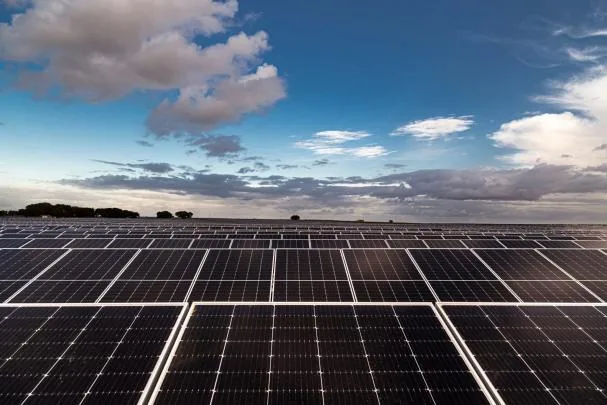
Those who demand electric cars, heat pumps, green hydrogen, artificial intelligence, supercomputers, or data centers often oppose the infrastructures that have to feed them. Naturally, renewables must be well planned. Naturally, spaces of highest environmental value must be protected, impacts minimized, degraded lands prioritized when possible, and the territory adequately compensated. But turning any project into a permanent “no” is condemning the country to decline.
Read more Man wanted for murdering his ex-partner in Murcia arrested in Puerto Lumbreras
Moreover, there is a paradox that is hard to explain. Many regions that reject new energy projects are, at the same time, large consumers of electricity produced in other territories. There is also a discourse that constantly appeals to the defense of the rural world. But the rural world will not survive by becoming a theme park for weekend urbanites. It will survive if there is economic activity, young people who want to live there, and public services.
And here the fundamental issue arises. History teaches us that when a society loses its ability to generate wealth, its social cohesion also disappears. Without industry, there is no welfare state. And without a welfare state, we end up regressing to societies where a few accumulate economic power while the rest depend on their will.
The stomach does not understand ideologies. Nor slogans. Nor raised fists singing The Internationale. When work and opportunities are lacking, rhetoric disappears quickly. That is why the debate about the PLATER is not environmental. It is economic. It is industrial. It is social. And it is moral.
Because the question is not whether we want to see some more wind turbines on the horizon but whether we want our children to find here the jobs, companies, and opportunities that allow continuing to finance public schools, hospitals, and pensions. Everything that is not answering this question is discussing the landscape while the future passes by.
Read more Andy Burnham has a small problem: he will not be able to appoint bishops