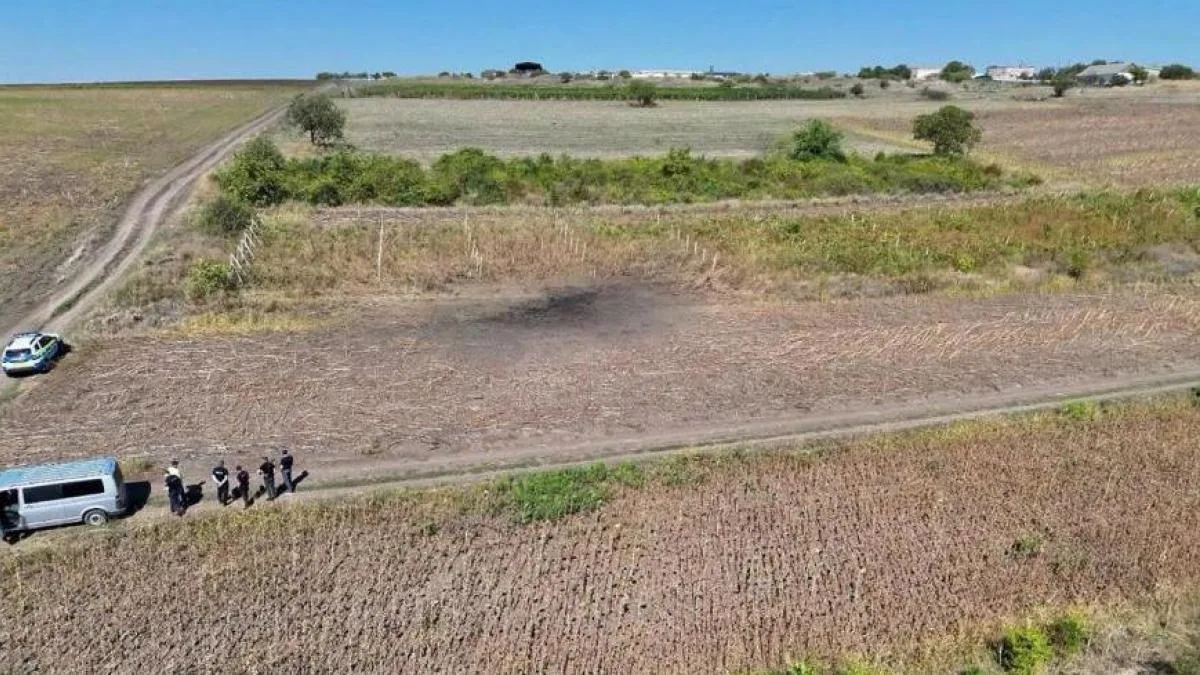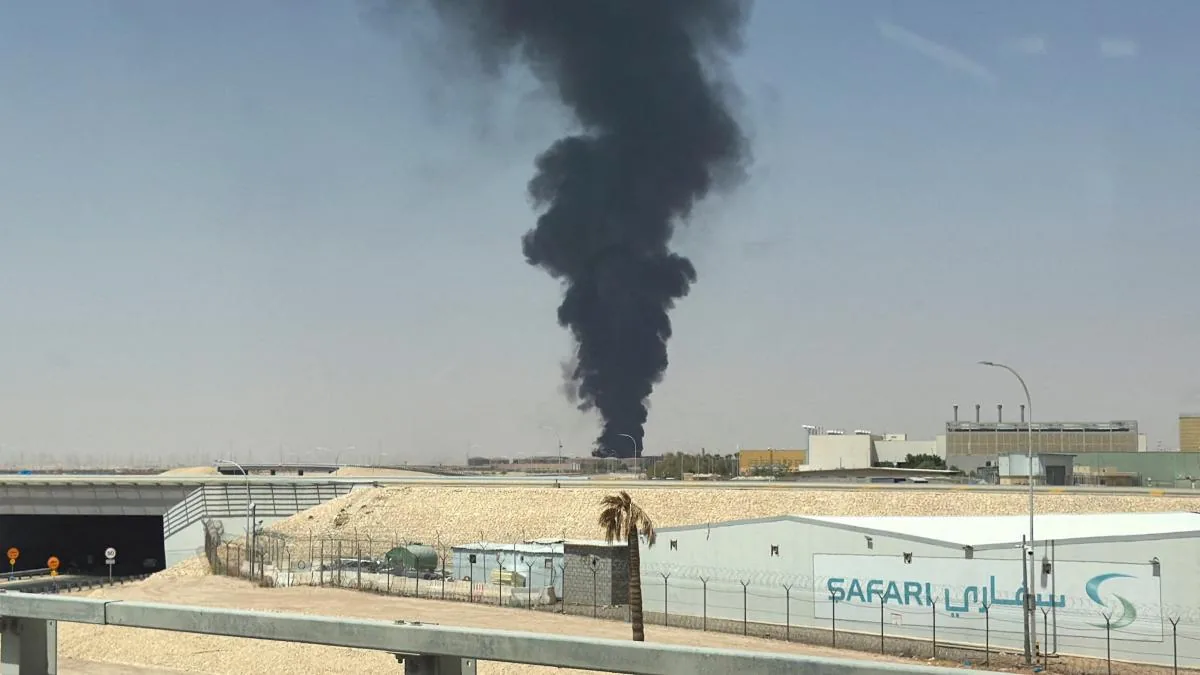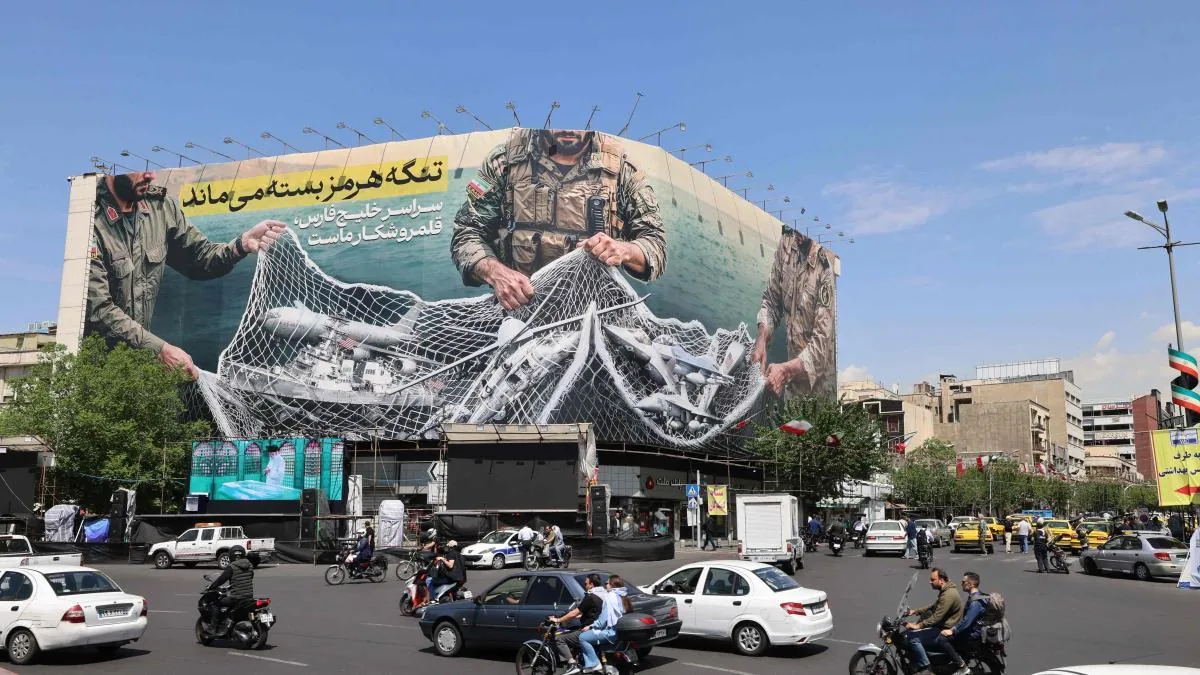
In his effort to sell a victory to the American people in the Iran war, Donald Trump has stubbornly repeated that the Persian country has already been “annihilated” militarily, so the “total victory” at the strategic level is just around the corner. “They have no Navy, no communications, no Air Force,” he said two months ago, when he lied by claiming the war was “practically over.” “They have already fired everything they had to fire,” he added: “Iran’s drone and missile capability has been completely destroyed, the navy has disappeared.”
Read more Xi Jinping takes Trump to the sacred belly button of Beijing
In each of his almost daily interventions, both he and the head of the Pentagon, Pete Hegseth, have insisted on that idea. But, after two and a half months of war, which has cost Washington 29 billion dollars – according to the latest update from the Department of Defense – the Tehran regime remains standing, with the capacity to attack ships in the Strait of Hormuz and military installations in the region, also by its allied militias, and with enriched uranium in its possession. Trump has not yet achieved any of the declared strategic objectives.
Also read
According to information advanced on Tuesday by The New York Times, success has also not been achieved in the military objectives that the White House occupant boasts about. The newspaper has had access to assessments transmitted by officials to political leaders, in a series of classified intelligence meetings this month, in which it was revealed that “Iran has regained access to most of its missile sites, launchers, and underground facilities.”
Specifically, 30 of Iran’s 33 missile sites around the Strait of Hormuz are operational. At these bases, which Tehran uses to attack ships and block the important maritime route, about 70% of the mobile missile launch platforms still remain. In addition, according to the information revealed by the Times, U.S. intelligence estimates that the country retains around 70% of the missile arsenal it had before the war.
This arsenal includes ballistic missiles, used for long-distance attacks against military targets, allies, or U.S. bases in the region, as well as cruise missiles, which are usually employed for shorter-range targets, both on land and at sea.
Read more Peter Jackson, Honorary Palme d’Or: «I was kicked out the first time I set foot here!»
On the other hand, although at the beginning of the war they were one of the main targets of the U.S. and Israeli bombing campaign, Iran would have regained access to 90% of its underground facilities, where it stores and launches missiles, throughout the country.
The Pentagon reveals that the war in Iran has already cost U.S. taxpayers 29 billion dollars
The Trump Administration has justified its aggression by arguing that Iran was close to producing the nuclear bomb. Secretary of Defense Hegseth has stated in his successive press conferences from the Pentagon that Iran was “building powerful missiles and drones to create a conventional shield for its nuclear blackmail ambitions” and that “it had a conventional gun to our head while trying to lie to get to a nuclear bomb.”
Thus, to end Iran’s nuclear ambition, the U.S. launched from the beginning to bomb the country’s missile launch platforms. Since, after just over a week, it determined that those capabilities had already been degraded, and that Iran no longer represented a “threat,” Washington has been pressuring the country to agree to dismantle, or at least temporarily suspend, its nuclear program.
But, even in the face of Trump’s threat, through Truth Social, to commit genocide against its millenary “civilization,” Tehran has not yet agreed to any nuclear concession. The conflict between the three countries (including Israel) has remained in an unstable ceasefire for just over a month. Pakistan’s attempts, the main mediating country, to bring the parties to the negotiating table have repeatedly failed. Meanwhile, Hormuz remains blocked, strangling the passage of 20% of the world’s oil, and the war shows no signs of moving toward a definitive peace.
Read more The 70-year-old Spanish passenger with hantavirus remains stable with oxygen