Between attacks and counterattacks in southern Iran amid a ceasefire, between promising statements and threats of destruction or taking the war to other parts of the world, negotiators from the United States and the Islamic Republic regime would have reached an agreement on a 60-day memorandum of understanding to extend the ceasefire and start negotiations on Iran’s nuclear program, according to Axios, while the Strait of Hormuz reopens to traffic.
Read more Ebola in war zone: violence and rebel groups block crisis response
However, and always based on this information, Trump has not yet given his final approval, according to two U.S. officials and a regional source involved in the mediation efforts who spoke to the cited media.
The signing of the memorandum of understanding would be the most significant diplomatic advance since the war began three months ago, although a definitive agreement addressing Trump’s nuclear demands would still require more intensive negotiations. The president repeatedly states that Iran cannot have the atomic bomb.
U.S. sources indicated that the terms of the agreement were practically closed by Tuesday, but both parties still needed to obtain approval from their respective leaders.
In fact, this draft has been circulating since last weekend, when Trump stated that the pact was long negotiated and considered the agreement practically reached. Then, Republican hawks, some very close to the president, disqualified those advances by questioning what this war had served for. The only achievement was the reopening of Hormuz, which was already open before the conflict began on February 28.
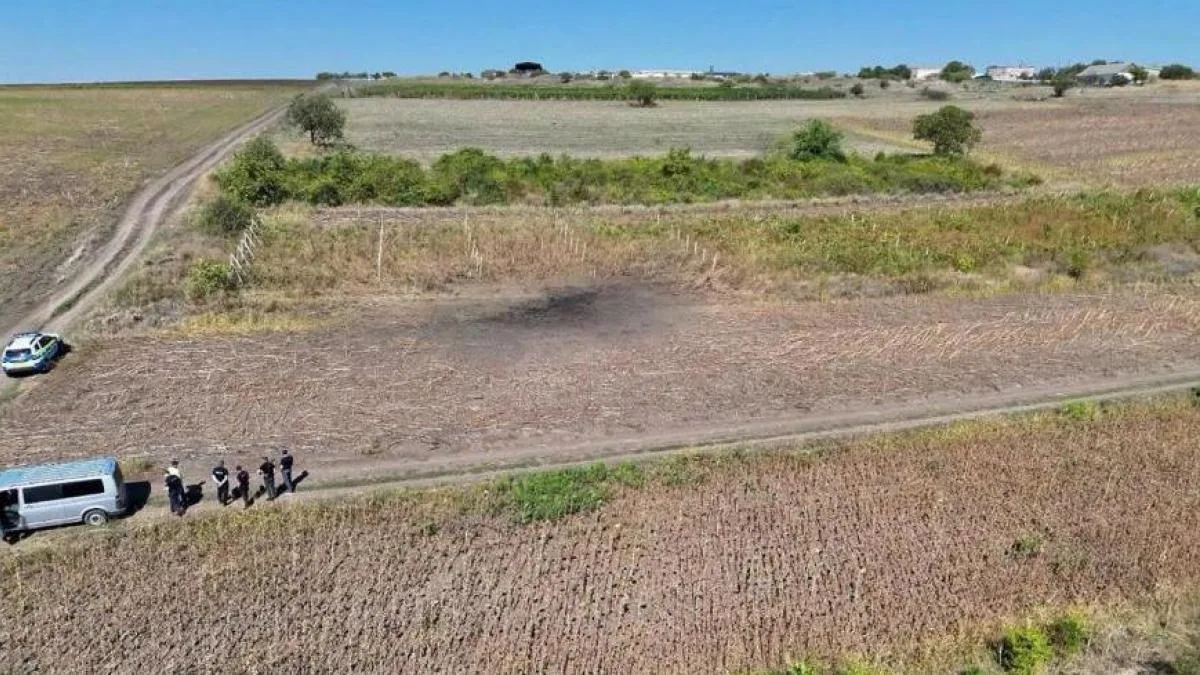
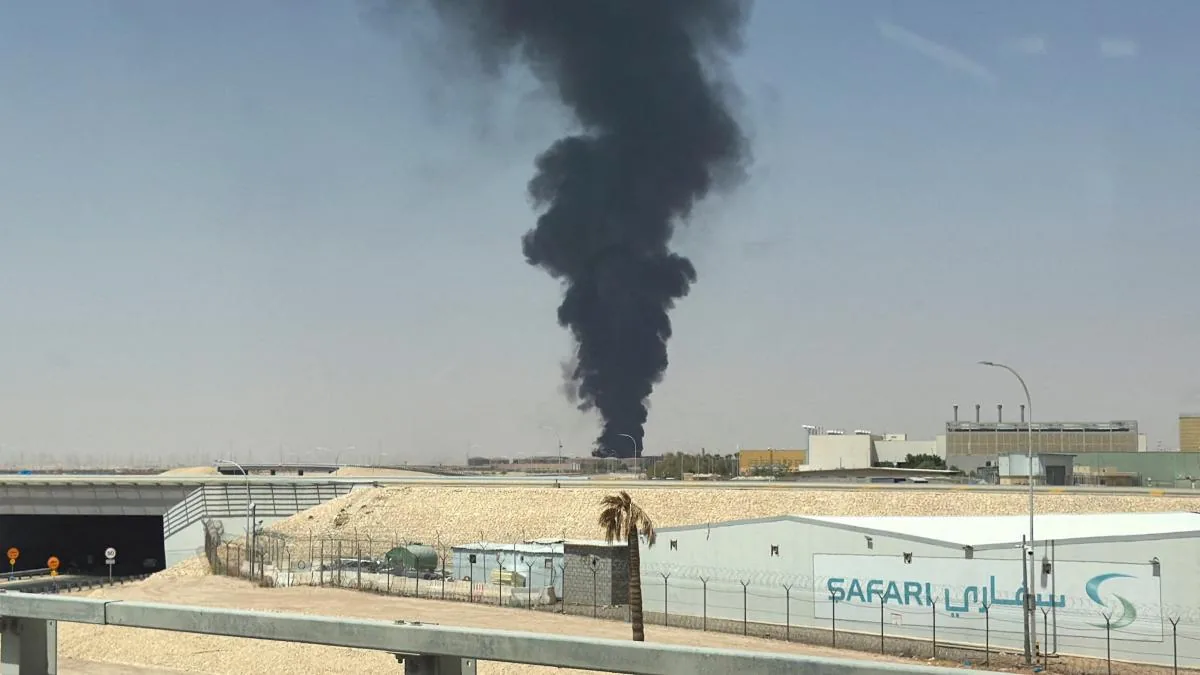
Since then, the Pentagon has launched two defensive attacks in southern Iran, one on Monday against missile sites and ships, and the other on Wednesday to neutralize at least four drones launched by Iran, as well as a control center. Iran responded by attacking a base in Kuwait with drones.
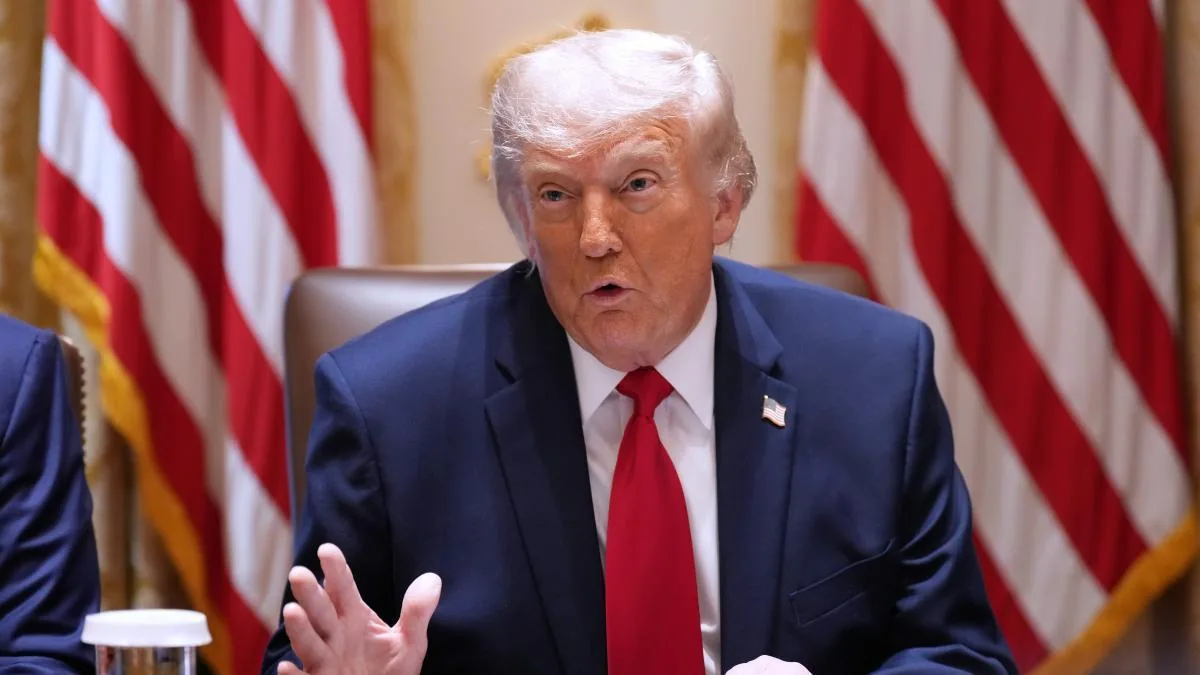
On Wednesday, Trump said the negotiation was going well but that Iran had not yet given him everything he wanted. He emphasized that the Strait of Hormuz will be fully open, without Iran managing it, contrary to the Persian leaders.
The memorandum would have received Tehran’s approval on Tuesday. It was communicated to Trump on Wednesday.
According to Axios, U.S. officials stated that the Iranians, after their initial reservations, returned later that day and indicated that they already had the necessary approvals and were ready to sign. Iran has not confirmed this circumstance. U.S. negotiators informed Trump about the details of the final agreement, but he did not give immediate approval. “The president told the mediators he wants a couple of days to think it over,” said one of those sources.
It should not be forgotten that this is not the first time Trump or his circle have considered this agreement almost closed.