The fragile ceasefire that had been in place since last April 7 between the United States and Iran hangs by a thread after a violent exchange of attacks in the Strait of Hormuz in the early hours of this Friday. Both powers have confirmed the crossfire but maintain opposing versions about who initiated the aggression and what the actual damages have been.
Read more The San Isidro festivities kick off: concerts, parades, exhibitions, and gastronomy
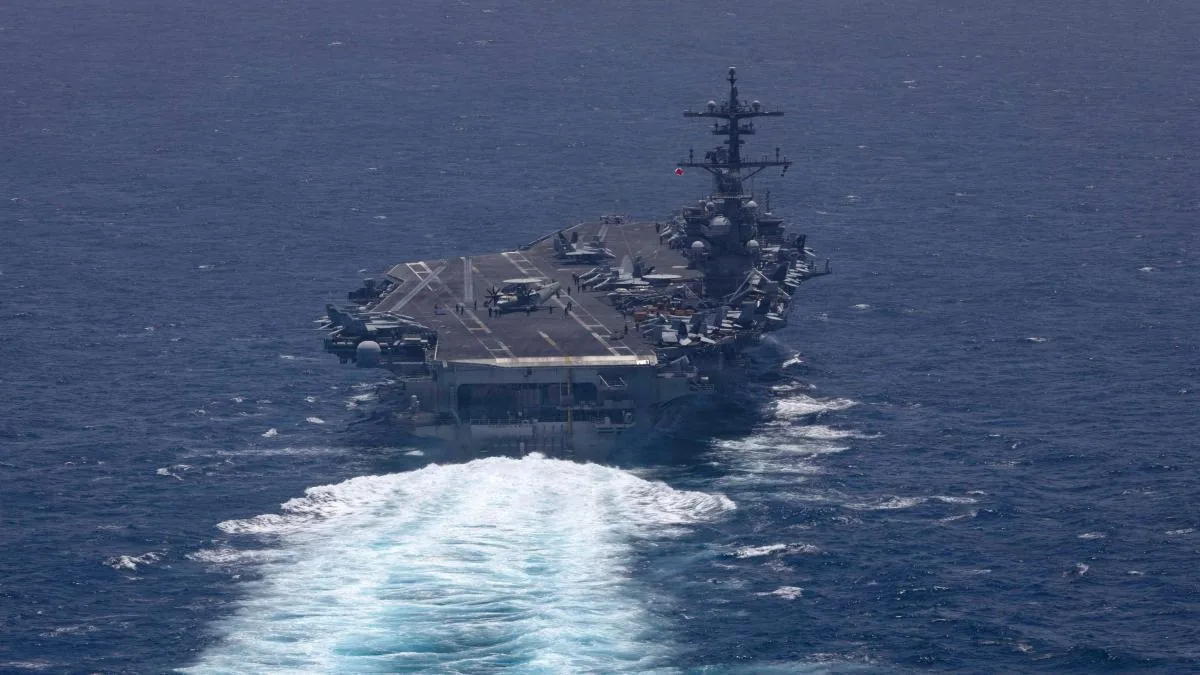
The origin of the escalation is disputed. According to Iran’s General Headquarters, the fuse was lit when the U.S. attacked two vessels — one of them, an Iranian tanker heading towards Hormuz — and bombed “civilian areas” in Bandar Jamir, Sirik, and Qeshm Island, on the country’s southern coast. In response, the Revolutionary Guard claims to have launched a “broad operation” with ballistic missiles and drones with multiple warheads against the U.S. fleet, alleging to have caused “significant damage.”
Also read
However, the Pentagon flatly denies Tehran’s version. The U.S. Central Command maintains that its forces acted in strict self-defense after suffering “unprovoked” attacks from Iran. According to this military version, Iranian forces launched missiles, drones, and small boats against three Navy destroyers transiting the international waterway. U.S. authorities assert that Iran did not manage to hit any U.S. target during the offensive.
Read more Dozens of people gather in front of the fifth eviction attempt of a retiree by a religious order
Although Central Command states that it “does not seek escalation,” the tension has spread inside the Persian country. The semi-official Iranian agency Mehr reported the activation of air defenses in the capital, Tehran, a move that suggests fear of a larger-scale military response, although so far neither side has confirmed attacks in that area.
Read more Madrid leaves the program of about 2,750 language assistants in educational centers up in the air