The European Central Bank (ECB) has decided, as expected, to keep the cost of money with the deposit interest rate at 2%, for the sixth consecutive time since June 2025. The entity does not consider that the current economic disturbances, with a resurgence of inflation due to the energy crisis following the Iran war, justify at this time implementing a more restrictive monetary policy.
Read more The fall of Kidal, symbol of Russia’s failure in Mali
In its statement, the ECB says that “the war in the Middle East has caused a sharp increase in energy prices, which has driven inflation and negatively affected economic sentiment. The implications of the war for medium-term inflation and economic activity will depend on the intensity and duration of the shock in energy prices, as well as the magnitude of its indirect and second-round effects. The longer the war lasts and the longer energy prices remain high, the greater the likely impact on overall inflation and the economy.
The decision comes on the day Brent crude again surpasses the $120 mark, the highest level in four years. And also on the day a European consumer survey is released certifying a change in perception about inflation.
“Consumers’ perceptions of inflation over the past 12 months, as well as inflation expectations for the next 12 months and the next three years, all increased significantly, while inflation expectations for five years rose slightly,” the study reads. For the next year, expectations have soared to 4%.
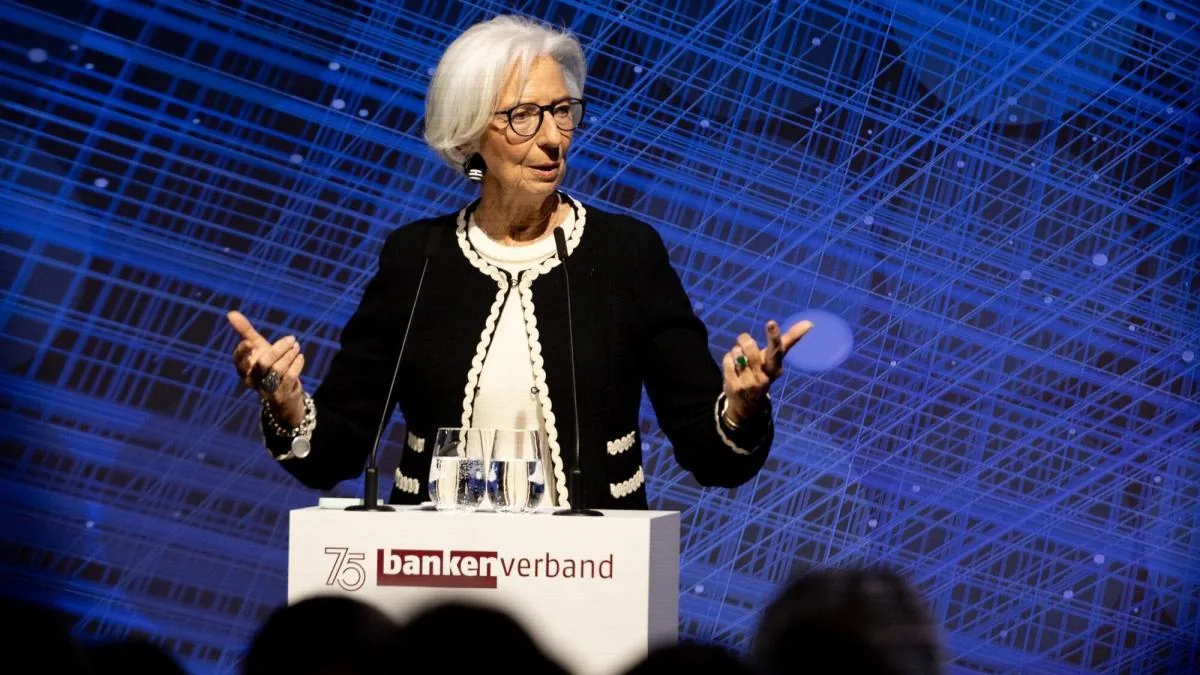
Neither circumstance has caused Christine Lagarde to change course, who prefers to avoid hasty options. Analysts believe a rate hike next June is likely. Inflation in the eurozone stands at 3% in April, the highest level since September 2023, up from 2.6% in March. The ECB’s target is to contain it at 2%.
Read more The Andalusian campaign starts, which everyone pays attention to except those who have to vote
Mortgages rise
The Euribor, on the rise
The twelve-month Euribor, the main index used in Spain to calculate variable mortgages, rose again in April, closing with an average rate of 2.747%, the highest since September 2024, which will increase mortgage loans for the second consecutive month.
From a theoretical point of view, there are factors that support Frankfurt’s caution. Compared to the Ukraine war, price pressures are much weaker now, second-round inflation effects are not yet visible, the labor market is weaker. It should not be forgotten that core inflation (excluding the effect of energy prices) barely rose by one tenth in April to 2.3%, a sign that the inflationary spiral has not started (yet).
Another reason that invites the ECB not to step too hard on the brake is the weak growth of the eurozone, which is practically stagnant in the first quarter, with a meager advance of 0.1%. Raising rates could further depress the economy. Thus, a concrete risk of stagflation, economic stagnation, and high prices is emerging.
“The war and the rise in energy prices do not constitute just an inflationary shock, but a true stagflation shock,” analyzes Carsten Brzeski, economist at ING.
Read more Begoña Gómez files a complaint against Vito Quiles and the PP defends him