The Clínic Barcelona Comprehensive Cancer Centre (4CB) has received one of the highest European recognitions in oncology by being accredited as a comprehensive cancer center by the Organization of European Cancer Institutes (OECI).
Read more Record of extreme temperatures in a May month in Catalonia: 39.5 ºC in Vinebre
The 4CB, created at the beginning of 2025 driven by the Clínic hospital, the Idibaps research center, and the University of Barcelona, has passed with flying colors the exhaustive evaluation by the OECI, which requires compliance with 85 standards and 343 sub-standards, both quantitative and qualitative, of integrated multidisciplinary cancer care and research.
Four other centers in Spain have the OECI seal, the first to receive it was Vall d’Hebron, three years ago
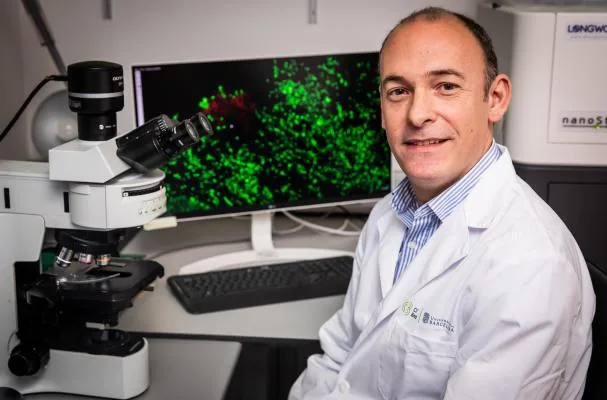
“We are very happy to have managed to create the organizational structure in record time and to have passed the OECI audit, which is very demanding,” explains Aleix Prat, director of the 4CB, to La Vanguardia. In a phone conversation from Chicago (USA), where he is attending the American Society of Clinical Oncology (ASCO) congress, he states that the accreditation is “a very important step forward” in the path started by Clínic in 2023 with the creation of the Cancer and Blood Diseases Institute with the idea of becoming a leader in oncology.
The OECI accreditation endorses an integrated model of care, research, teaching, and innovation that promotes precision oncology and facilitates scientific advances reaching patients more quickly and effectively.
Also read
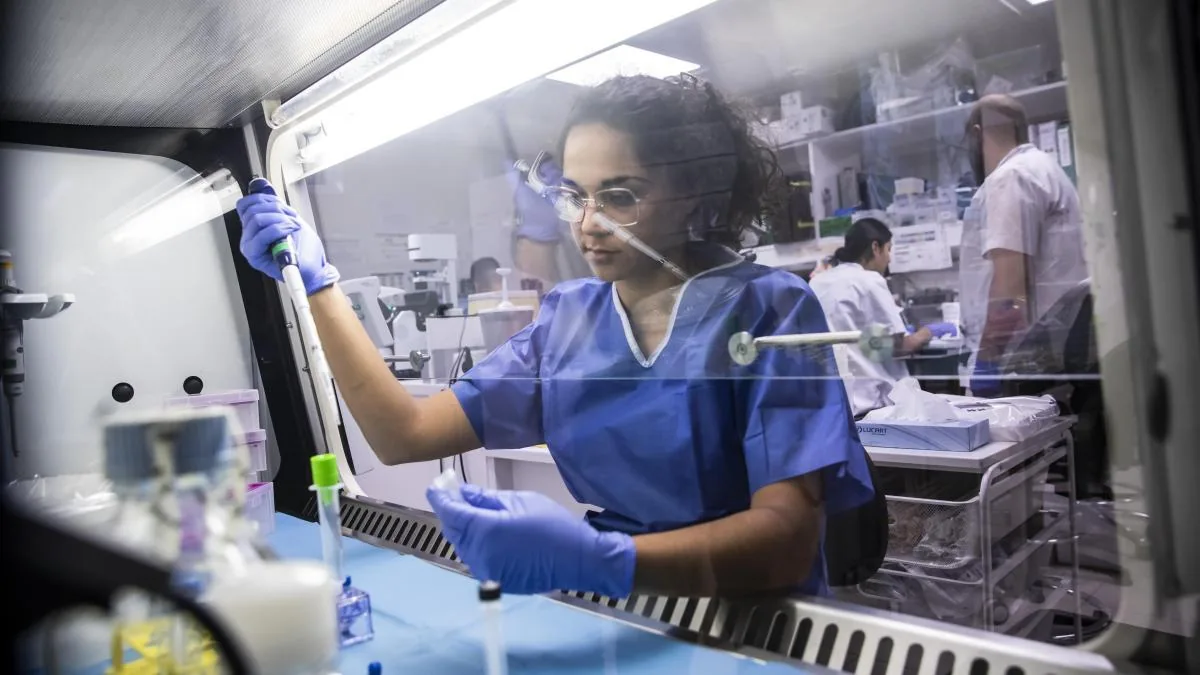
The 4CB treats more than 6,500 new cancer patients each year. It integrates 15 multidisciplinary units, three cross-cutting programs, and 27 translational research groups. It also promotes hundreds of clinical trials, facilitating access to new treatments and advancing towards increasingly personalized care.
In Catalonia, Vall d’Hebron was the first accredited institution, three years ago. The Bellvitge Health Campus (comprising the hospital, the Catalan Institute of Oncology, the university hospital, the Idibell research institute, and the University of Barcelona) achieved it last October, and Clínic has obtained the seal after nearly two years working on an organizational structure involving the hospital, Idibaps, and the UB.
In the rest of Spain, the Clínica Universidad de Navarra, private, and very recently, the Fundación Jiménez Díaz University Hospital in Madrid, owned by Quirónsalud, have been designated Comprehensive Cancer Centres (CCC). Other institutions, such as the 12 de Octubre hospital, are in the process of accreditation.
Read more A judge halts the creation of Trump’s $1.8 billion fund to compensate coup plotters
According to Dr. Prat, the CCC model is the best way to approach cancer today, in the sense that it integrates clinical and translational research with teaching, training, and treatment. “Accredited centers must set the pace in the task of preventing, diagnosing, and treating,” he explains.
We are very happy to have managed to create the organizational structure in record time”
Aleix Prat
Director of the 4CB
The problem, according to Prat, is that CCCs are polarized in large cities, so the next challenge is to reach the entire population. “This accreditation should serve to advance towards a more coordinated oncology network with hospitals in the territory and guarantee access to quality care everywhere,” explains the Clínic’s medical director, Antoni Castells, in this regard.
In his opinion, the future of the 4CB “involves strengthening care, academic, and research alliances with hospitals in the territory, moving towards a shared vision with the C-17 network [formed by the hospitals of Mollet, Granollers, Sant Celoni, Vic, Campdevànol, and Clínic] and towards a true Comprehensive Cancer Network.”

For Joan Guàrdia, rector of the UB and member of the 4CB governing council, the accreditation “evidences the strategic value of integrating teaching, research, and care to train professionals and transform knowledge into real impact for society.” The director of Clínic, Josep Maria Campistol, understands that the institution consolidates itself as “one of the major European hubs of biomedical research, capable of attracting talent, driving innovation, and offering patients access to the best available treatments.”
The accredited community includes leading oncology centers such as Karolinska in Stockholm (Sweden), the Istituto Nazionale del Tumori in Milan (Italy), the University of Cambridge (United Kingdom), the Netherlands Cancer Institute in Amsterdam (Netherlands), the Gustave Roussy center (France), or the CCC in Berlin (Germany).
The OECI seal, which also requires centers to have a broad network of international contacts, is valid for five years, during which the center commits to monitoring the certified indicators and implementing a continuous improvement plan.
Read more The Algete City Council (Madrid) removes the name of Joan Manuel Serrat from a municipal building