Ten years is how long the validity of the passport, ID card, population census, property registry, some fashions and cultural trends last in many countries. After a decade, the most romantic celebrate aluminum weddings, movies, records, and video games that have been popular are relaunched, and the planet Mercury crosses in front of the Sun as seen from Earth. It is also how long it has taken the British Labour Party to reconsider returning to the European Union.
Read more The ‘Hondius’ arrives in Rotterdam for hantavirus disinfection
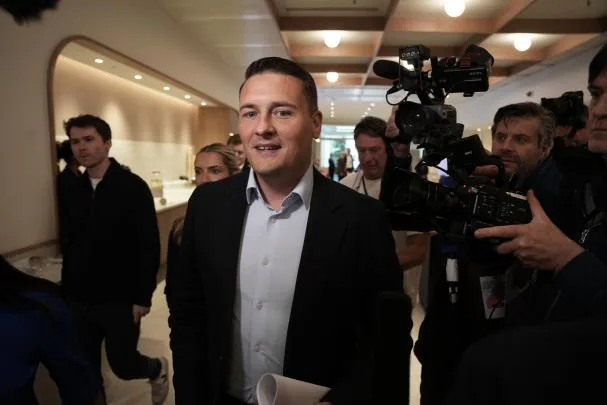
Not all of Labour. Not the (yet) Prime Minister Keir Starmer and his followers, but the two main contenders to succeed him before the end of summer, the resigning former Health Secretary Wes Streeting, and the Mayor of Manchester Andy Burnham, if he first meets the prerequisite of defeating Farage’s far-right in his own field and winning the Commons seat for Makerfield.
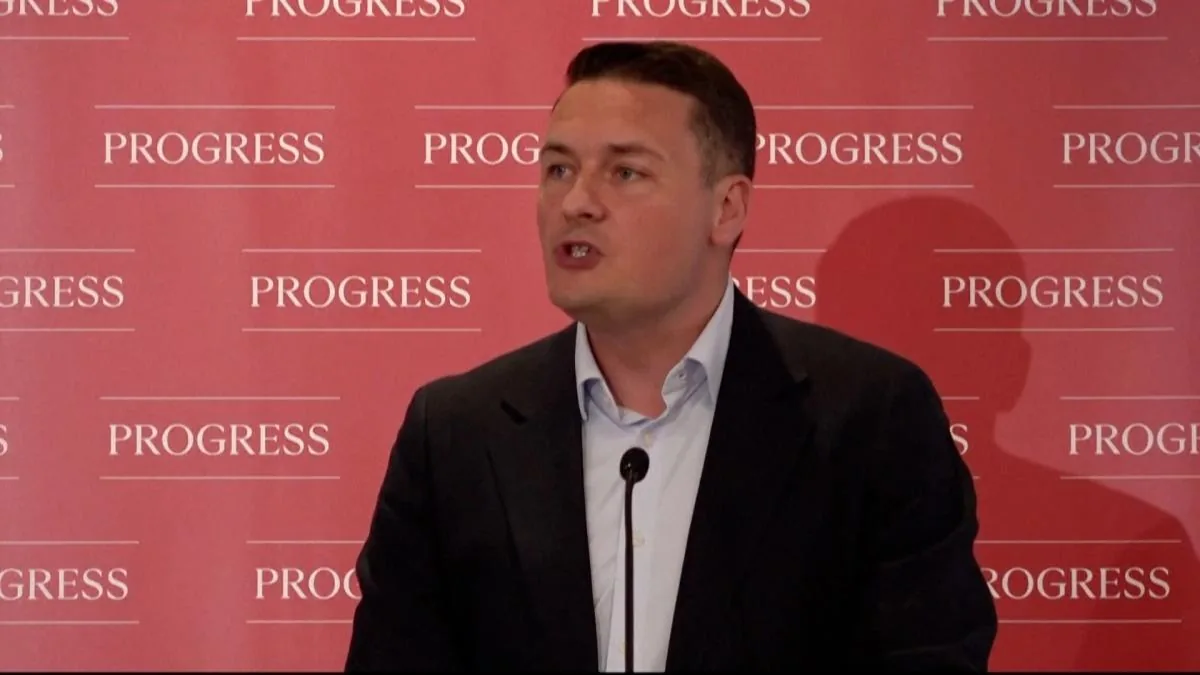
Streeting has opened Pandora’s box by announcing his candidacy for Labour leadership on the premise of returning to the EU “to neutralize the catastrophic effect of Brexit, defend ourselves from the double threat of Putin’s Russia and Trump’s America First, and because “the natural place for the United Kingdom is at the heart of Europe.” His position was immediately criticized by Culture Secretary Lisa Nandy (loyal to Starmer), with the old arguments that the popular will must be respected and the greatest possible advantage taken from going it alone, instead of fighting the same war again.
How long is it reasonable to accept the so-called “popular will,” even though statistics make it clear it has been a disaster, and at least 55% of Britons want to return to the EU? As a consequence of leaving the club, it is estimated that the UK economy has lost between 6% and 8% of GDP, investment has fallen by around 15%, exports and productivity have suffered, bureaucracy has increased, and the cost of living has skyrocketed.
The EU divorce has cost the UK between 6% and 8% of GDP, and around 15% of investments
A sector of Labour had been pressuring Starmer for some time to ignore the red lines of the manifesto with which the party won the 2024 elections, and take the first step of applying to join the single market or the customs union. But the current government has not wanted to hear about it, settling for tightening relations with measures such as aligning standards in food, agriculture, veterinary, and energy matters, or a youth mobility plan (not yet fully agreed) so that European citizens can spend a few years in Great Britain, and vice versa for Britons on the continent.
Read more Israel begins intercepting the rest of the flotilla heading to Gaza near Cyprus
Now Streeting has broken the mold and Burnham has had to take a stand. He also supports proposing a return to Brussels, if the idea is endorsed in another referendum, but he has the problem that in the constituency where he will try to win a Commons seat in mid-June, two out of three residents voted for Brexit. Some may have changed their minds, but many others have not.
Consequently, the Mayor of Manchester proposes returning to Europe “at the right time,” without haste, and does not want it to be a campaign issue in Makerfield that will decide his fate, Starmer’s, and the country’s. But it is something that does not depend on him. Reform UK, Nigel Farage’s far-right populist party, has already started distributing leaflets accusing Burnham of “trying to change the referendum result” and “betraying those who voted for Brexit.”
While Reform’s supporters are mostly Eurosceptic, Labour’s potential voters are divided. On one side, the old working class with socially conservative values and a simplistic patriotism of waving the Union Jack, who voted for Brexit and Boris Johnson. On the other, intellectuals, students, and liberal middle-class professionals, who anxiously await the moment to return to the EU and many of whom, disappointed, have switched to the Greens. These are two forces pulling in opposite directions and – although Starmer has tried – they are impossible to reconcile.
Farage will try to defeat Burnham by accusing him of “betraying” those who voted for Brexit
Even if it were the official line of the new Labour leader, it would be a long process and Brussels would not embrace it with unusual enthusiasm, because it is not far-fetched that Farage reaches Downing Street and slams the door on Europe again, with even more force this time and locking it tight. If Mercury needs ten years to cross in front of the Sun, Great Britain will need much longer to return to the EU.
Read more Trump pressures Iran as Saudi Arabia and the United Arab Emirates denounce drone attacks