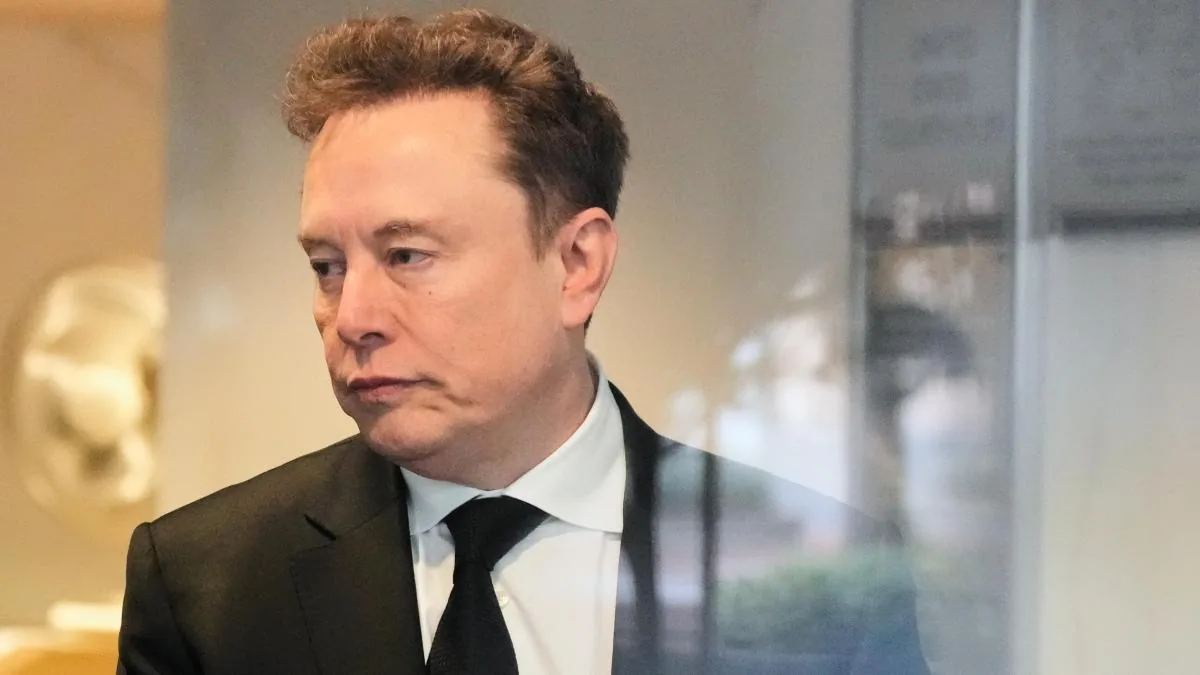
SpaceX is informing investors that no one can remove Elon Musk from his position as CEO and chairman of the board without the consent of the company’s founder himself, according to an excerpt from the IPO documentation analyzed by Reuters.
Read more The Pentagon estimates the cost of the war in Iran at 25 billion dollars
The document states that Musk “can only be removed from our board or these positions by a vote of the holders of Class B shares,” those with privileged voting rights, with ten votes each, which he will control after the IPO, making his removal, in practice, a vote on himself.
If “he maintains a significant portion of his stake in Class B common shares for a long time, he could continue controlling the election and removal of the majority of our board.”
Also read
The provision adds to the two-class framework that SpaceX plans to adopt in its IPO, a configuration common among technology companies led by their founders going public, which grants founders and early investors greater control than other shareholders.
But even in those structures, boards usually retain formal authority to remove a CEO, although founders can influence outcomes through voting power.
Read more Ukraine forces Russia to hold the Victory parade without heavy weaponry
The full impact of the provision would depend on the details of SpaceX’s foundational legal documents, according to corporate governance experts.
Musk will have an effective veto over any attempt to remove him
Overall, the provisions would give Musk an effective veto over any attempt to remove him, a level of control that, according to experts, is higher than usual by linking removal directly to his own voting power. SpaceX warned potential investors that the structure “will limit or prevent your ability to influence corporate matters and the election of our directors.”
“This provision is not usual. Typically, the removal of the CEO is a decision left to the board, and majority shareholders rely on their power to replace the board,” said Lucian Bebchuk, a professor at Harvard Law School whose research focuses on corporate governance, law, and finance.
SpaceX will be divided into Class A common shares for public investors and other Class B privileged voting shares for insiders. Musk will have the majority of voting power, linking board control and executive authority directly to the shares he controls, Reuters previously reported. The arrangement represents a departure from Tesla, which has a single class of shares.
Read more The author of the attempted attack on Trump took a photo armed minutes before the shooting