The package of measures adopted to address the Iran war continues to have an effect on containing prices. In the third month of the conflict, in May, inflation remained at the same level as in April, 3.2%, according to the preliminary data provided by the INE this morning. This containment is due to three factors: the aid package approved by the Government, still in force; the fact that food prices have not risen, having moderated when they increased in May last year; and the weight of renewables, which has allowed the containment of electricity prices.
Read more Catalonia extends the age to access the public loan for home purchase to 40 years
Now, the evolution of the CPI will have to pass its trial by fire, with the gradual withdrawal of the planned tax aids. The first, reductions in electricity and gas, starting Monday, and the rest at the end of June.
On the other hand, core inflation, which excludes energy and fresh food, did rise by one tenth, reaching 2.9%.
Thus, if the year started with prices moderating before suffering the effects of this war, the package of tax cuts to avoid a sharp rise in inflation is achieving results. Already in April, the CPI moderated by two tenths, to 3.2%, and now, contrary to economists’ forecasts, which expected a slight increase.
This increase has not occurred due to the effect of these measures, but these aids will begin to be dismantled starting this Monday. This is the case with the reduced VAT for electricity and gas, and the lower rate of the electricity tax, which return to their normal levels because their evolution remained below the set limit. The rest of the measures, such as tax cuts on gasoline, remain in place until June 30. Aid to farmers and transporters, as well as enhanced discounts on the social electricity bonus, are also maintained.
One surprising point has been the good performance of food prices, which have even fallen. In the food, beverages, and tobacco category, prices went from 3% in April to 2.4% in May. Unprocessed food prices also moderated, dropping from 4.6% to 3.3%. “There is no sign of the war’s impact here. Food prices are even better in a normal May,” says María Jesús Fernández, senior analyst at Funcas, adding that “it is food and non-energy industrial goods that have performed better than expected.”
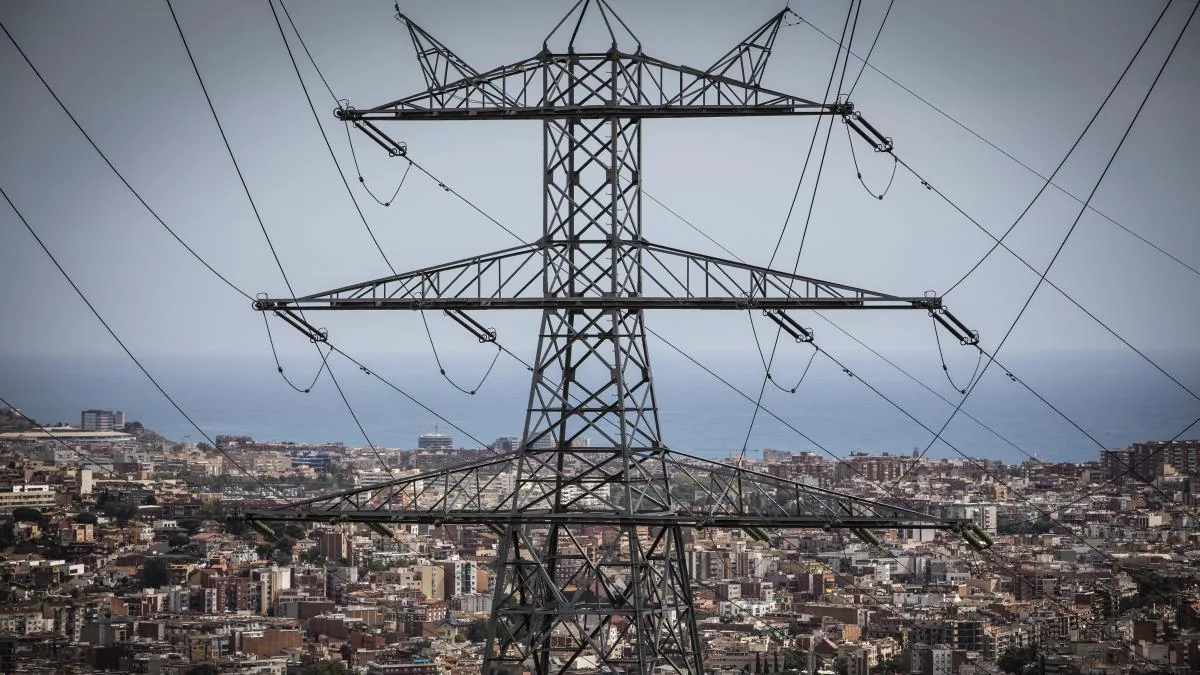
Another element helping to contain prices is the weight of renewables, which mitigates the impact of the global energy crisis. In April, for example, electricity prices even fell compared to the same month last year.
The reductions that do expire starting Monday are the reduced VAT for electricity and gas, and the lower rate of the electricity tax, because their evolution remained below the limit set in the aid package adopted by the Government to address the war. The rest of the measures, such as tax cuts on gasoline, remain in place until June 30.
Looking ahead, a progressive increase in inflation is expected until summer, when it will exceed 4%, then gradually moderate. Funcas, for example, forecasts the annual average to be 3.4%. A forecast, however, based on the reopening of the Strait of Hormuz and therefore subject to many uncertainties.