








Inflation fell more than expected throughout June in the United States, standing at 3.5% on an annualized basis. This significant decline was contributed to by the drop in oil prices due to the ceasefire in the Iran war, which helped contain the rise in the cost of living for Americans, after three months of sharp increases caused by the conflict launched in the Middle East by President Donald Trump last February.
Read more The incredible voice of Greta Thunberg’s singer sister: «They say I’m a gay icon»
The Consumer Price Index (CPI) fell by 0.4% in the month, once adjusted for seasonal factors, when a 0.2% drop was expected. This monthly drop in overall inflation was the largest since April 2020.
The escalation of hostilities this July could make this improvement a mirage and, despite everything, inflation remains well above the 2% target of the Federal Reserve (Fed).
But the data published this Tuesday by the Bureau of Labor Statistics caused the price index to shrink significantly from May’s 4.2%, a figure that marked the largest acceleration in inflation since April 2023. Economists also expected this percentage to remain at 3.8% in June.
Core inflation, which excludes the more volatile prices such as food and energy, stood at 2.6%, down from 2.9% in May.
Despite relief for the pockets of Americans, inflation continues to be a serious concern for consumers in this country.
Fed members are analyzing core inflation and other underlying inflation indicators for signs that the effects of the war are spreading to a broader set of prices. So far, there is little evidence that this is happening, but central bank governors remain cautious and do not want to become complacent after five years in which inflation remained above healthy levels.
And the Iran war is not the only source of inflationary pressures worrying monetary policy makers. Price increases linked to the expansion of artificial intelligence (AI) have also contributed to inflation. Additionally, according to research by the Federal Reserve Bank of New York, tariffs imposed by Trump continue to gradually pass through to the prices consumers pay.
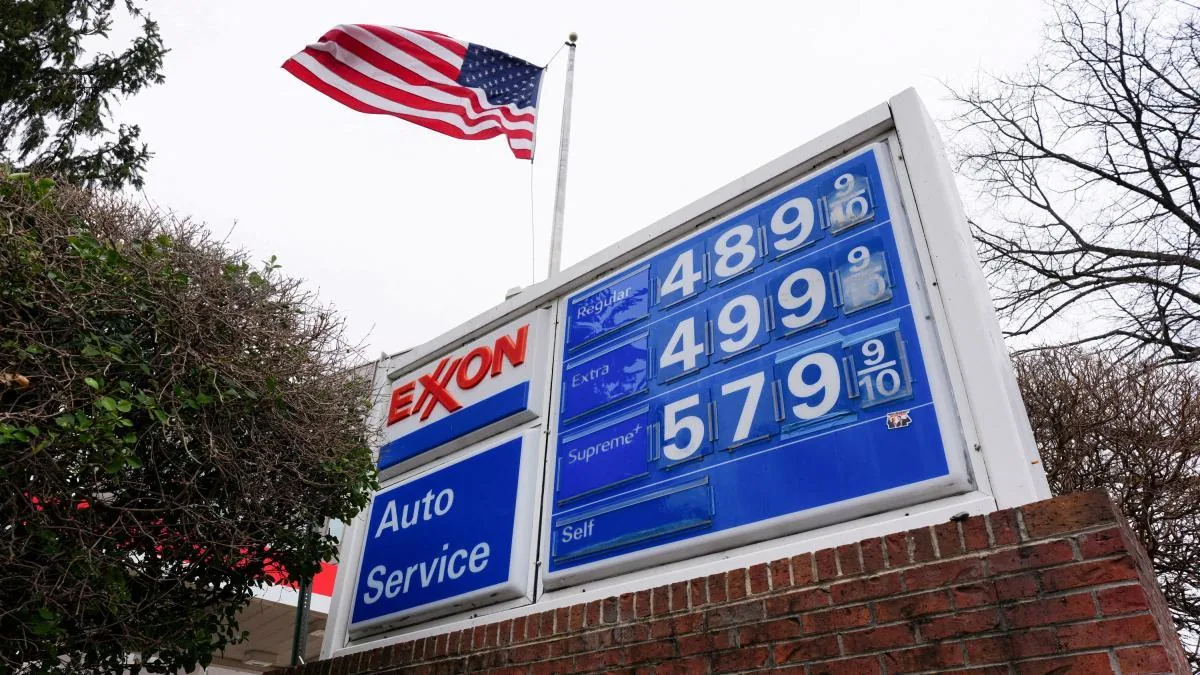
The energy index plunged 5.7% in June, although it still accumulated a year-on-year increase of 15.7%. Both gasoline and fuel oil recorded declines of over 9%. The national average price per gallon dropped below 4%
Likewise, service costs, which Fed monetary policy officials closely monitor to assess long-term inflation trends, moderated significantly. Services excluding energy costs remained unchanged. Housing costs increased by just 0.1%, and transportation services recorded a 0.3% decline.
Food prices rose by 0.2%, while new vehicles remained stable and used cars and trucks saw a 0.2% decrease. Clothing prices, sensitive to both energy costs and the impact of tariffs, fell by 0.6%.
Read more Several consecutive power outages annoy thousands of residents of l’Hospitalet
Elizabeth Renter, chief economist at NerdWallet, told Business Insider that the expected slowdown in overall inflation would largely be due to the gradual disappearance of the effects of the oil price shock. However, the new report analyzes past data, so it does not reflect the recent rebound in gasoline prices after they fell in June.
There was some relief because any figure above the 3.5% year-on-year increase in nominal wages recorded that month would mean that wage growth would continue to lag behind inflation.
Stock futures mostly rose after the report’s release, while Treasury bond yields fell sharply.
Although the inflation data offered some respite, it is unlikely to motivate Fed governors to cut interest rates in the short term, as the central bank is widely expected to raise its benchmark rate in September. Fed Governor Christopher Waller said on Monday that he would need several months of favorable data to be convinced that inflation is returning to the 2% target.
The report comes after Fed officials adopted a firm tone regarding inflation. After their June meeting, monetary policy officials issued a statement bluntly saying that the Federal Open Market Committee (FOMC), responsible for setting interest rates, “will ensure price stability.”
The new Federal Reserve chairman, Kevin Warsh, who had previously expressed that these rates could be reduced in the future, has made controlling inflation the central focus of his message since taking office in May.
“The Federal Reserve’s number one goal is to implement the right monetary policy, or get as close to it as possible,” Warsh said in a preview of his opening speech delivered this Tuesday in his first appearance before Congress since taking office.
“That is our clear and constant goal, the guiding star of our course. And if we implement the right policy, and we will, the inflation surge of the past five years will be a thing of the past,” he emphasized.
Market expectations point to the Fed keeping rates unchanged at its July 28-29 meeting and then approving a 0.25 percentage point increase in September. Currently, the Fed maintains its benchmark overnight lending rate in a range of 3.5% to 3.75%.
Read more The EU and the United Kingdom seal the Gibraltar agreement that means the disappearance of the fence