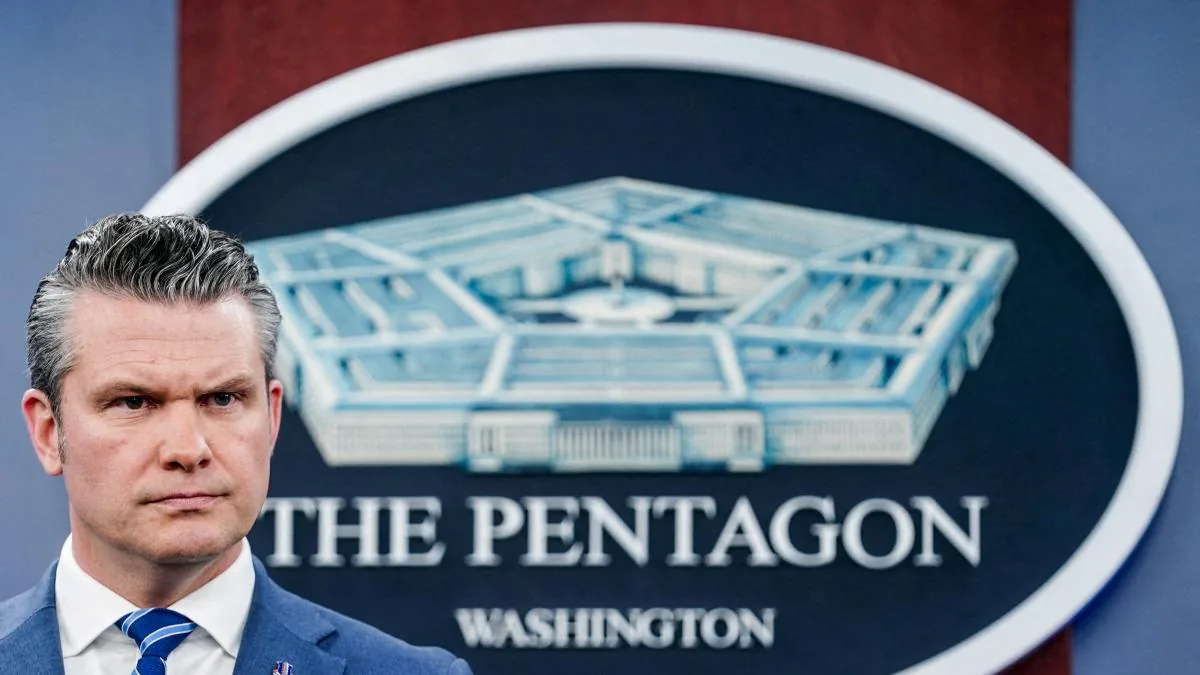
The prowess of the American armed forces has been clearly displayed in the skies over Iran. During the 38-day air campaign, fighter jets flew more than 13,000 sorties, devastating Iranian armed forces, industrial, and nuclear facilities. The operation has been an example of meticulous planning and tactical brilliance. All this, moreover, while the American military leadership was also fighting another internal battle: with its own Secretary of Defense.
Read more The ceasefire between Iran and the United States is nearing its end in a climate of maximum distrust
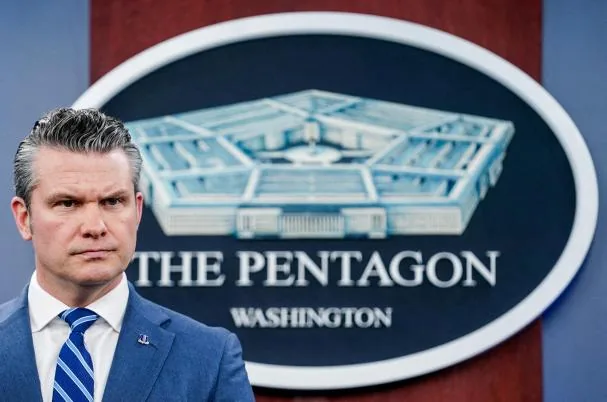
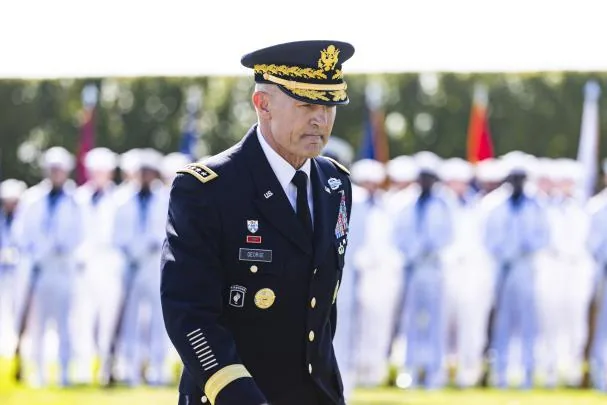
On April 2, Pete Hegseth dismissed General Randy George, the highest-ranking U.S. Army officer, and relieved two other senior commanders of their duties. That this occurred in the midst of war, America’s most important in decades, with ground troops en route to the Persian Gulf, is almost unprecedented, according to former military officials. Hegseth offered no explanation for the sudden dismissals. But, most likely, they are the latest victims of his ongoing purge of the U.S. military leadership.
The Economist has spoken with several former senior military officials, some of whom have been affected by the recent purges. They describe a Pentagon dominated by resentment, politicization, and the secretary’s obsession with imposing a virile, anti-woke ‘warrior ethic,’ which even translates into contempt for international law. In press conferences about Operation Epic Fury, the former Fox News presenter, with his characteristic slicked-back hair, sometimes seems more interested in fighting culture wars than the war in Iran. ‘He’s like a 12-year-old with an arsenal of military action figures who likes to play war,’ sighs one of the former senior commanders.
Hegseth has dismissed at least 21 generals for no apparent reason other than their race, sex, or political leanings
Since taking office last year, Hegseth has dismissed at least 21 generals. Many appear to have been removed for no apparent reason other than, possibly, their race, sex, or alleged political leanings. ‘It’s unprecedented, there’s nothing comparable to dismissing 21 senior commanders without a clear reason,’ says Kori Schake of the American Enterprise Institute, a think tank. ‘He has wasted centuries of talent.’
For his part, General George reportedly opposed Hegseth’s unusual decision last month to remove four officers—two black men and two women—from a promotion list. Some commanders are deciding to retire early or withdraw their names from promotion boards, laments Nancy Lacore, an admiral forced to retire last year who is now running for Congress in South Carolina.
Read more Air transport faces its most uncertain summer due to fuel scarcity
His replacements, for the most part, have solid preparation and do not show an obvious partisan bias. However, some appointments have generated surprise. The promotion of General Christopher LaNeve as General George’s replacement is one example. A former military assistant to Hegseth, General LaNeve has limited experience for the position of Chief of Staff of the Army, a role that involves tasks such as selecting, training, and equipping soldiers. However, the general called President Trump just hours after his inauguration to welcome him back to office. ‘But did this man come out of a movie or what?’ the president commented.
A recently retired senior military legal advisor (army lawyer) expressed concern that the new generation of lawyers is trying to build a legal justification for anything the Administration asks of them. ‘Hegseth’s mindset is victory at any cost,’ laments a senior military official. ‘We are seeing a real conflict with everything we thought we stood for as a military institution.’
Why is Hegseth doing this? ‘The mistakes he’s trying to correct are probably the things that angered him when he was a lieutenant and captain in the National Guard,’ says a former senior military official. Hegseth even said the army ‘spit him out’ after his own colleagues identified him as an ‘internal threat’ because of the Deus Vult [‘God wills it,’ a crusader motto] tattoo on his arm, a symbol used by white nationalists. Those familiar with the Pentagon say the secretary sometimes seems bewildered during briefings. ‘He might feel like an impostor when it comes to strategic issues,’ adds another former senior military commander.
It is a true credit to the American armed forces to have performed so well despite all this. This is largely due to their technological supremacy, decades of combat experience, and a non-partisan culture that Hegseth is endangering. The damage he is causing may extend beyond the conflict with Iran.
Read more The transfer of Venice
© 2026 The Economist Newspaper Limited. All rights reserved.