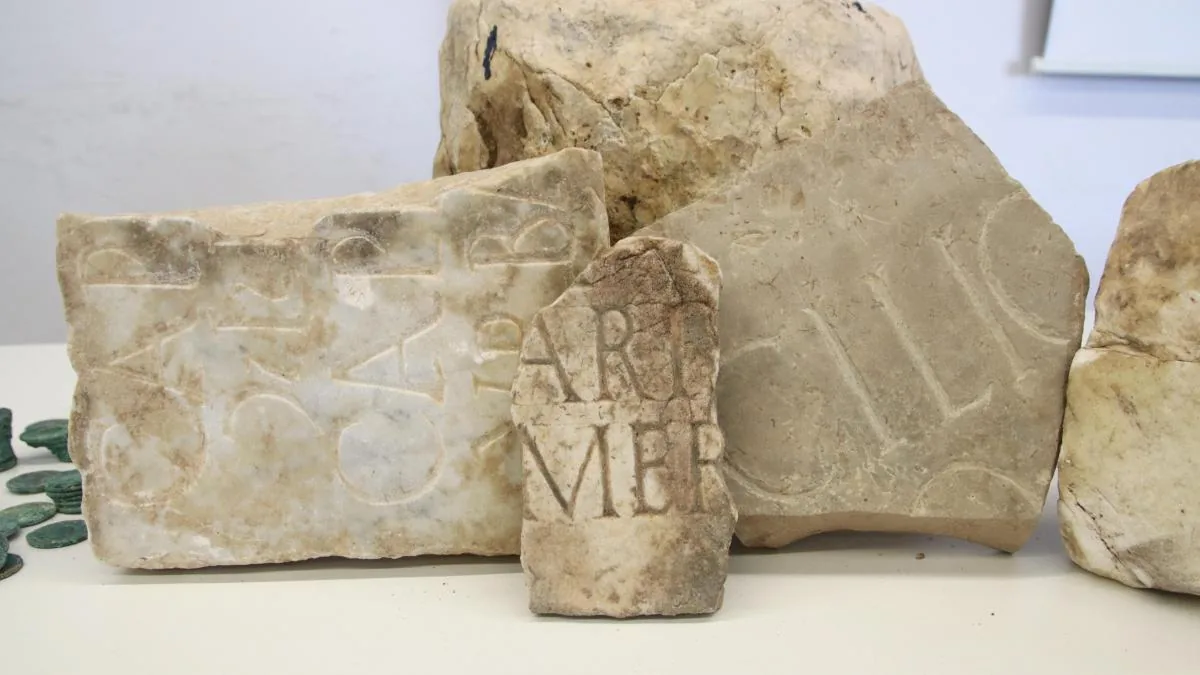
An archaeologist based in Torredembarra (Tarragonès), with a company specialized in excavations, now retired, has spent three decades allegedly irregularly appropriating more than 300 pieces from archaeological surveys in which he himself participated. Among the pieces that the Tarragona Urban Guard has been able to recover, in collaboration with the Mossos d’Esquadra and the Tarragona Prosecutor’s Office, are items from the Roman era or a thousand coins from the Peninsular War (19th century), which were minted in Tarragona.
Surprising discovery
The suspect displayed one of the pieces in his bar in Torredembarra and kept the material in boxes in his garden
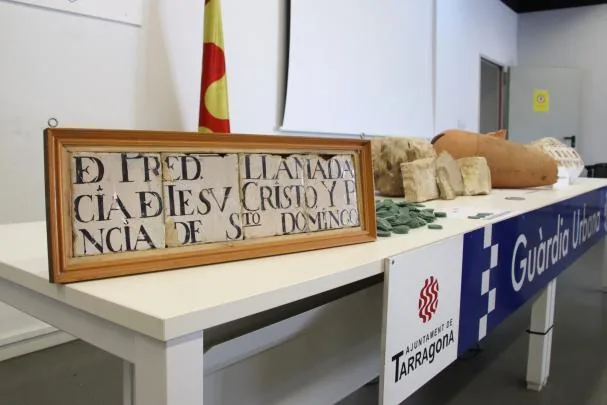
The pieces, coming from dozens and dozens of archaeological excavations, never reached the hands of the competent administration, as the law requires. It is suspected, according to the Tarragona Urban Guard’s statement on Monday, that the heritage now seized was not even cataloged, as established by regulations.
Police investigation
The pieces, from dozens of archaeological excavations, apparently never reached the administration
In some cases, damage or disappearance of fragments of some of the archaeological pieces found has been confirmed. “Due to the damage caused to the ceramics of Ca l’Agapito, we have been able to charge him with a crime of damage against historical heritage, and another crime of continued misappropriation of archaeological material that should be owned by the administration or be of public interest,” highlighted David Font, corporal of the Tarragona Urban Guard.
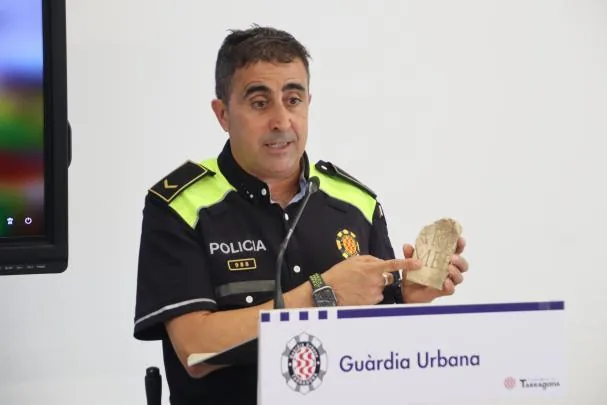
Among the large amount of heritage now recovered stands part of a Roman funerary stele; a capital attributed to the Provincial Forum of Tarraco; an epigraphic inscription in Carrara marble from the Roman wall of Tarragona; or fragments of ceramics from the facade of Ca l’Agapito in Tarragona, one of the most valuable pieces. It is an inscription from the 17th century, from the old beaterio of Sant Domènech, popularly known as Ca l’Agapito.
Non-profit activity
No evidence has been found that the archaeologist from Torredembarra was selling the pieces on the black market
All the material seized by the Urban Guard will be cataloged and studied, now in the hands of experts from the Department of Culture of the Generalitat. Finally, it will be returned to the Museum of History of Tarragona.
Read more Alternative assets: what they are and why they are gaining weight in investors’ portfolios
Protecting public heritage
The pieces will be analyzed by experts, cataloged, and preserved in the Museum of History of Tarragona
The investigated archaeologist kept a good part of the pieces in the yard of his house, in dozens of boxes, and even displayed some of the pieces, such as the remains of a mosaic, in a bar he owned in Torredembarra. This was the lead the Tarragona Urban Guard followed after receiving an email in November 2025 with a complaint from a private individual to start the investigation. Part of the archaeological pieces were stored in about 300 boxes in the garden of the suspect’s house in Torredembarra and in a residence in Tarragona, in 40 more boxes.
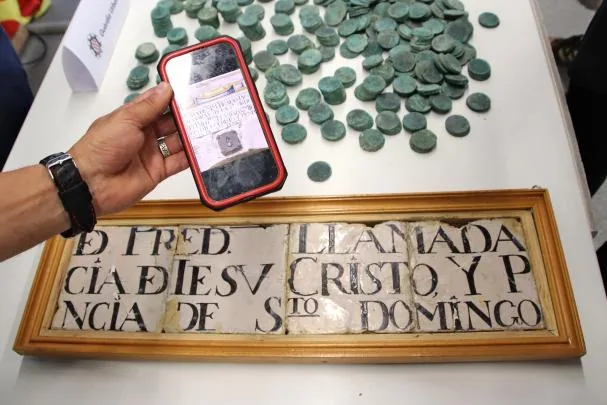
According to the investigators, no evidence has been found that the archaeologist from Torredembarra was selling the archaeological pieces on the black market or obtaining any economic benefit from his collection.
In all the years he worked as an archaeologist, over three decades with his company specialized in excavations, investigators state that he carried out 460 interventions in the Tarragona regions. In more than a hundred of the excavations, always according to the version of the Tarragona Urban Guard, the perceptive report was not submitted to the Department of Culture of the Generalitat, detailing the archaeological material found. “It is an action that protects public heritage and prevents its disappearance,” highlighted Rubén Viñuales, mayor of Tarragona, on Monday after publicly presenting the investigation results at the Urban Guard police station.