
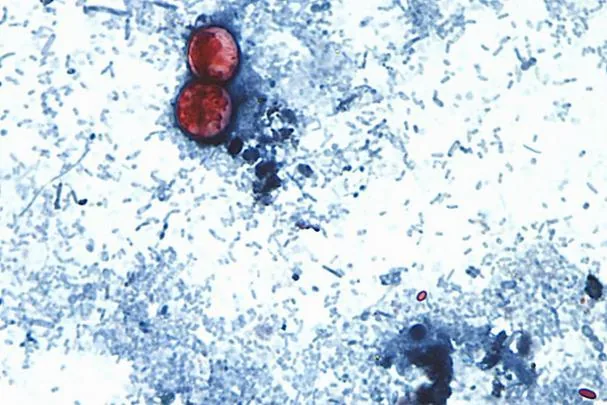
Cyclosporiasis, a gastrointestinal illness caused by ingesting a microscopic parasite, has infected more than 10,000 people in 34 U.S. states, according to the Centers for Disease Control and Prevention (CDC), and two months after the origin of this “explosive diarrhea” outbreak was declared, it continues to grow and elude the efforts of the country’s health authorities.
Read more Obesity War: Novo Nordisk (Ozempic) sues Eli Lilly for misleading advertising
In Michigan alone, the state with the highest number of cases, 6,148 infections and 102 hospitalizations have been registered due to cyclosporiasis: an infection that can last days or weeks, sometimes known as “explosive diarrhea” and which also causes anorexia, weight loss, cramps, flatulence, nausea, fever, and generalized muscle pain.
What has happened?
Although health authorities have managed to link a good part of the cases to the consumption of shredded iceberg lettuce served in Taco Bell restaurants, the investigation remains open and there is still no definitive laboratory test to confirm the origin of the contamination. In fact, this chain would account for about 60% of the outbreak cases, so authorities are keeping other lines of investigation open.
Why is it so difficult to identify the origin?
Cyclospora has characteristics that complicate its tracing. Symptoms can take up to two weeks to appear, making it difficult for patients to accurately remember what foods they consumed and where they did so.
Furthermore, unlike bacteria such as Salmonella or E. coli, this parasite cannot be cultured in the laboratory or sequenced using usual techniques to obtain a “genetic fingerprint.” Scientists must resort to indirect DNA amplification methods, which can generate erroneous results.
A false positive sowed confusion
The investigation took a turn last week when the Food and Drug Administration (FDA) announced that a lettuce sample from supplier Taylor Farms had tested positive for Cyclospora. Just one day later, the agency rectified: a quality review of the analyses concluded that it was a false positive.
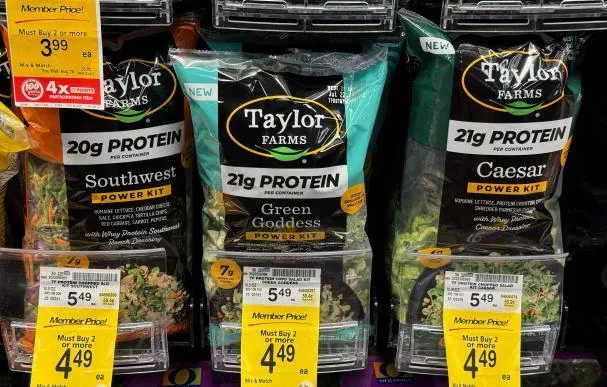
Despite this, the FDA insists that this result does not alter the course of the investigation. According to the agency, epidemiological evidence and supply chain tracing continue to point to products from Taylor Farms’ operations in central Mexico.
Read more Only six Spaniards are vying for a spot in the World Cup’s best XI, according to FIFA
Taylor Farms claims the FDA has apologized for linking it to the outbreak, but the agency has denied it. The company, however, maintains the voluntary withdrawal of all iceberg lettuce from Mexico and has announced that it will stop purchasing there for the rest of the season.
Mexico distances itself
The Mexican government, for its part, rejects that the contamination originated in its territory and reminds that there is no evidence linking it.
The Minister of Health, David Kershenobich, assured that inspections carried out in the state of Guanajuato have not found evidence of contamination by this parasite linking the outbreak to local producers, although he affirmed that authorities continue to investigate and maintain preventive measures.
What can happen now?
Experts believe that new diagnoses will continue to appear, but this does not necessarily mean that the outbreak continues to expand: cyclosporiasis is a seasonal disease and its incidence increases significantly in the warm months of spring and summer.
This year, moreover, greater awareness among doctors and patients is favoring more specific tests being requested to detect Cyclospora.
Last week, the CDC themselves urged doctors to offer tests to patients with pre-existing health problems in whom the disease can be more severe, to ensure they have rapid access to antibiotic treatment.
Read more They arrest the alleged hitman who shot and killed a minor in Barcelona’s Pegaso park