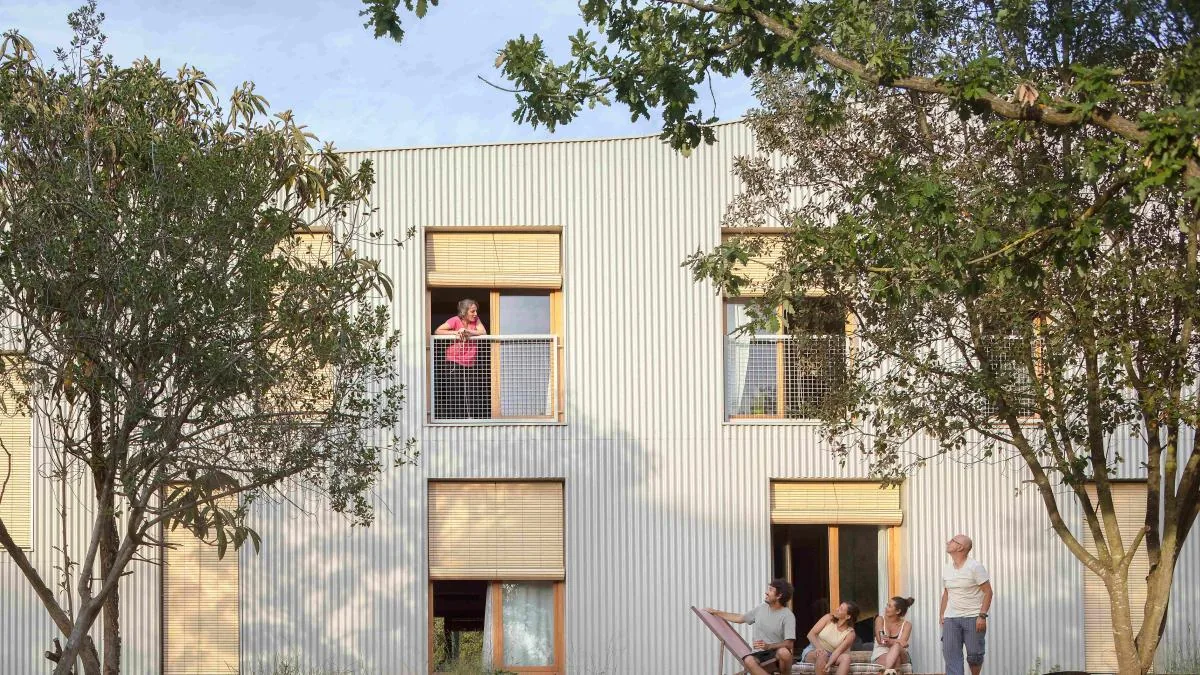
The housing problem is driving the search for alternative solutions, such as the promotion of properties managed by cooperatives, following the experience of countries like Switzerland, Denmark, and Uruguay. Catalonia, the main community implementing the model in Spain, has 71 cooperative housing projects under use transfer in the last decade, more than half of which are currently in project or under construction. The total amounts to 1,218 apartments, most of them protected.
Read more More than 440 km of range and sporty DNA: this is the new 100% electric CUPRA Raval
This model facilitates access to housing, mainly thanks to cost savings, as it can be up to 40% cheaper than on the free market. Its main drawback is that the property cannot be inherited or become part of the family estate because ownership corresponds to the cooperative that manages it and not to the person who resides in it, who has the right of use indefinitely.
According to data provided by the Deanery of Registrars of Catalonia, it is an emerging alternative, as there are only 1,508 homes in the hands of cooperatives, 77% of them in the province of Barcelona. Despite this, the cooperative sector agrees that social interest in the model has grown significantly in recent years. The greatest demand is reflected in the strong increase in cooperative members – around 600 in a single year – of the entity that manages half of the projects, Sostre Cívic, with 2,600 members.
Typology
Most of the housing under use transfer being promoted will be officially protected
Its communications manager, José Téllez, explains that “many people who have been excluded from the rental and purchase market have found in this type of housing an affordable and stable solution, as use transfer contracts are for life,” with the possibility of transfer in some cases. At the same time, promotions in the final phase are increasing. “In the coming months, hundreds of cooperative homes will be delivered to their members in Barcelona (among other municipalities), consolidating a growth trend in the sector,” adds Jordà Escolà, coordinator of the Federació de Cooperatives d’Habitatges de Catalunya. In this regard, it is expected that between this year and next, nine projects will be completed, providing members with 309 homes, the vast majority (70%) of which are protected.
Read more The classic Van der Poel festival
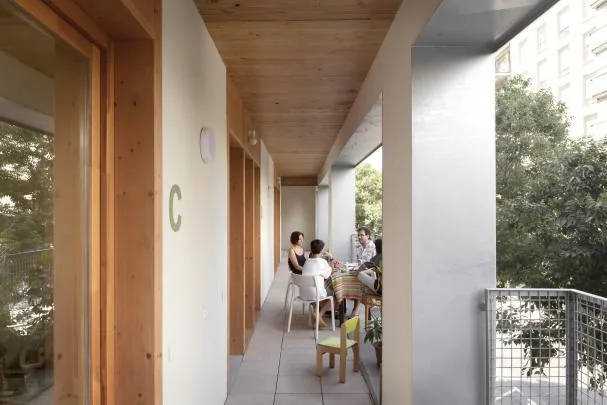
Among the main obstacles, Ana Fernández, founder of the cooperative Col·lab, highlights “the long process required to complete a new promotion, which on average takes five years to materialize.” The journey begins with the formation of the group of members who will make up the cooperative, a step that, she explains, “involves sharing a social and life project in common.” From there, it continues with the search for land and culminates with the construction of the building. Added to all this is the administrative bureaucracy, which is “a major hurdle,” according to Fernández.
Entry cost
The model allows access to an apartment with an initial contribution between 2,000 and 20,000 euros
Each project requires an initial financial contribution from each member, which in protected housing – thanks to financing and public aid – ranges between 2,000 and 20,000 euros depending on the size and whether it is new or rehabilitated. An amount that will be refunded if the member decides to leave the apartment.
Regarding access requirements, in protected housing aspects such as family unit income and whether the applicant owns another home are taken into account. The cooperative also requires demonstrating economic capacity to meet monthly fees, which are usually lower than rent, and community service expenses.
Read more Lactate, the new magic potion to improve performance in the Tour