The indictment of former president José Luis Rodríguez Zapatero for alleged influence peddling in the Plus Ultra case brings to the table a debate that has not been resolved in Spain: what can former presidents do to make a living when they leave Moncloa? The reality today is that they can basically do the same as any other citizen, but with a much superior network of contacts and capacity for influence. The statute of former presidents is regulated by a minimal royal decree, which imposes no obligations, no incompatibilities, nor restricts their private activities beyond the legal limits that apply to any citizen. And that nebulous area in which they remain is certainly an advantage, but also a risk.
Unlike the autonomous communities, which have legislated on this matter, setting the obligations and limits of former presidents in their respective territories, the State has not done so. Royal Decree 405/1992 on the statute of former presidents consists of four articles and three provisions and generally refers to protocol treatment – they will be treated as “president” and abroad may have embassy support – and the means made available to them: basically two jobs (a level 30, the highest in the Administration, and a level 18) which they freely choose and are paid for by the Presidency, an office expense allowance – in the amount determined by the General Budgets -, a car with drivers, and the security determined by the Ministry of the Interior.
Lawful or criminal activity?
“If you lobby, the activity is transparent; in influence peddling there is a spurious objective and abuse of position,” highlights Joan Ridao
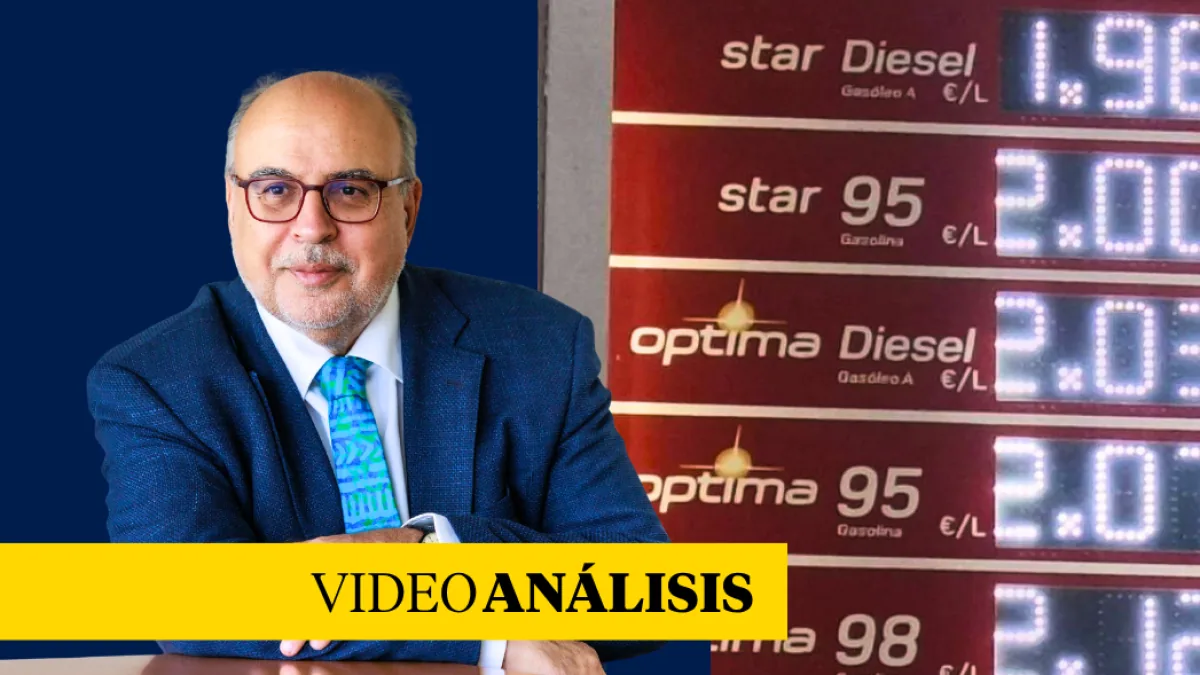
“It is undoubtedly a scant and insufficient regulation, which, unlike the 2015 regulation of senior officials, does not refer to possible private activities nor establish incompatibilities nor prevent conflicts of interest,” highlights Joan Ridao, professor of Constitutional Law at the University of Barcelona (UB) and author of three books and various monographs on lobbies.
This lack of regulation leaves former presidents in a “limbo,” says Ridao, who recalls that former ministers have indeed been subject to senior officials legislation (law 3/2015). “The situation of former presidents must be regulated and if it is decided to recognize an institutional function and compensate them economically for it, it will be necessary to determine which public benefits can be compatible,” he indicates.
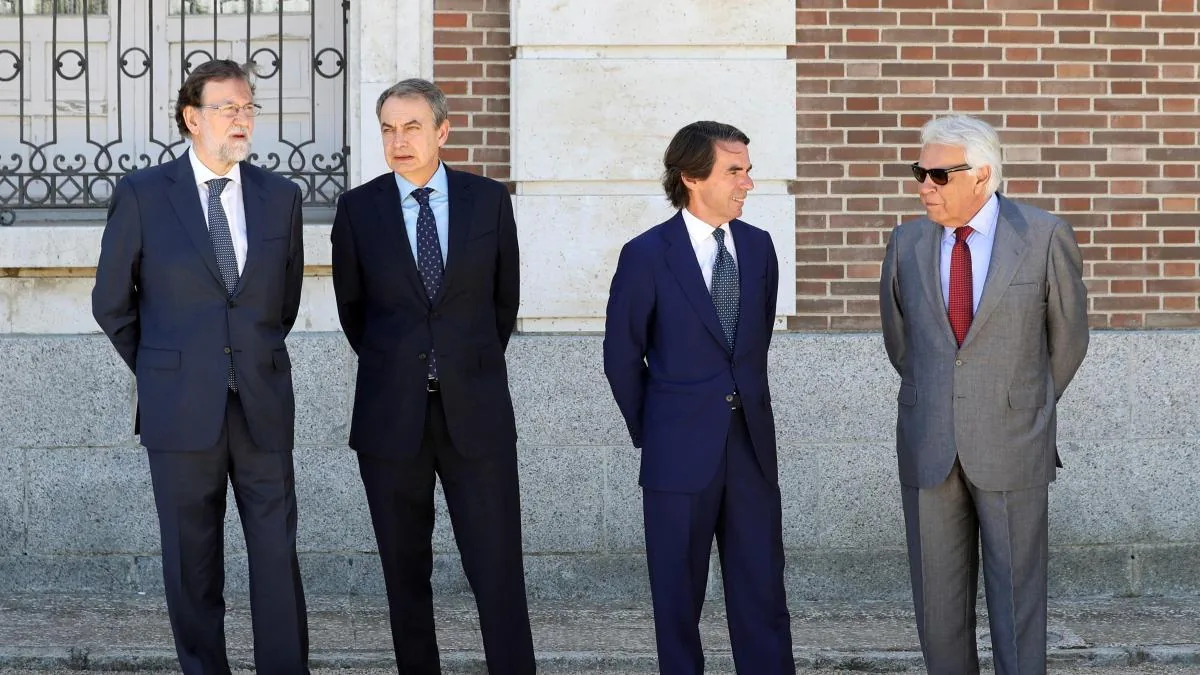
Basically, upon leaving Moncloa, a former president can choose two paths: one is to enter the Council of State as an ex officio counselor – a lifelong position, paid about 135,000 euros annually – and the other is to fend for themselves. At this moment, none of the four former heads of government – Felipe González (PSOE), José María Aznar (PP), José Luis Rodríguez Zapatero (PSOE), and Mariano Rajoy (PP) – is on the Council of State, although Aznar and Zapatero were.
Former presidents have at their disposal a lifelong and paid position on the Council of State
Whether they go to the Council of State or choose to engage in private activity, all of them are entitled to the benefits provided by the aforementioned royal decree. In recent years, with the General Budgets frozen, the allocation for office expenses and others has amounted to 298,000 euros in total, reports Ridao, so each of them would have received about 74,500 euros annually in addition. And when they retire, they are entitled to a retirement pension.
Read more Playwright Ramón Paso arrested for alleged sexual assault of a minor
Closely linked to the statute of former presidents is the need in Spain for regulation of lobby activity. The future law is currently stalled for several months in the Congress’s Finance and Public Function Committee, awaiting approval of the report in the subcommittee and then the committee’s approval of the opinion and its referral to the plenary of the Chamber. Until last week, everything indicated that it would be unblocked this week, but it has not been so.
The future lobby law has finally not been unblocked this week in Congress
Having legislation on lobbying, highlights Ridao, would “allow establishing a clear distinction between regular influence activities and those that facilitate the commission of certain criminal offenses such as bribery, malfeasance, influence peddling, or prohibited negotiations, all linked to what is generally known as corruption.”
This expert assures that the boundary between lobbying and influence peddling is not always clear. “To the extent that you lobby, you carry out a transparent influence activity. The objectives of the company or sector for which you do this activity are known and the decisions made are reflected, both in the lobby’s agenda and in the reports that must be incorporated into the provisions finally adopted, whereas in influence peddling there is a spurious or non-transparent objective.”
The determining element of this spurious character is the intensity of the pressure exerted on public decision-makers, that is, that the type of management is not limited to making known the proposals made by a certain sector, “but there is an abuse of position to obtain a certain objective.”
In any case, he emphasizes that when there is a lobby law “it will be a challenge for the criminal judge who has to apply the crime of influence peddling.”