A week after the judicial tsunami that ended a president’s prestige in minutes, I continue, like many Spaniards, wondering at what point José Luis Rodríguez Zapatero underwent such a transformation that those who knew him, we knew him, do not recognize him in Judge Calama’s ruling. Many former socialist leaders have expressed this in recent days: Felipe González, Javier Solana, García Page, Elena Valenciano, Susana Díaz, and surely those from other parties think the same, even if they do not express it.
Read more Is Spain corrupt?
It is still hard for me, but I will have to admit that, even with all the presumption of innocence ahead, things look bad. I wonder how a former president like Zapatero, who can show a good track record, equal marriage, express divorce, the reform of the abortion law, the 400-euro aid to the unemployed who had exhausted their unemployment coverage, the anti-smoking law, can now be involved in an investigation for supposedly being the leader of a plot dedicated to influence peddling and money laundering. I believe that not even those who did not look favorably on his approach to the Maduro regime could suspect any of this.
Sánchez must explain his relationship with former president Zapatero in recent times
Where is the president who in 2010, and to tackle the 2008 crisis – which is true he saw late, just as he immediately appreciated some green shoots that were not there – did what a president must do when things get bad, very bad: Take the measures required of Spain to receive aid. Zapatero, trapped in a crisis that took down many governments in Europe, took harsh measures, very harsh, to avoid having to adopt others later that involved harsher sacrifices, as happened in Greece or Portugal. He summed it up in a phrase in the Congress of Deputies: “I am going to exercise my responsibility and follow the path, whatever it costs and whatever it costs me.”
A few months later, Zapatero ceased to be president and the PSOE lost the elections. He joined the list of “Chinese vases,” as Felipe González calls former presidents, because they are very beautiful but no one knows what to do with them. With Zapatero, it seemed different. A former president without prominence, who did not engage in business and was part of the Council of State. It suited him. Almost no one knew about him until he reappeared on the political scene alongside Pedro Sánchez. Very few, it seems, knew about his business dealings, but the prominence he assumed turned the spotlight on him. His closeness to Pedro Sánchez must now be explained by the current president. To what extent was he a trusted person and advised him as president, as secretary general of the PSOE? He cannot give explanations to the citizens because he is involved in a judicial case. His lawyer will tell him to only speak before the judge, and he will do well.
Read more The lifting of the secrecy of the summary opens a new scenario for Zapatero
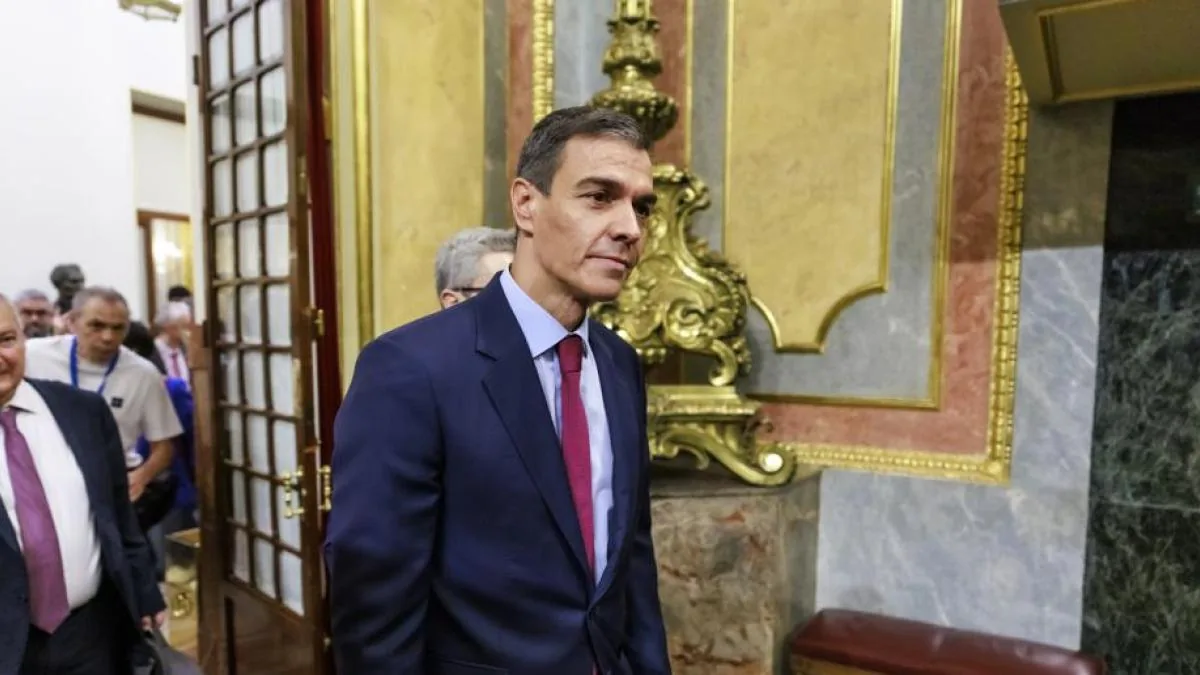
But the current president, Pedro Sánchez, must give explanations. Not for the crimes allegedly committed by the former president, but for his relationship with him in recent times. If the Council of Ministers approved the rescue – granting two loans – to Plus Ultra, to what extent did the relationship between the two presidents influence considering this company strategic. It is not enough to appeal to the presumption of innocence, which all parties invoke when one of their own is affected, but forget when the affected is from the other party. One cannot continue appealing to lawfare as the Government partners have done, and even invent imaginary enemies and say that the United States provided information about Zapatero in the investigation because it has an interest in provoking a government crisis in Spain.
Given this situation, what can be asked of Zapatero is that he explain himself on the 2nd before the judge, “whatever it costs him.”
Read more The longest night of Barça: party in Oslo, speeches by Alexia, and celebration with the fans