On May 22, 1976, a team of professionals from the pediatrics and hematology services at the Sant Pau hospital carried out the first bone marrow transplant in Spain. Tomorrow marks the 50th anniversary of this milestone, and the Barcelona hospital has scheduled various commemorative events.
Read more The beer that promises to revolutionize your microbiota already exists (and it’s Spanish)
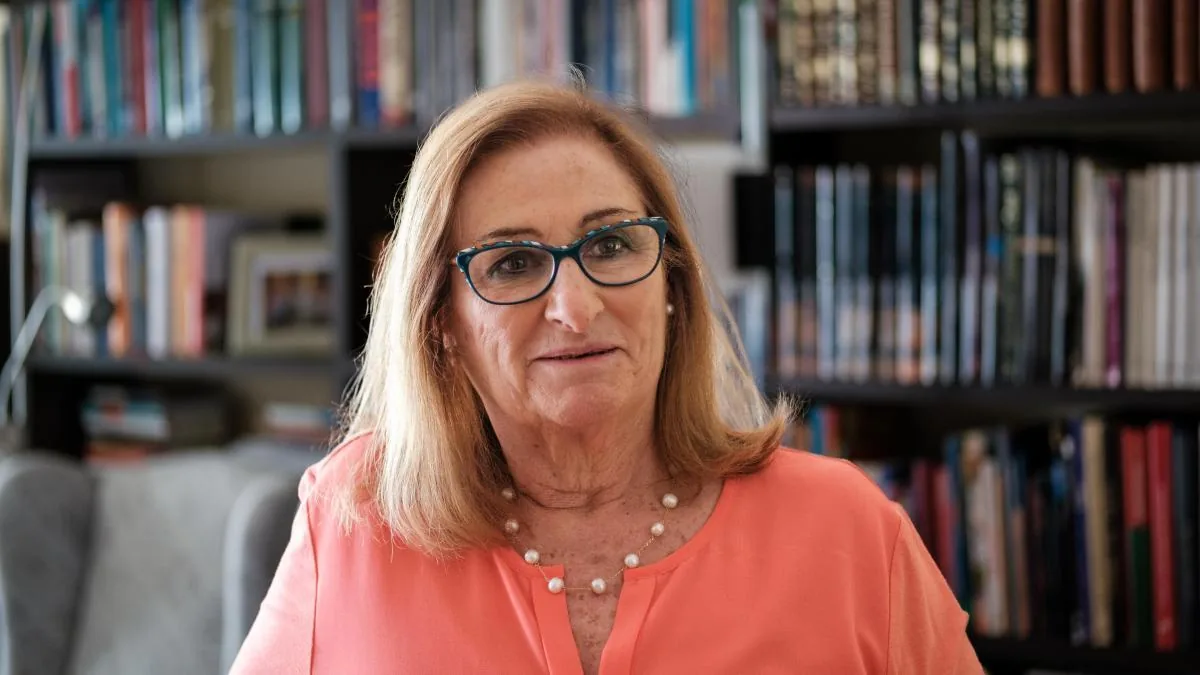
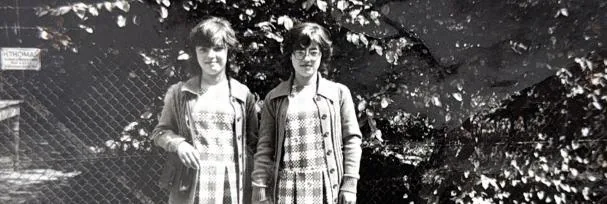
Isabel Badell (Barcelona, 1951), then a young resident, was part of the team led by hematologist Andreu Domingo and pediatrician Josep Cubells. The patient, Modesta Álvarez, a 13-year-old girl with acute leukemia, received bone marrow from her twin sister, Teresa.
The procedure was a success. The patient was cured, but relapsed after 5 months, her mother refused a second transplant, and she died after a year. “A few years later it was found that twin transplants had a higher chance of relapse,” laments Badell. In these 50 years, Sant Pau has become a benchmark. More than 4,000 transplants have been performed there, about 600 of which were pediatric. In Spain, 3,619 last year.
How is the decision made to proceed with the transplant?
It was a girl with very severe leukemia, she had no chance of being cured if we didn’t change her marrow. Dr. Cubells, who did everything possible for his patients, spoke with Dr. Domingo, who was his hematology consultant, and he proposed the transplant. It was immediately set in motion. A team performed the bone marrow extraction using the same type of needles used for marrow exams, but instead of a single puncture, about a hundred were made.
Now no patient who requires it is left without a bone marrow transplant”
How did you experience it?
As a magnificent experience. I had a degree in Medicine and was doing my residency, and this marked my career. My training was first as a pediatrician, then in hematology, and I decided to do pediatric hepatology [she founded and presided over the Spanish Society of Pediatric Hematology and the Spanish Society of Pediatric Hematology and Oncology] I would say from that milestone onward.
Are you satisfied to have participated in a pioneering experience?
It was wonderful. During the transplant, the patient only had a fever with the administration of chemotherapy and had no infections, with the few resources we had. At that time, we didn’t have isolation chambers, but the isolation and hygiene measures we established prevented the patient from getting infected. The procedure was a success.
Also read
How did the girl progress?
She was in remission for five months and was able to live a normal life. Unfortunately, she relapsed after a year. A few years later it was found that twin transplants had a higher chance of relapse because the implanted cells are not recognized as foreign. It is very good for genetic diseases, but not for leukemia or neoplastic disease.
Did you have any feeling of failure?
It was not a failure. Failure would have been if the leukemia had not been eradicated, which it was, if it had not been implanted, if complications had occurred, or if the patient had died during the procedure or had not lived the five months she lived in perfect condition until she relapsed.
Read more The anteater cub “Womble” gets used to its new environment
Did you consider a second transplant?
The mother decided she did not want to do a second transplant and risk the donor. It also would not have worked, because since the donor was a monozygotic twin sister, she would have relapsed again. Nowadays, we would not choose a twin for leukemia, and yes, we transplant a patient twice, or first do a transplant and then immunotherapy. Soon I will see a boy whom I have transplanted twice: first bone marrow and then peripheral blood. The first transplant lasted only one year and the second has lasted 19. He had acute myeloblastic leukemia and is cured.
How has the transplant evolved in 50 years?
We have improved many things. Before, when we wanted to do a platelet transfusion, we had to draw blood from the donor, separate the platelets, and they had to be infused within 24 hours. We could not preserve them; everything had to be prepared on the spot. Nowadays, we always have availability of blood, platelets, plasma… there is a stock of units that allows us to do the transplant without any problem. On the other hand, isolation, preparatory treatment, measures to prevent rejection, and graft-versus-host disease have improved.
More than 4,000 procedures have been performed at Sant Pau, about 600 pediatric”
Has survival improved this way?
It depends on the underlying disease, the patient’s previous condition, whether it is an early or advanced stage of neoplastic disease or the genetic disease they have. Overall, in our center [Sant Pau], the survival rate in the last six years for allogeneic transplants, that is, from a donor, is 78%, when at the beginning it was 40%.
Has it become an almost routine practice?
Not exactly. In adults, diseases are more monothematic, all are acute or chronic leukemias or lymphoproliferative syndromes, but in children there are also many genetic pathologies and each transplant involves different conditioning, different subsequent treatment… they are not all the same.
The first transplant was a success, but the patient, a 13-year-old girl, relapsed after five months and eventually died
When does bone marrow transplant stop being experimental and become normalized?
In our center, and also in the Clínic hospital, which did the second transplant and also had a continuous trajectory, it was in the mid-eighties. Preparation strategies, support measures, antiviral, antifungal treatment, antibiotics… have changed. It is far superior to what we had 50 years ago. Now no patient who requires a transplant is left without one.
Read more The empire of Kang that threatens Barça