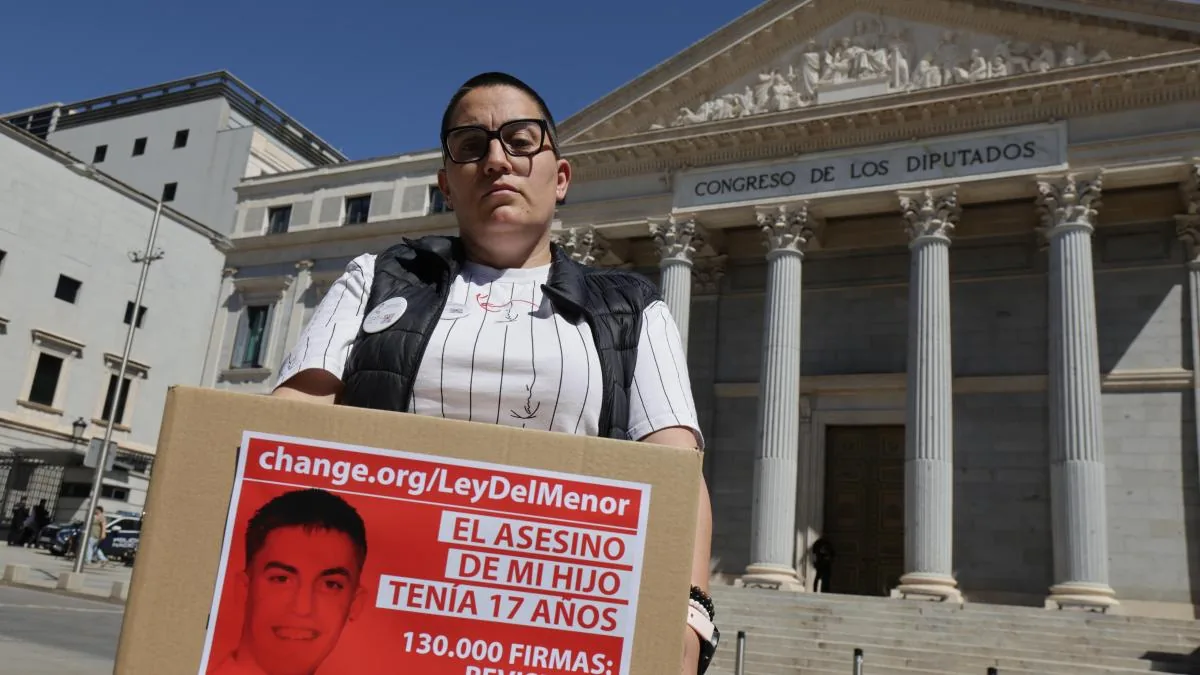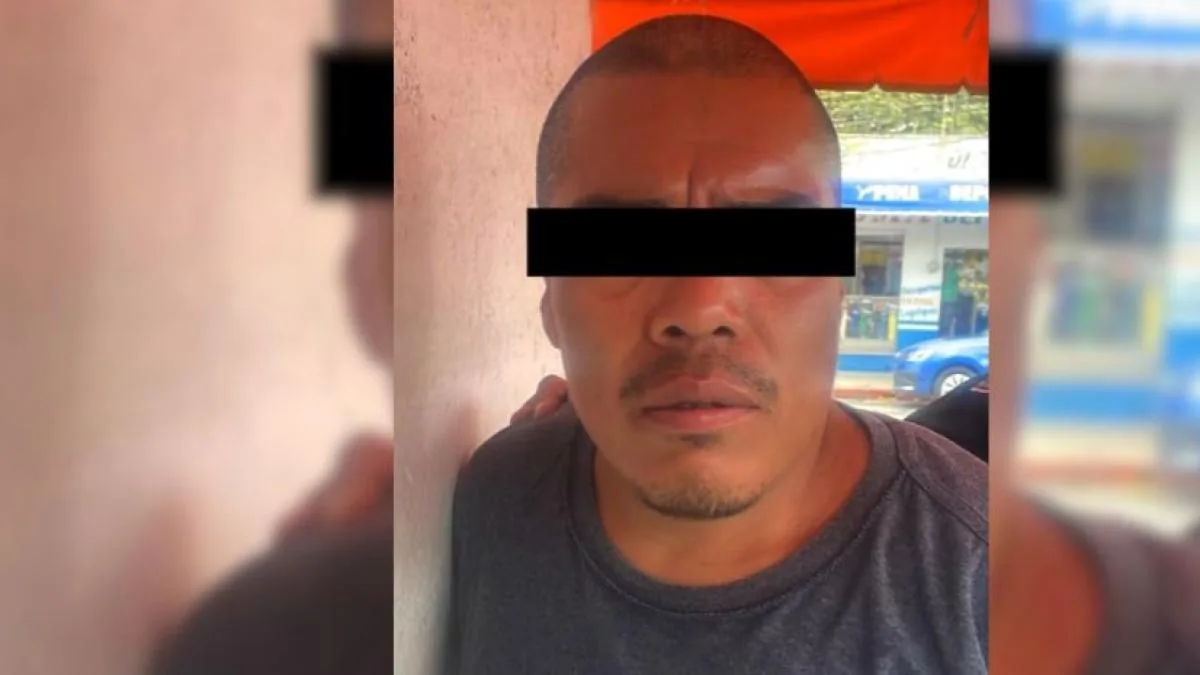
In Figueres and in many sectors of the citizenry, there is a feeling that Kimberli’s death could have been avoided. The woman died stabbed this Tuesday at the hands of her ex-partner, a man who had been convicted just 24 hours earlier for abuse and who was subject to a restraining order that he broke up to twice in one day with the result that is already known.
Read more When chaos rules
The first to raise his voice was the mayor of Figueres, Jordi Masquef, on the same Tuesday, shortly after the crime, indicating that “something had failed.” Today Wednesday, after the minute of silence condemning the events, he insisted on the same idea and announced that the City Council will appear as a popular accusation in the case.
The aggressor was convicted of abuse and arrested a few hours later for hitting his ex-partner
“Yesterday’s murder must lead us to reflect and ask ourselves why the system failed a person who had asked for protection,” said the mayor, a trained lawyer. The spokesperson for the Espai d’Intercanvi Feminista de l’Empordà, Judit Romero, also criticized the system and demanded “answers” to know which part of the protocol had not worked.
The case, which is under secrecy of proceedings, involves a chain of actions that did not sufficiently protect Kimberli, a 33-year-old transgender woman of Honduran origin, who died at the hands of her former partner, a 48-year-old Spanish man with several police records. Neighborhood sources not confirmed by the police suggest that he had served a prison sentence for a homicide crime.
According to the chronology of the High Court of Justice of Catalonia (TSJC), which was made public on Tuesday night, between Monday morning and Tuesday at 2:45 p.m., the time of the crime, there was a concatenation of events and actions that still leave many unanswered questions.
On Monday morning, a fast trial was held against the alleged murderer, Andrés R., for a crime of abuse against the victim, which had allegedly occurred days before. The hearing ended with the imposition of a plea agreement penalty for abuse of six months in prison, a restraining order of 250 meters, and no contact with the victim for one year and four months.
The murder must lead us to reflect and ask ourselves why the system failed a person who had asked for protection
Jordi Masquef
Mayor of Figueres
But a few hours later he was arrested again for an alleged injury crime against the same victim, who was summoned on Tuesday morning to testify before the duty judge of plaza 5 of the instruction section of the Figueres court of first instance.
Read more The far-right minister Ben Gvir confronts the detained Flotilla activists transferred to Israel
That same day Kimberli was also summoned before the forensic doctor to evaluate the injuries she presented. The case was handled by a different judge than the one who had convicted the aggressor for abuse the day before, but both magistrates operate in the same building on Arnera street.
But the victim did not show up for the appointment. There lies one of the mysteries of the events. Why did she not attend? TSJC sources report that the woman was in the Viogén system, a tool created by the Ministry of the Interior to improve the protection of victims of gender violence in Spain.
Being in this system means that, aside from a restraining order, the victim can have free legal assistance, police protection depending on the risk level, psychological and social care, shelter resources if it is necessary to leave the home, or updated information about her procedure. What she lacked were other extraordinary measures such as an anti-abuse bracelet.
It is not known why the victim did not attend the appointment with the judge, whether it was out of fear of the aggressor or for some other reason
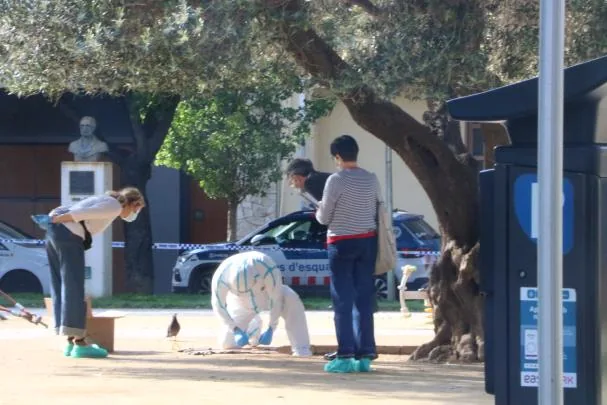
It is not known why Kimberli did not attend the appointment with the judge or the forensic doctor, whether it was out of fear of the aggressor or for some other reason, whether she had assistance to do so, or if she made use of the Viogén tools. The fact is that the judge, faced with the victim’s absence, released the aggressor, who was in the cells, and recused himself from the case in favor of court 7, which had issued the sentence for abuse the day before. The man did not even testify in judicial facilities for that arrest. A few hours later he killed Kimberli in broad daylight on the street.
Why, seeing the background and that in just hours he had broken the restraining order and assaulted his ex-partner again, did the judge not extend the detention? Judicial sources point out that he could not do so since without the victim’s statement and the forensic report, an essential medical procedure to prove the injuries, he could not prolong the deprivation of liberty. They also argue that the procedures were different, one handled by court number 7, which has jurisdiction over violence against women, and the other by the duty court. “Nothing has been done outside the law,” they say.
The judge could have requested the victim to appear again at the courts to testify and be examined by a forensic doctor another day, but probably did not have time to do so. Hours after releasing the already murderer, she died stabbed in broad daylight in a square. The judge who went to carry out the lifting of the body was the same one who had released the aggressor hours earlier.
Read more Xi and Putin call for an end to foreign interference in Latin America