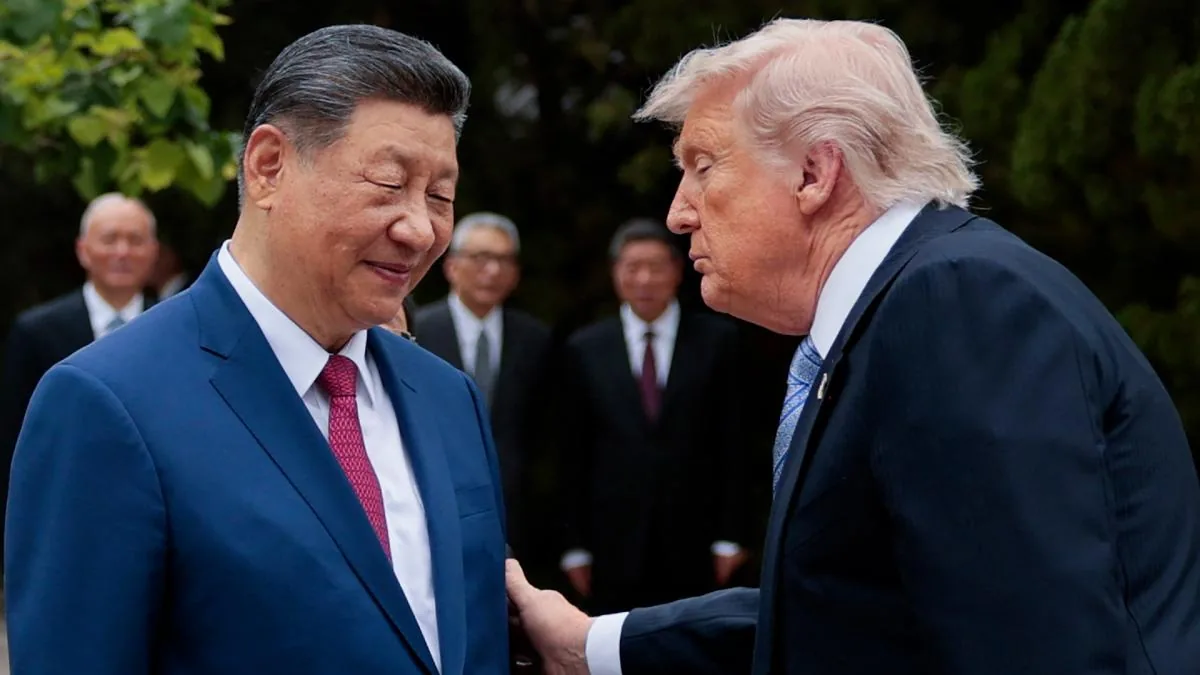
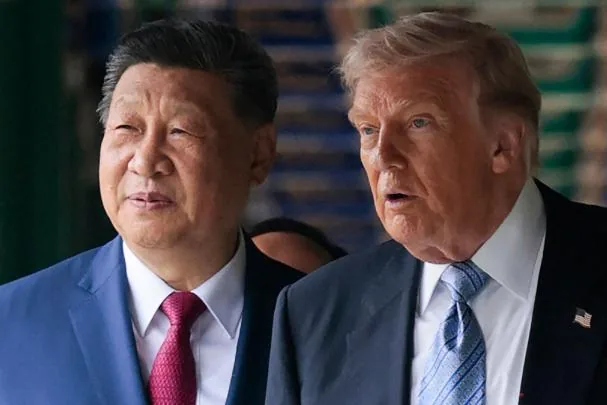
Donald Trump’s visit to Beijing, rich in symbolism and poor in specifics, has concluded. On his second and final day, this Friday, the U.S. president ventured into the gardens of Zhongnanhai, the residence of the communist nomenklatura, accompanied by Chinese President Xi Jinping. After a ceremonial tea, both headed to a working lunch with their respective delegations. After this, Trump made his way to the airport, where he was seen off at the foot of the stairs by Chinese Foreign Minister Wang Yi.
Read more Like May snow: an unexpected winter surprises the Vall d’Aran
The impressive roster of CEOs from major multinationals accompanying Trump, from Elon Musk to Jensen Huang or Tim Robbins, remains memorable. This presence might be the most notable aspect of the summit, as it seems to indicate that the industrial relocation from China to warmer shores (initiated under Trump’s first term and resumed by Joe Biden) is losing momentum. Beijing is enabling its own legal arsenal to curb it and, in any case, the Chinese market is too attractive.
Good tone
China welcomes a new “constructive stage of strategic stability”
The other news is that Trump enjoys the protocol he so willingly skips with his allies. The Chinese Foreign Ministry, in fact, highlights that the visit marks the beginning of a “constructive” stage – an adjective also used by Secretary of State Marco Rubio – “of strategic stability.”
Trump himself claims that China has committed to large purchases of beef, soybeans, and oil from the U.S., in addition to acquiring 200 Boeing units, after nine years without new orders. There is no confirmation yet from Beijing. In any case, it is worth noting that on his previous visit in 2017, he said he had secured a commitment to purchase 300 Boeing planes, which in practice resulted in fewer than a hundred deliveries due to COVID and new trade disputes.
Donald Trump also stated that Xi Jinping generally agrees with his view that Iran should not possess nuclear weapons and that the Strait of Hormuz should be reopened. The Chinese president, in fact, reportedly offered his good offices for this purpose. At the same time, with a velvet glove, during last night’s state banquet, Xi made it clear that the bilateral relationship depends on not crossing red lines in Taiwan, because a declaration of independence by the island would mean war.
Read more Maldives searches for the bodies of four Italian divers who died in a cave
Trump avoided any questions on this issue, while his Secretary of State assured that there is no policy change. Meanwhile, CIA Director John Ratcliffe was in Cuba this Thursday, an island under embargo much closer to Miami than Taiwan.
Unexpected announcement
Vladimir Putin will also visit Xi Jinping next week
Simultaneously, in New Delhi, a BRICS group meeting is taking place between yesterday and today, with the presence of Iranian Foreign Minister Abbas Araghchi, who visited Beijing two weeks ago. His Chinese counterpart, Wang Yi, did not attend India, sitting last night between Marco Rubio and the president’s son, Eric Trump. But the exchange of messages is considered certain.
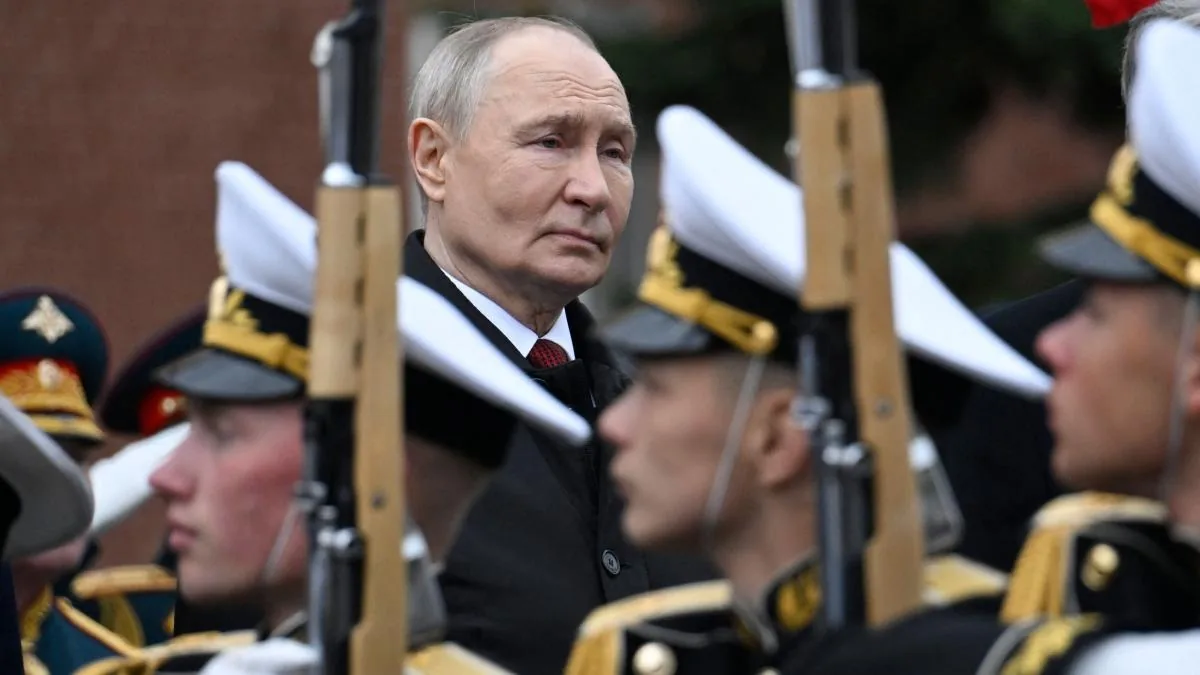
Who did attend the BRICS meeting was his Russian counterpart, Sergey Lavrov. Today it became known that President Vladimir Putin will meet in China with Xi Jinping next Wednesday, eight months after his last visit, which was never purely ceremonial. Receiving the presidents of the U.S. and Russia with less than a week apart is a wake-up call for Xi’s diplomacy. Since December, the leaders of five of the seven G7 countries have traveled to Beijing, in addition to Pedro Sánchez.
Donald Trump, for his part, invited Xi Jinping last night to visit the White House on September 24, shortly before the UN General Assembly.
Read more From Lamine’s loves to Macron’s slap