The European Union is in the midst of negotiating its budget for the next seven years. The goal is not only to balance income and expenses but to ensure that political priorities have the necessary resources to be carried out. One of the key issues is decarbonization; the EU aims to be emission-neutral by 2050 and, to achieve this, it promotes electrification plans, investments in renewable energies, and prioritizes sustainable mobility. But transport is not just road or rail; European ports claim their role.
Read more The ‘game’ of identities: the battles of ‘farming aura’ triumph among teenagers
One of the instruments with which the EU invests in decarbonization is the Connecting Europe Facility (CEF). It is a plan that prioritizes rail transport and focuses on cross-border connections, aware that investments depending on more than one Member State are always more difficult to undertake. Due to its global nature, PNV MEP Oihane Agirregoitia considers that the CEF should also “recognize the essential role of all ports, including medium and small ones.”
Barcelona facilitates the supply of alternative fuels, Bilbao has wind energy
Agirregoitia adds that “Europe has two major challenges: to be more independent regarding fossil fuels and to find new allies in the trade relations we establish.” “There, without a doubt, our entry and exit ports, both for goods and people, are strategic,” she argues in a conversation with La Vanguardia.
“There is a clear commitment from the sector to decarbonization,” says the MEP. Emission reduction in ports is not only about trade, but in recent years they have become centers for generation, storage, and supply of energy. Additionally, they contribute to ships docking at their quays also opting for renewable energies, if they have access to them.
“Ports have changed a lot, and today, ships choose one port or another based on the services you can offer them,” emphasizes Agirregoitia. Therefore, she considers that ports require “going a little further” in energy management. The same is justified by the head of environmental sustainability at the port of Barcelona, Héctor Calls, who explains that “many international companies demand certain services that help decarbonize their activity.”
Read more Zelenski escalates the conflict by warning airlines that Russian airspace is no longer safe
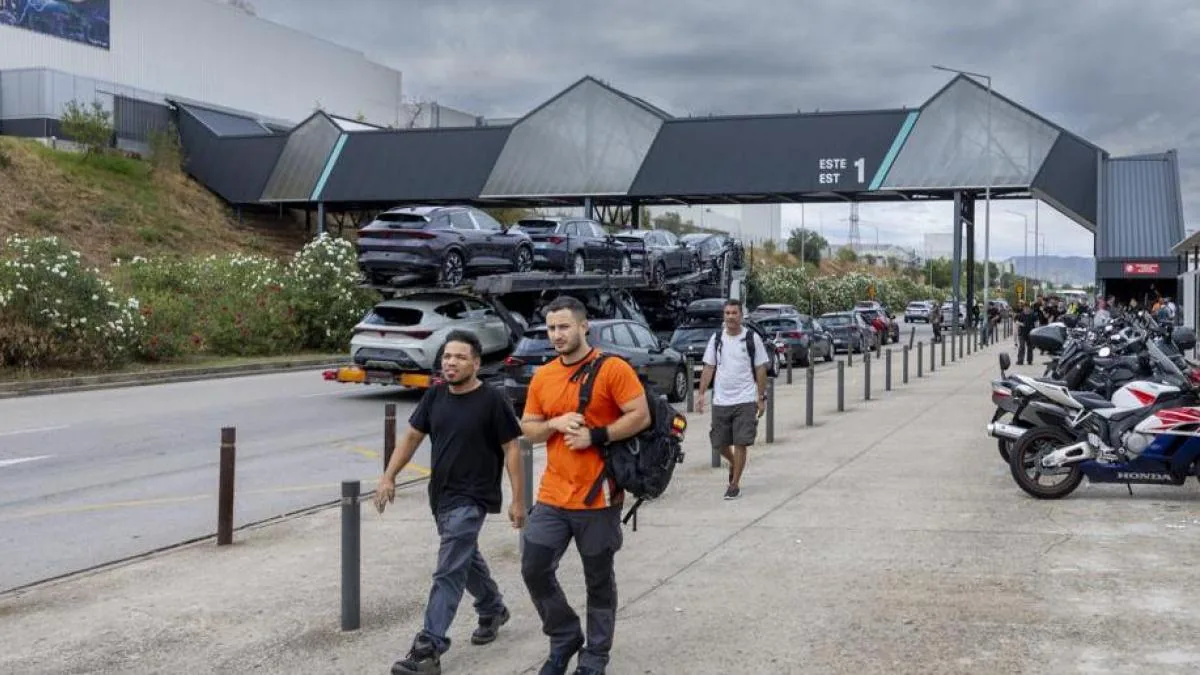
Eyes in Europe are on Rotterdam, but Barcelona is also one of the most innovative ports in Europe, along with Antwerp. As an example, the supply of alternative fuels: “We have storage facilities, infrastructure, safety protocols, and barges. We have done everything necessary for these fuels to be supplied at the port,” Calls summarizes to this newspaper. Another example is the wind energy facilities at the port of Bilbao.
But investments and long-term planning are fundamental. “The projects we have to carry out to meet all these European – emission reduction – objectives are enormous. The infrastructure of a port is something very long-term. Therefore, all planning, both of works and projects and financing, is essential,” explains the head of Sustainability.
“The function of the port is fully aligned with the EU principles today: independence, autonomy, and security,” assures Calls, who considers that with the “current energy dependencies, the port has to operate better than ever.”
Read more Lottomatica absorbs Cirsa to create the world’s second largest publicly traded gaming group