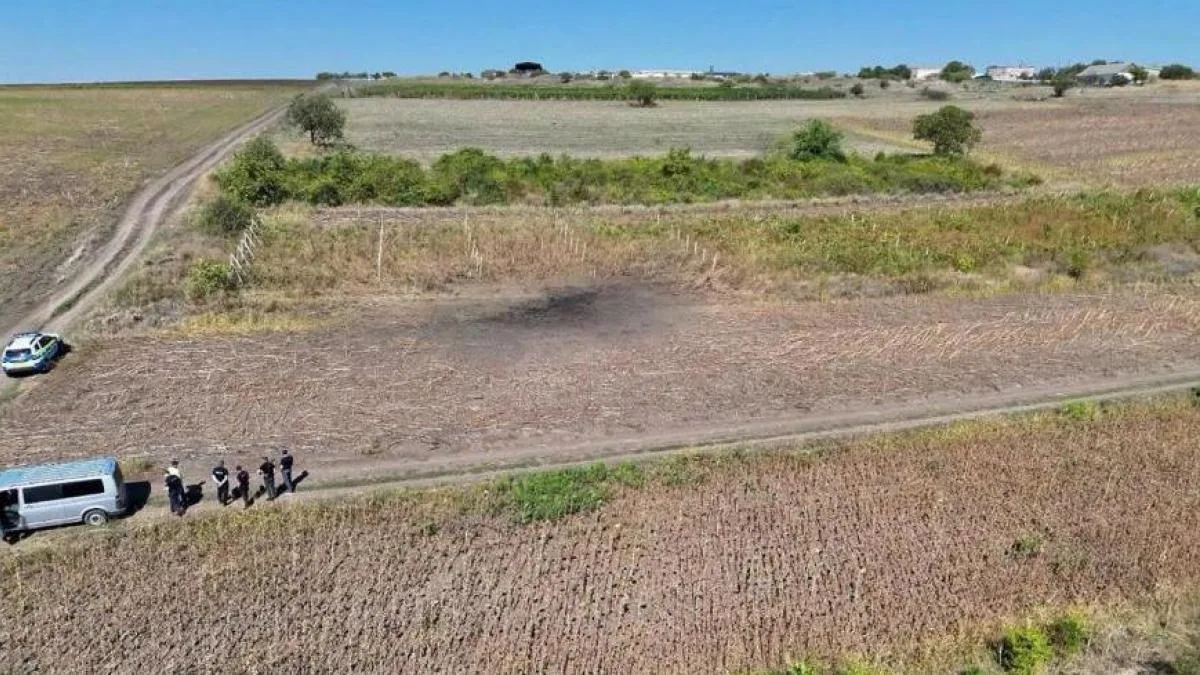
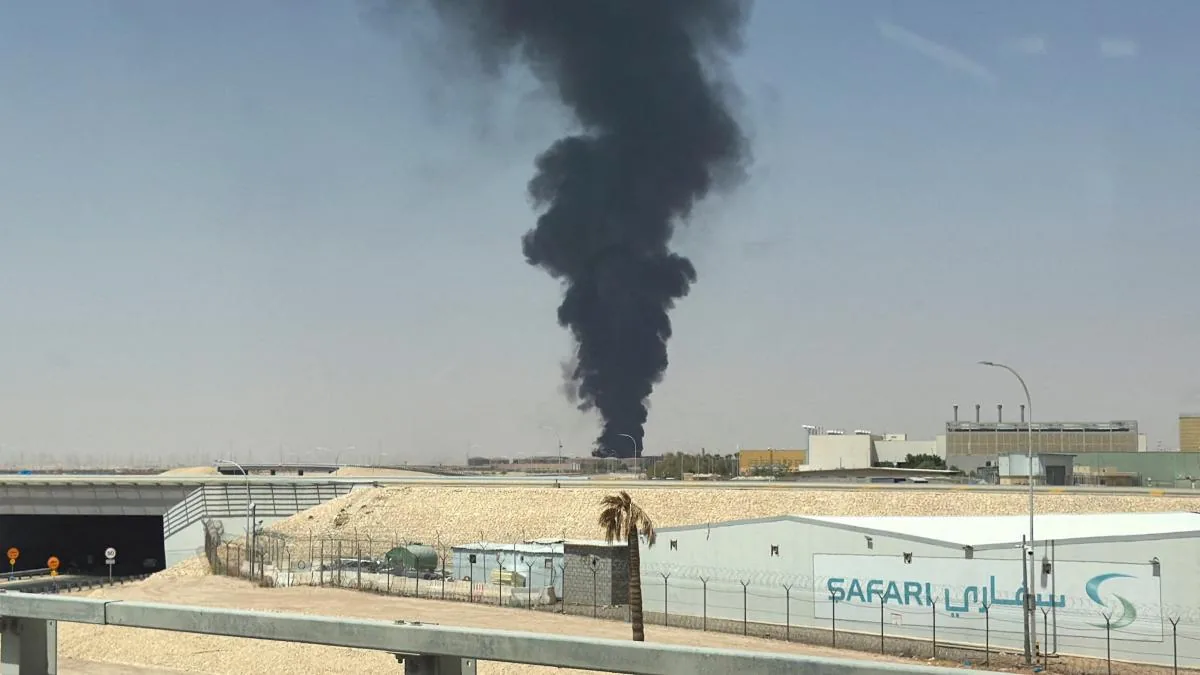
This Monday the earth opened under Valle del Cauca, in Colombia. A magnitude 7.4 earthquake, with its epicenter in San José del Palmar, shook the southwest of the country and caused significant damage in Cali, Pereira, and Quibdó, adding to the long list of tremors that have hit Latin America this year. It came weeks after a much deadlier tragedy on the west coast of Caracas, when two earthquakes separated by just 39 seconds collapsed buildings and left a death toll now around 6,000.
Read more AI and the geopolitical crisis cause a rise in youth unemployment worldwide
Although it is still early to know the full picture in Colombia, factors such as magnitude, depth, impact location, and type of infrastructure already give an idea of the human losses the country could face, and how they might differ from what was experienced in Venezuela.
A single tremor versus the ‘seismic doublet’
Although both quakes fall into the same “major” category on the seismic scale, between magnitude 7.0 and 8.0, they rarely occur in the same context. Venezuela suffered a rare ‘seismic doublet’ which caused a first shake of magnitude 7.2, and less than a minute later, another even stronger one, of magnitude 7.5. Structures that might have withstood a single hit had no chance against two.
An earthquake at greater depth
The earthquakes that shook Venezuela occurred at just 10 kilometers depth. According to the Nuclear Energy Agency (NEA), the shallower an earthquake is, the more violent the ground movement and the more victims it leaves. The Colombian earthquake, on the other hand, originated at 110 kilometers depth, according to the United States Geological Survey (USGS). Those additional hundred kilometers of rock absorbed much of the energy before it reached the surface.
A less urbanized region
Geography could be the factor that most separates these two disasters. The Colombian epicenter struck near small populations, in a region that, except for some large urban centers, remains largely unurbanized nature. The most affected city was Cali, 250 kilometers from the epicenter. Caracas, similar in size to Cali, absorbed a much more intense shake. The most affected Venezuelan communities were Caraballeda and La Guaira, in a densely urbanized coastal strip. In turn, Caracas sits on a deep sedimentary basin, a geological feature that amplifies seismic waves rather than dampening them.
A much lower number of victims
Just half an hour after the Venezuelan double earthquake, the USGS estimated a 33% probability that the death toll would exceed 10,000. That percentage has risen to 43%. There are already more than 6,300 confirmed deaths, over 60,000 hospitalized, and Venezuelan missing persons networks estimate up to 42,000 unlocated. In Colombia the tragedy is still unfolding: in the first 24 hours, Colombia reported 132 deaths, a figure expected to rise. For now, the USGS estimates a 32% probability that the country will exceed 1,000 lives lost, a number far below the predictions in Venezuela.
Better urban infrastructures
In an interview with La Vanguardia after the Caracas earthquake, Christine Goulet, director of the USGS Seismic Science Center, explained that the magnitude of destruction usually depends less on the earthquake and more on how a country builds its buildings. The affected population in Venezuela mostly lives in unreinforced brick masonry buildings, a type of structure the USGS identifies as vulnerable. In Colombia it is the same but with rammed earth walls reinforced with wood. Although both countries had vulnerable buildings, the difference is that in Venezuela the ground shook twice.
Lower economic costs
The USGS projects that the Venezuelan earthquake will wipe out between 5% and 20% of the country’s GDP. Colombia, on the other hand, could record losses below 1%, although authorities warn that the full picture is still being assessed.
For now, Colombia continues to count the cost of its own disaster. But if predictions hold, the country could avoid the kind of catastrophic loss that has devastated Venezuela this year.