Danish MPs return to work on Wednesday. On the agenda for the day is the processing of several bills, but first they will have to debate an urgent interpellation. What issue worries Danish legislators so much as to deserve that priority attention? The escalation of the hybrid offensive by their neighbor Vladimir Putin? The alarming aging of the population? The increasingly evident effects of climate change? The housing crisis that is pushing young people out of Copenhagen?
Read more Albares warns firmly from Ceuta: “Even the last person who entered will be returned”
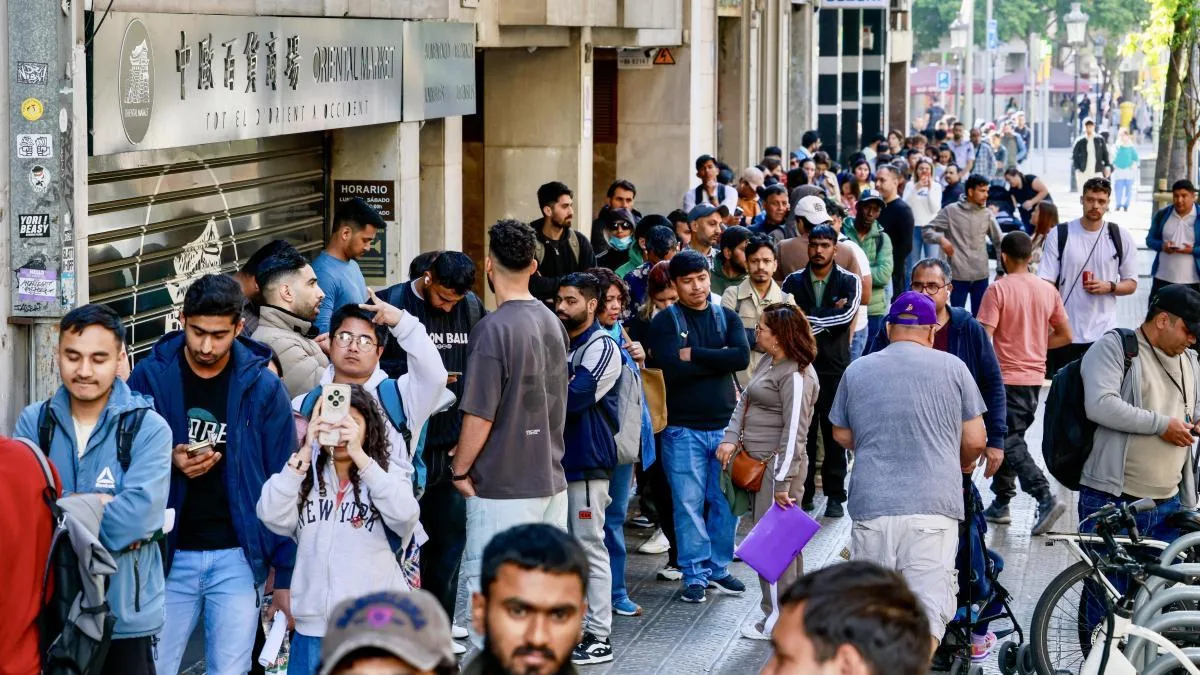
No. The priority topic in tomorrow’s session at the Folketing (the Danish parliament, which is part of that concentration of political power popularly known as Borgen ) will be to address the threat posed to Danes by the Ceuta migration crisis.

The urgent interpellation calls on the government of Social Democrat Mette Frederiksen to explain how it will protect the country from the migratory pressure resulting from the events in Ceuta and the “mass regularization” promoted by Pedro Sánchez. There will be no debate: despite her progressive affiliation, Frederiksen has made opposition to irregular immigration the central axis of her policy.
Read more Colombia intensifies rescues after the 7.4 magnitude earthquake that has already left 164 dead
Proof of this is her European leadership – shared with Giorgia Meloni – in the initiative to create, outside the EU, centers for the repatriation of migrants. The prime ministers of Denmark and Italy solemnized their reasons yesterday: “to defend the values and the Christian cultural heritage of Europe.”
Certainly, speeding up the arrival of migrants with papers while curbing uncontrolled migration must be a shared goal. But turning the localized Ceuta crisis (having accessed the autonomous city does not allow free movement through Schengen) into a risk for common security diverts attention from real threats. Threats shared by the entire EU, and not just by the two countries that yesterday decided to arrogate the right to speak on behalf of all. Challenges such as the war in Ukraine and Putin’s hostile attitude towards Europe; the resignation of the U.S. as a factor of world order; or the emergence of techno-authoritarian power, that diffuse superpower lurking in the shadows and already undermining global democratic pillars.