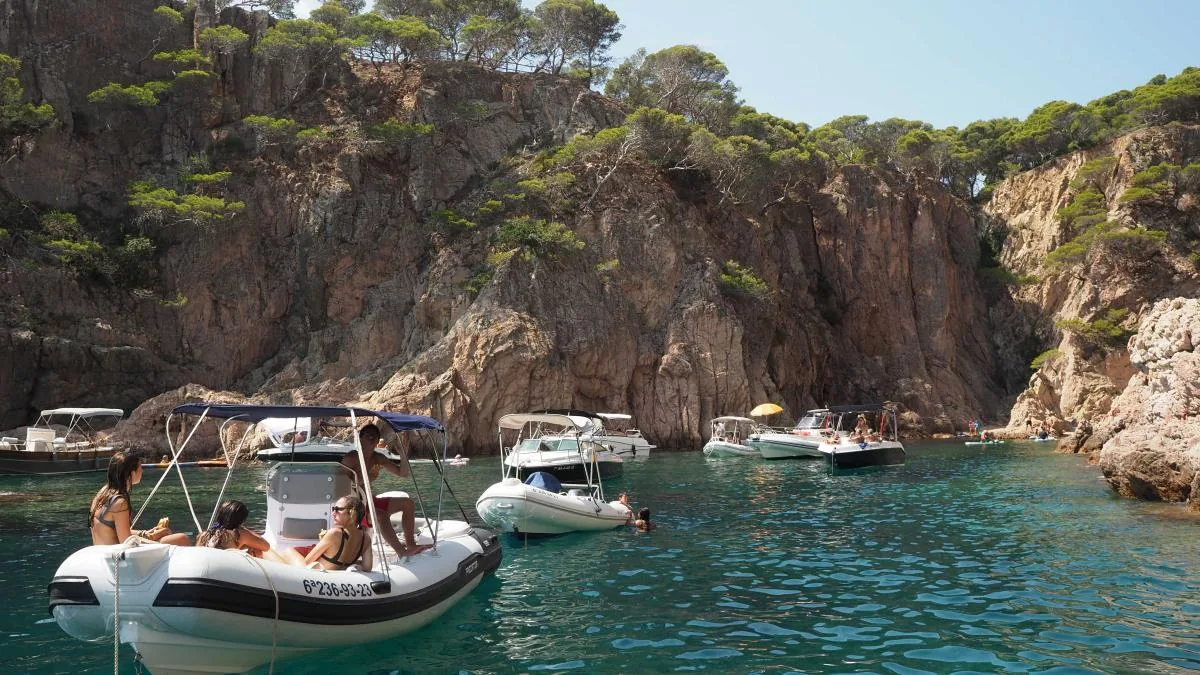
The Costa Brava concentrates much of the nautical activity of the summer in Catalonia. Between Palamós, Palafrugell, and Begur, about 3,000 boats anchor, according to recent studies. A coastal strip that sustains strong nautical and tourist pressure, with crowded beaches in summer and many boats that in high season want to anchor in postcard coves. For some time now, some town councils have reduced some anchoring spaces, which in the past had become natural shelters for recreational boats on windy days of garbí, gregal, or tramontana. They do so – they explain – basically for the safety of bathers and other users of the aquatic environment and to protect the posidonia beds.
Read more Corsican terrorism resurges and threatens the French who settle on the island
A delimitation that in many cases clashes with the interests of boat owners who consider it “excessive.” Therefore, they demand that restrictions be relaxed especially in those stretches where posidonia is nonexistent and in coves with difficult access.
“The more coves are marked with buoys, the more crowded the ones left open become,” say boat owners
The Associació de Titulars d’Embarcacions d’Esbarjo de la Costa Brava warns that “the more coves are marked with buoys, the more crowded the few left open become.” An example is El Golfet, in Palafrugell, where on days when the garbí wind blows, it seems like a real promenade. The group has developed an alternative anchoring regulation proposal for the Costa Brava that seeks “balance” and not “prohibition for the sake of prohibition.”
In this regard, they ask that the delimitation of coves with buoys separating the bathing area from the boat area be done based on the influx of bathers and the species to be protected. For example, they understand that where there is no beach, dangerous access, or posidonia, space should not be marked. They place El Crit and Vedell coves, in Mont-ras, among others, in that category.
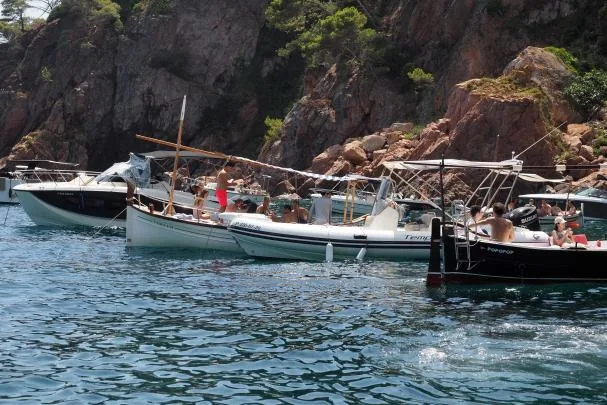
On those beaches and coves accessible by land but without posidonia, they propose “marking only the beach area and at a proportional distance depending on capacity and density.” They place cala Pedrosa, El Golfet, cala Corbs, or Aiguagelida in that category. And finally, where posidonia is present, they opt to place mooring buoys without anchoring prohibition if they are occupied. This is what they request, for example, for cala Senià, in Palamós, a refuge on tramontana days that has 30 daytime anchoring buoys but does not allow dropping the anchor.
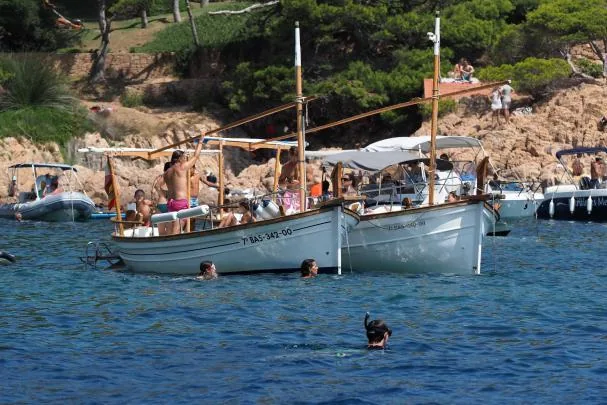
“It is about seeking a balance, where all interests can coexist,” says Marc Bundó, a summer visitor in Calella de Palafrugell. He considers it absurd that cala Pedrosa is marked with bathing buoys at a distance – he says – of 250 meters from the beach. He believes 50 meters would be enough. “When town councils close (with buoys) natural shelters, maritime traffic concentrates, and thousands of sailors are left not knowing where to go,” he points out.
Read more Italy receives, despite everything, more immigrants than Spain
More surveillance and cameras towards the sea
After the theft of buoys
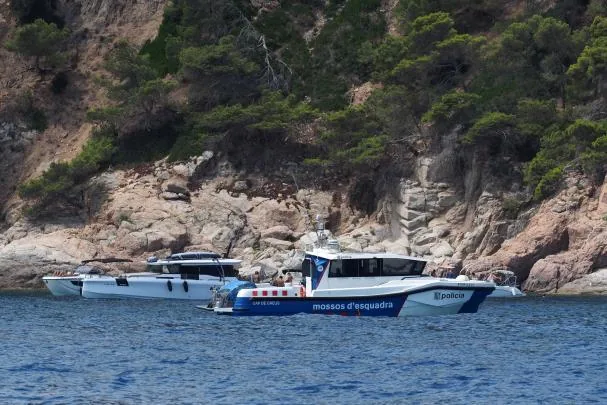
The maritime police have reinforced surveillance after in recent weeks the buoys that delimited the bathing area from the anchoring area in the Vedell and Crit coves, in Mont-ras, and cala Estreta and cala Corbs, in Palamós, have disappeared. A theft that in Mont-ras has been repeated for the last three years without anyone being caught so far. “The money invested year after year goes to the bottom of the sea, it is a lost war,” laments Mayor Vanessa Peiró and proposes the installation of surveillance cameras like the one in Cap de Creus, which allows detecting boat license plates and identifying people from a long distance. Peiró urges the Generalitat to assume this expense, unaffordable for a municipality of barely 1,700 inhabitants.
However, the Town Councils involved in managing this part of the coast are clear. The decision to place buoys in some coves is not whimsical but to preserve the environment and guarantee the safety of all users of the aquatic environment. Some municipalities like Mont-ras have invested more than 30,000 euros in the last three years in marking the wild coves of El Crit and Vedell with the sole purpose, says its mayor Vanessa Peiró, of avoiding accidents. “The day a propeller passes over a bather, we will regret it,” she points out.
In the same vein, the mayor of Palamós, Maria Puig, explains that the delimiting buoys that separate the bathing area from the anchoring area are to protect sea users – from bathers, kayak users, paddle surfers, to the boats themselves – and also to favor posidonia. Regarding the possibility of placing more daytime anchoring buoys where boats can moor, she explains that resources are limited and urges the nautical sector and other administrations to lend a hand. Although she warns: “We also cannot install buoys for anchoring excessively because no one wants to be in a crowded space.”
The day a propeller passes over a bather, we will regret it
Vanessa Peiró
Mayor of Mont-ras
For Jordi Cruz, a member of the marine environment commission of SOS Costa Brava, the coast has been “saturated” for years. The group advocates the installation of ecological buoy fields to organize anchoring and protect the seabed, as well as maintaining safety beacons that delimit bathing areas. The entity also promotes, together with other associations in Spain, an update of the Coastal and Maritime Navigation regulations, taking into account the increase in recreational boats. Among other things, they ask for a safety strip in unmarked bathing areas, a deficiency they consider leaves bathers unprotected.
Read more De la Espriella assumes the Colombian presidency in another advance of the South American hard right