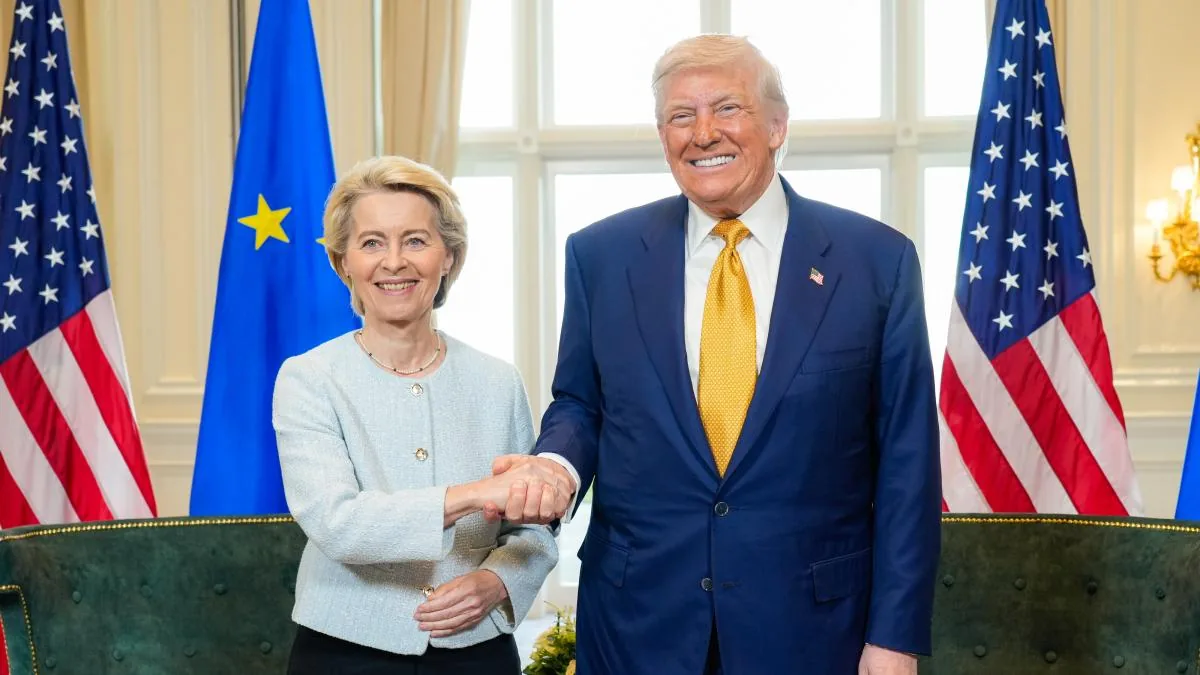
President Donald Trump announced on Friday that he will increase tariffs on vehicles from the European Union (EU) and accused the Old Continent bloc of not complying with its trade agreement with the United States.
Read more The Pentagon allies with AI giants for its classified networks and warfare
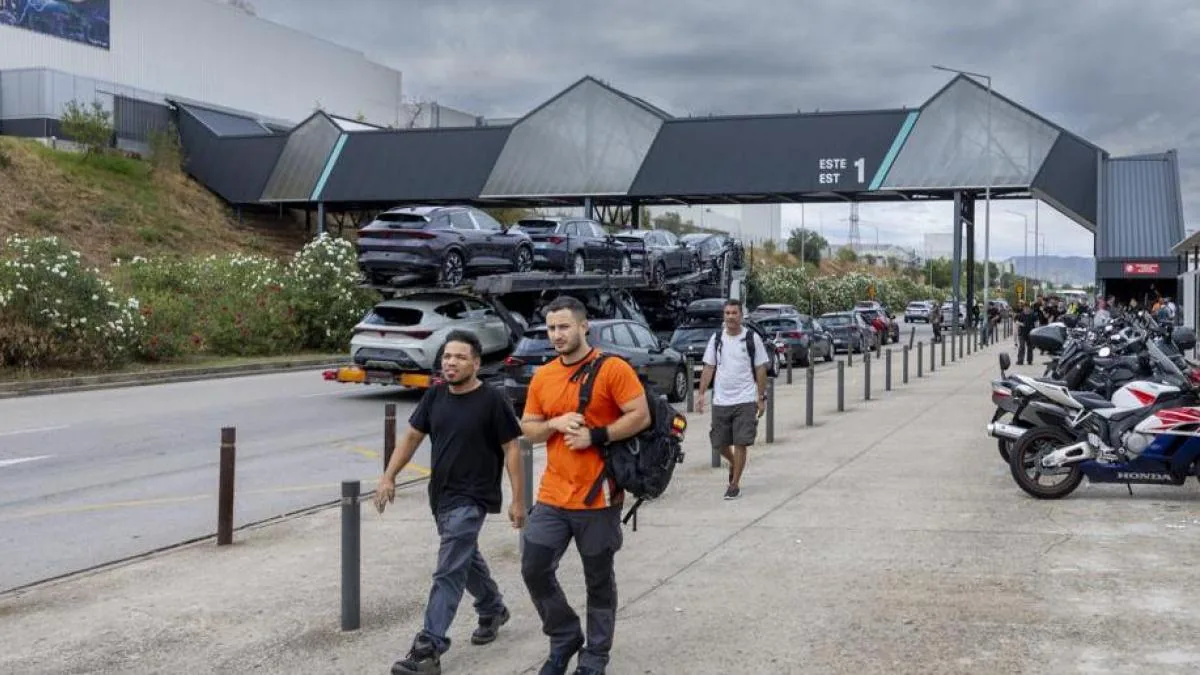
In a post on Truth Social, Trump stated that starting next week he will raise tariffs on cars and trucks entering the United States from the EU to 25%. But at no point did he specify what objections led him to that announcement.
“It is fully understood and agreed that if they produce cars and trucks in U.S. plants, THERE WILL BE NO TARIFFS,” Trump wrote on his social network, using capital letters to emphasize his message.
“Many car and truck plants are currently under construction, with more than $100 billion invested, A RECORD in the history of car and truck manufacturing,” he continued.
“These plants, with American workers, will open soon. There has never been anything like what is happening today in the United States!” he added.
Trump and the President of the European Commission, Ursula von der Leyen, announced last July a trade agreement that set tariffs at 15% for European products. The EU also agreed to purchase $750 billion worth of U.S. energy as part of that agreement.
Both the United States and the European Union had previously confirmed their commitment to maintaining the trade framework, known as the Turnberry Agreement, named after Trump’s golf course in Scotland where the two leaders met.
Read more Trump rejects Iran’s new proposal and threatens again to destroy the country
The agreement was notably lower than the 30% tariff the president had threatened to impose on the EU and avoided a trade war between the two parties.
In February, EU leaders stated they would not accept an increase in U.S. tariffs following a Supreme Court ruling against some of Trump’s broader tariffs. But these levies were set under a different legal authority and are not affected by the high court’s decision.
The new tariffs come in the context of the war in Iran, which has increased tensions between the United States and several European countries.
Trump has repeatedly criticized European NATO members for not supporting the U.S. effort against Iran, while European nations have at various times refused to allow the U.S. to use their airspace. Spain, Germany, and Italy, as well as the United Kingdom, have become the main targets of his anger.
This escalation in trade tensions also occurs as Washington seeks to persuade its allies, including those in Europe, to collaborate with it on securing critical mineral supply chains and reducing dependence on China.
Read more Zelenski announces a military reform after the release of photos of malnourished soldiers