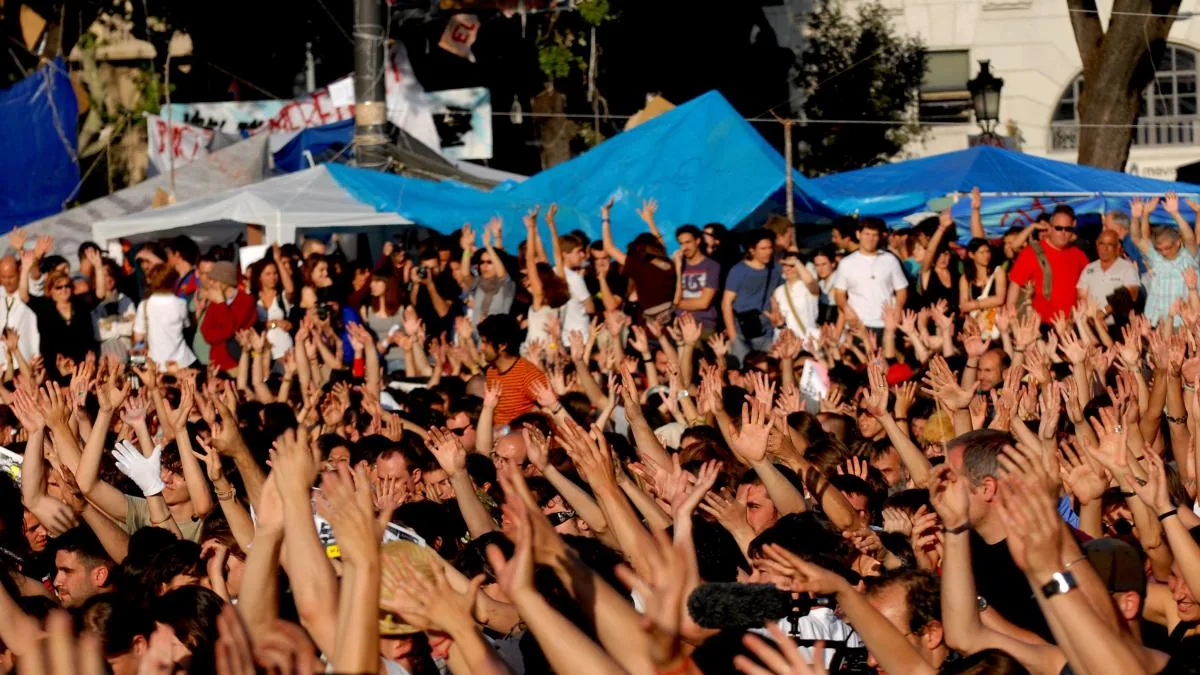
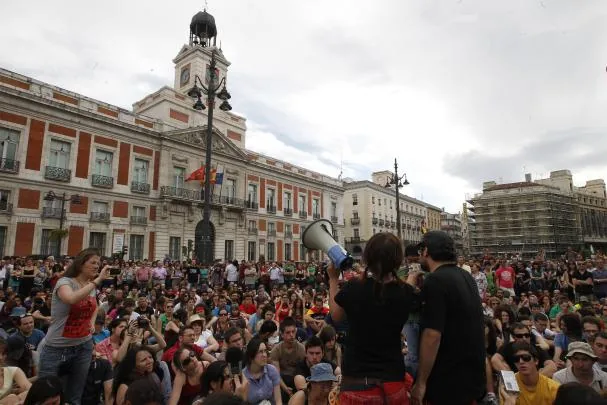
Fifteen years have passed since the most important social outbreak in democratic Spain. The 15-M emerged on a Sunday in May at Puerta del Sol in Madrid as a demonstration called via the internet, with a success that surprised even the organizers themselves. And those outraged by economic precariousness and the political system did not go home after the protest. They set up a camp that spread to Barcelona, in Plaça Catalunya, and then throughout the country. There was a willingness to participate in politics. Thousands and thousands of hours of assemblies to outline possible roadmaps turned the squares into laboratories of direct democracy. What remains today of that movement? Could it happen again?
Read more Abstention, enemy number one of the campaign
The experts consulted agree that the conditions for another 15-M are not present now, although most of the demands remain valid and the discomfort over the socioeconomic situation and the loss of trust in the political class persists.
“One of the paradoxes of those protests and what came after is that they did not achieve substantial changes, and we are paying the price for the failure of that 15-M wave. For people to protest, there has to be a reason, but it also requires a certain feeling that it is possible to achieve something by protesting, and right now there is prolonged discouragement. There is discomfort, but unlike fifteen years ago, there is resignation, there is frustration,” explains Josep Maria Antentas, Sociology professor at Universitat Ramon Llull (URL).
Josep Maria Antentas, Sociology professor, URL
“The democratic side had its chance, now another wave enters the scene”
The discomforts, this expert emphasizes, can be expressed in very different ways, and while 15-M expressed it towards demanding more democracy, if resignation and fear prevail as now, they push towards another type of discomfort, that of the far right, he points out. “The first opportunity was for the democratic side, now another wave enters the scene,” he notes, although he maintains that nothing is decided. “It seems that the most reactionary discomfort is gaining strength, but it does not have to end that way, there is still a lot of uncertainty and there may be plot twists that no one expects,” he warns.
Jordi Mir, professor and member of the Centre d’Estudis sobre Moviments Socials at Universitat Pompeu Fabra (UPF), also highlights the persistence of discomfort with politics, which 15-M did not resolve, and which today, in polls, points to a certain voting preference of part of the electorate for far-right options.
Jordi Mir, professor at Centre d’Estudis sobre Moviments Socials, UPF
“Discontent with democracy continues and is a warning to traditional parties”
“At that time there was a disenchantment with institutional politics, but there was a desire for more politics,” Mir emphasizes. Today, however, the discomfort with democracy continues and sends a warning to traditional parties or those in government: “If they are not able to make the entire population understand that democracy is a good system to live in, it is possible that part of the population, due to the wear and tear of these years and dissatisfaction with those who have governed, may open up to experimenting with other options out of ignorance or even deception,” Mir highlights.
Along the same lines, Ismael Peña-López, professor of Law and Political Science studies at Universitat Oberta de Catalunya (UOC), agrees that today that discomfort has worsened. “Politics has not responded to those demands and moreover the administration has worsened, education, health, justice, mobility and many other things that are not politics, but public policies, do not work. The demand is more alive than ever,” he highlights.
Ismael Peña-López, professor of Law and Politics studies, UOC
“Real democracy was demanded, but today much of the working class has changed sides and is anti-politics”
However, regarding the possibility of a mobilization like the one fifteen years ago repeating, he is emphatic: “It would be absolutely impossible. For three reasons: one, there has been no continuity of the movement; two, there is the feeling that it has gone nowhere, and three, it has turned 180 degrees and if then ‘real democracy now’ was demanded, now it is the chainsaw.” He adds that the movement best organized is that of the far right, populism. “There are people who stay at home and others who have changed sides, much of the working class is now anti-politics,” he maintains. “If there were a 15-M it would be a much more violent revolt, already in a nihilistic sense, to destroy institutions, not to improve them,” he warns.
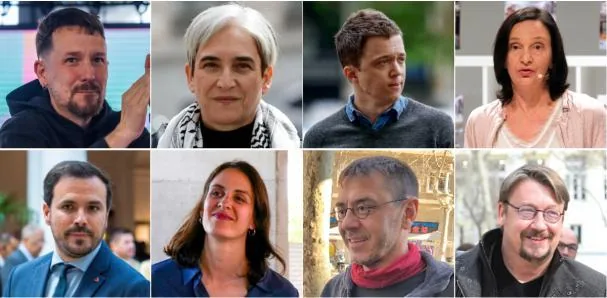
Eight protagonists of 15-M
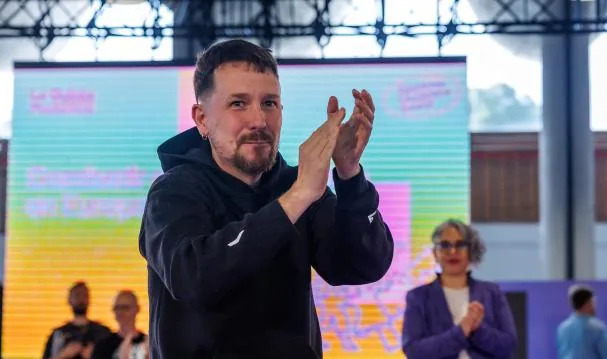
Pablo Iglesias
He led the meteoric rise of Podemos from Complutense University to becoming the second vice president of the Government, bringing the discourse of “the squares” to the Council of Ministers. He left institutional politics in 2021 but exercises a kind of external leadership of the purple party.
Read more Alberta, the province that wants to fracture Canada with the support of Washington and Moscow
Ada Colau
She embodied the leap “from the street to the institution.” Her fight against evictions made her one of the most recognizable faces of indignation. She was mayor of Barcelona between 2015 and 2023 and, still away from the front line of the Comuns, remains the greatest electoral asset of her space.
Alberto Garzón
A deputy since 2011, he led IU and was Minister of Consumer Affairs undertaking cultural and regulatory battles (gambling, healthy eating) demanded by the outraged movement. His retirement in 2023 – he works as a consultant – marked the end of a stage of left unity.
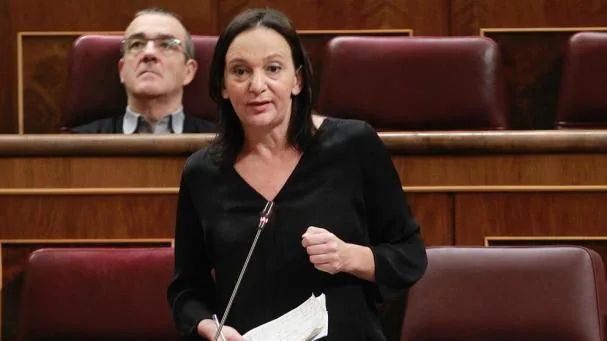
Carolina Bescansa
Podemos deputy, she brought sociological and polling rigor to understand that the country had changed. Her departure, after the battle between pablistas and errejonistas, symbolized the loss of the formation’s most moderate profile. She currently carries out academic and political analysis work.
Xavier Domènech
Although he was not a frontline activist in the camps, he did politically interpret the 15-M cycle. He led En Comú Podem in Congress and later Catalunya en Comú. He left active politics in 2018 and returned to the academic field at UAB.
Íñigo Errejón
He is considered one of the main intellectual strategists to emerge from 15-M. After co-founding Podemos, he created Más País – until its integration into Sumar – advocating a “transversal left.” In 2024 he left politics after a complaint for sexist behavior still unjudged.
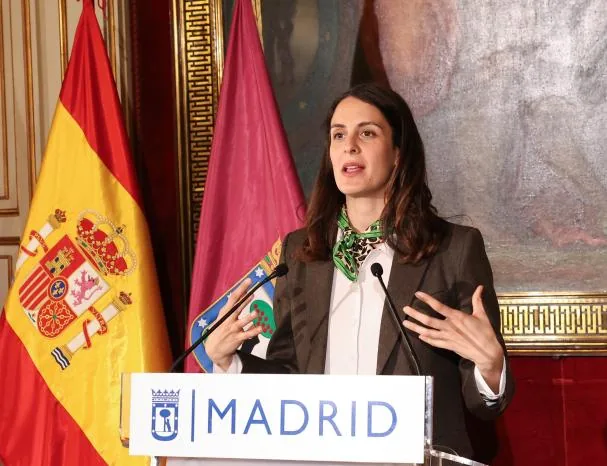
Rita Maestre
Coming from student activism, she was the effective face of Manuela Carmena’s government in the Madrid City Council until evolving towards a green and progressive pragmatism with which she has consolidated Más Madrid as the main opposition force to the PP in the capital.
Juan Carlos Monedero
Political Science professor. Although he did not emerge from plaza activism, he helped intellectually translate the 15-M’s discontent. He was key in Podemos’ growth against the “78 regime” but stepped back continuing as a political analyst and professor.