Thousands of drones, missiles, and sea mines have dynamited the perfect oil and gas export business enjoyed by the Persian Gulf, which seeks to recalibrate its alliances while the vital Strait of Hormuz remains blocked by the United States and Iran.
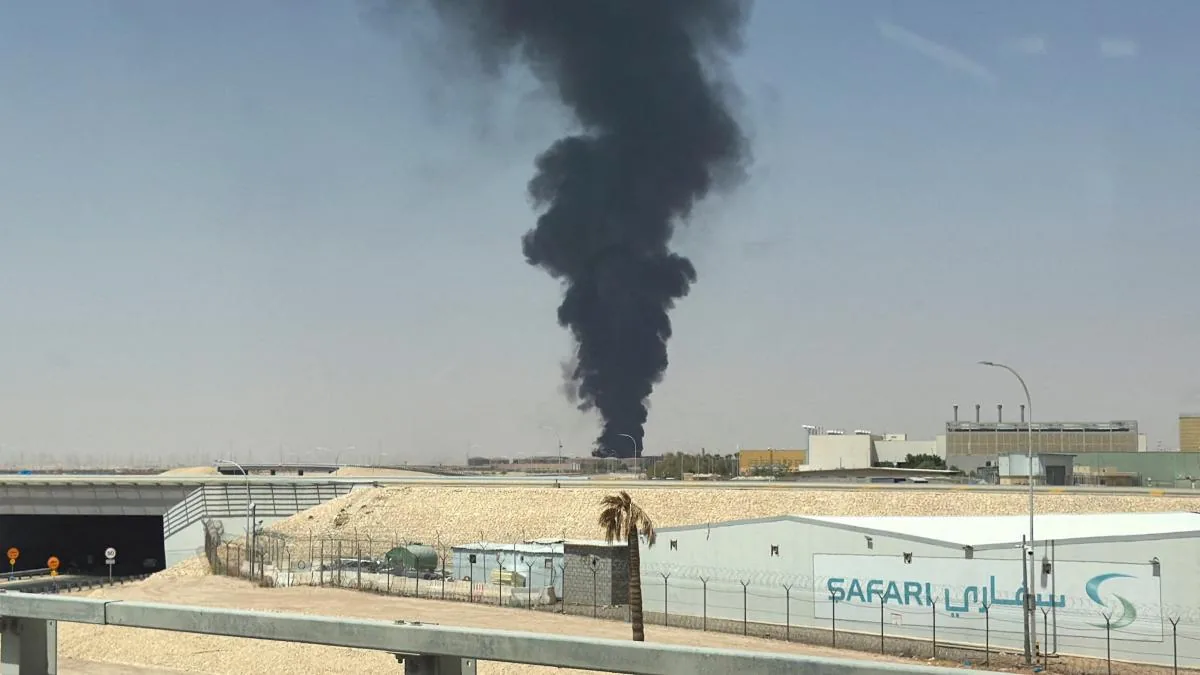
The leaders of the Arab monarchies met in person for the first time since Washington and Tel Aviv launched a joint offensive against the ayatollah regime on January 28. The war with Iran has caused damage to key energy infrastructures in the six GCC countries, in addition to affecting companies linked to the United States, civilian infrastructures, and American bases in the area.
Attacks have decreased since Washington and Tehran reached a ceasefire on April 8, although Gulf capitals remain alert to a possible resumption of the conflict, while talks between the U.S. and Iran for a permanent agreement continue without conclusive results.
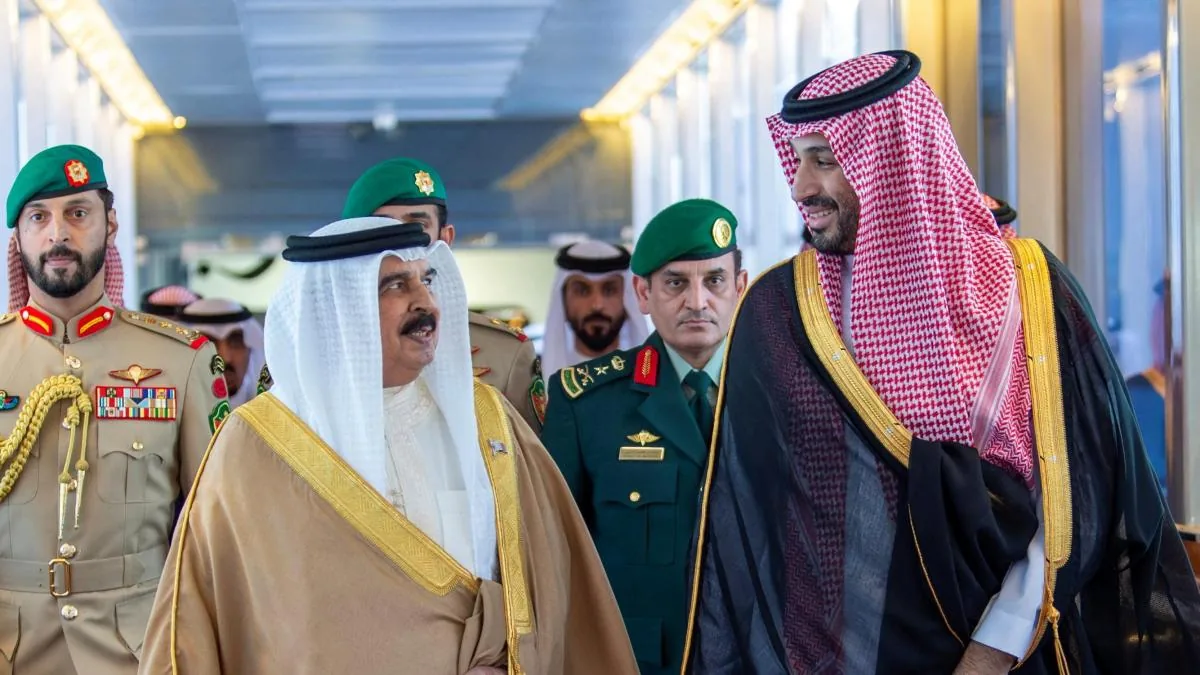
The countries of the Gulf Cooperation Council (GCC) – formed by Bahrain, Kuwait, Oman, Qatar, Saudi Arabia, and the United Arab Emirates – met in the Saudi city of Jeddah with the aim of designing a joint strategy in case the fragile indefinite truce announced by Donald Trump collapses.
In this regard, the Qatari delegation warned of the risk that “a frozen conflict” between Persians and Americans could permanently alter the main source of income for their countries. “We do not want to see a return of hostilities in the region in the short term, nor a frozen conflict that ends up reactivating every time there is a political motive,” said the spokesman for the Qatari Ministry of Foreign Affairs, Majed el Ansari.
El Ansari stressed that the diplomatic path is “the safest and most reasonable way” to end the conflict, and argued that the Gulf countries have demonstrated their effectiveness in mediation tasks. However, he also indicated that, at this moment, they have ceded the main role in the negotiation to Pakistan, which is stalled, with the Persian nuclear arsenal and the blockade of Hormuz as the main obstacles to a pact.
Conflict between Iran and the United States
Abu Dhabi and Saudi Arabia opt for belligerence, while Qatar and Oman still believe in a diplomatic solution
Differences on how to approach the conflict with Iran continue to mark the position of the Gulf monarchies. While Qatar and Oman have opted to prioritize the diplomatic path, Saudi Arabia and the United Arab Emirates (UAE) have advocated strengthening deterrence against the risk of new Iranian attacks.
Read more Rosa Peral had a plan to assault a prison official at the prison where she is serving her sentence
The Emirati monarchy – the most affected by Persian projectiles – has been the first to distance itself from its neighborhood with the decision to leave OPEC (Organization of the Petroleum Exporting Countries), a vital body for determining global oil prices.
Abu Dhabi has been very critical of the lack of coordination among Gulf countries during the war. “It is true that, logistically, the GCC countries supported each other, but politically and militarily I believe their stance has been the weakest in their history,” said senior Emirati official Anwar Gargash at a conference on Monday. “I expected such a weak position from the Arab League, and it doesn’t surprise me, but I didn’t expect it from the GCC, and it surprises me,” he added.
Despite these divergent approaches, the Jeddah meeting projected an image of cohesion and coordination among the countries, in contrast to forecasts that pointed to a divided region after months of tension.
The Gulf now looks with anticipation to Islamabad, where U.S. and Iranian delegations are called to sit down. According to Trump’s latest social media message, Iran has informed him that it is in a “state of collapse” and was trying to resolve its leadership situation. Tehran, as usual, gave a completely contrary version: the Persians consider that “the state of war” is still in effect, and that “the U.S. is no longer in a position to dictate its policy to independent nations.”
In this context of absolute uncertainty, the Arab monarchies are seeking an urgent solution to avoid finding themselves in the middle of the crossfire again.
Read more Niubó denies security problems in the face of the ‘mossos’ plan in institutes