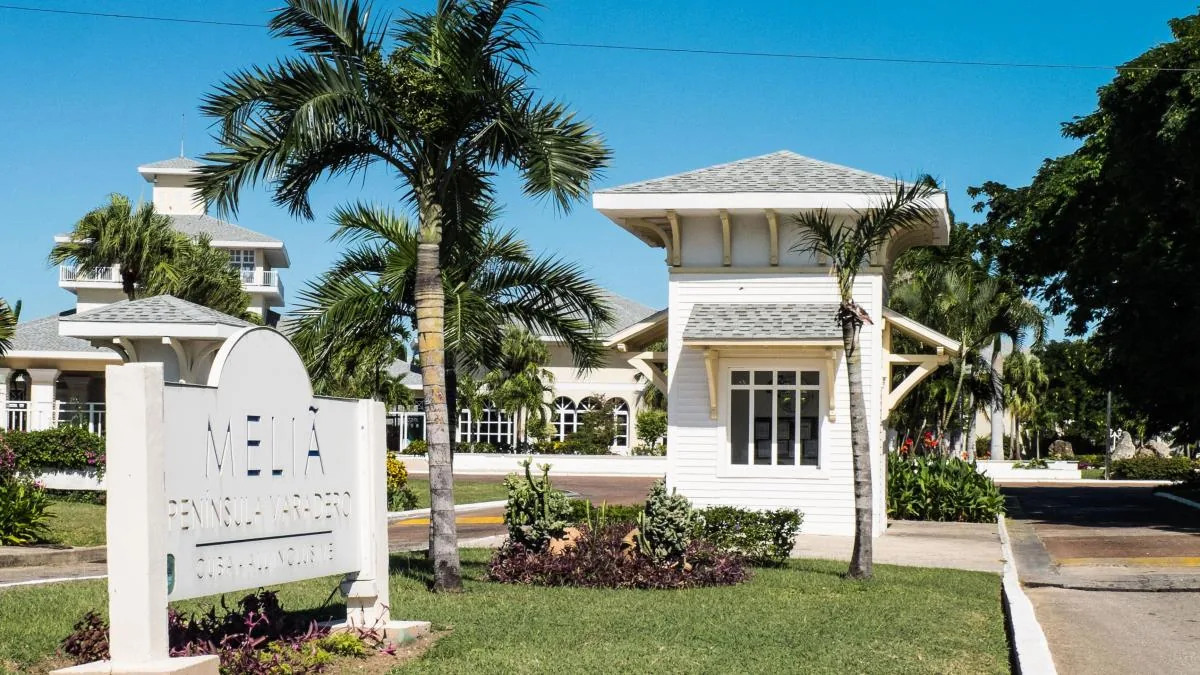
The pressure from the Trump Administration is forcing more and more Spanish companies to drastically reduce their activity in Cuba. The latest to give in has been the hotel chain Meliá, which will stop managing 15 of its establishments on the island, the company announced this Wednesday. The decision comes just one day after Iberostar announced its exit from 12 establishments and adds to the moves taken in recent months by Minor Hotels and Royalton Hotels & Resorts.
Read more The Valencia Court accepts Mazón’s appearance in the dana case
The hotel chain of the Escarrer family explains that its Portuguese subsidiary Ilha Bela will immediately end management and marketing services and the licensing of its brands in fifteen hotels located in different tourist destinations in the country.
The company attributes the measure to a combination of geopolitical, legal, economic, and operational factors that have altered the conditions under which it carried out its activity on the island. Although it avoids explicitly mentioning the United States, the announcement comes two days before the deadline set by Washington for foreign companies to abandon the management of establishments linked to Gaesa, the business conglomerate controlled by the Cuban Armed Forces.
Also read
The withdrawal affects some of the best-known hotels in Meliá’s portfolio in Cuba, including the Gran Hotel Bristol Habana Vieja, Innside Catedral Habana, Meliá Las Dunas, Meliá Cayo Santa María, Paradisus Varadero, and Sol Varadero Beach. With 34 hotels under management until now, the Escarrer family chain was the largest foreign operator on the island.
Despite the number of affected establishments, the company tries to downplay the economic impact of the operation. According to its explanation, most of the hotels included in the disaffiliation process remained closed or had very reduced activity due to the energy crisis and the drop in tourist demand the country is experiencing.
The situation in Cuba has deteriorated significantly in recent months. In the presentation of its quarterly results, Meliá already warned that the beginning of 2026 had been marked by difficulties in accessing fuel, a circumstance that caused flight cancellations and especially affected the arrival of visitors from Canada, the main source market of tourists to the island.
Read more Leo Messi, 2026 Princess of Asturias Award for Sports
Also read
The data reflect the magnitude of the problem. Between January and April, Cuba received 328,608 international visitors, 55.8% less than in the same period of the previous year. Only just over 30,000 travelers arrived in April, figures far from those recorded before the pandemic and which highlight the depth of the crisis the sector is going through.
Meliá’s withdrawal is not an isolated case. Iberostar announced this week that it will stop operating twelve of its eighteen hotels after breaking ties with the state chain Gaviota. Earlier, Minor Hotels had abandoned the management of the two establishments it operated in Havana under the NH brand. Royalton Hotels & Resorts, formerly Blue Diamond Resorts, also decided to suspend its activity on the island, which included managing dozens of establishments.
For more than three decades, Spanish chains played a fundamental role in the tourism development of Cuba. The opening of hotels managed by groups like Meliá or Iberostar allowed attracting international visitors and modernizing part of the country’s hotel infrastructure. Now, the combination of U.S. sanctions, operational difficulties, and the collapse in demand threatens to end a stage that seemed consolidated. Barceló, with two hotels in Cuba, keeps one of the establishments closed due to lack of demand.
For its part, Meliá assures that it will continue monitoring the situation to reassess its future presence on the island. It has also activated plans to ensure an orderly exit from the affected establishments. However, the succession of announcements in recent weeks points to a deeper trend change. What began as a response to Washington’s sanctions is becoming a widespread withdrawal of international operators in one of the Caribbean’s most emblematic tourist markets.
Connections from Spain to Cuba have also been reduced in recent months. Both Iberia and Iberojet have temporarily suspended their flights, and currently, only Air Europa maintains routes with the island.
Read more The OECD raises Spain’s growth forecast despite the Strait of Hormuz closure crisis