Always faithful to the appointment, the first hot days have already arrived. And as the heat intensifies, you already know the scenario: 40º, shutters down, sleepless nights… and sometimes, the power goes out. The couple electrical failures / heat is no coincidence. When the degrees run wild, so does electricity consumption, because the family takes refuge at home and you turn the cooling system up to the max. If other appliances are running at the same time — the TV, the video game console, the microwave, the washing machine… — the power can go out right at the worst moment.
Read more AI has already destroyed a quarter of the junior job supply in the digital sector in two years
Calm down! With these simple tips, this summer the heat can intensify as much as it wants, you will be prepared.
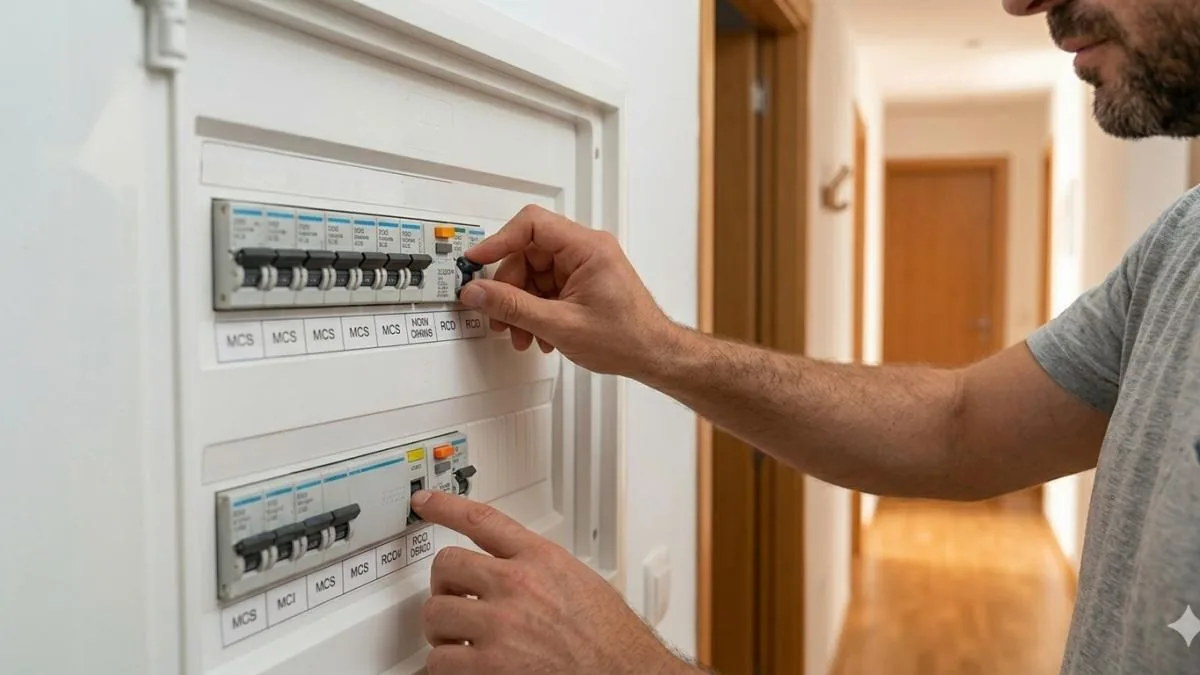
First, know your electrical panel
You pass by it several times every day, but you never quite understand what those switches are for. If it has gone unnoticed for years, it is normal not to know what to do if the power suddenly goes out. Basically, it is the control panel that receives the energy, distributes it among the different circuits and appliances. It also interrupts the supply to protect the installation and people.
It includes several switches (differential, main automatic, general power control or separated by zones…) that automatically trip to cut the power generally or partially in response to different incidents: short circuits in outlets or devices, surges or voltage spikes, energy leaks (for example, in a bare wire) or overloads when the energy consumed exceeds the contracted power in the home. The switches allow voluntarily cutting the general or zonal power to check the installation’s operation or make repairs.
The most important thing, what to do when the power goes out
- Have instructions like these handy so you don’t act from memory if you’re unsure what to do.
- Is the outage only in your home? Or also in your block, street, or neighborhood? The first thing is to check this by talking to neighbors.
- Okay, it’s at home. For safety, check the plugged-in devices that were working when the outage occurred and unplug them.
- Go to the electrical panel, check if any of the switches have tripped (if it is in the down position) and reconnect it. This is the time to plug in the appliances one by one to rule out or confirm that the switch trips due to a problem with a specific device.
- If that’s not the case, the ICP (Power Control Switch) has probably tripped because the consumption demand exceeded the contracted power, meaning the system was overloaded or something is malfunctioning causing a short circuit.
- Turn the main switch back on and wait a few minutes. The ICP can also be reset from the smart meter (press the button right next to or below the screen) or from the distributor company’s website. If the main switch hasn’t tripped, try turning it off and repeat the previous operation.
- Everything checked and done… But still no power! It’s time to notify the distributor company’s technical service. Even more so if you notice a burnt smell, crackling, or overheating in an outlet or device.
It’s not your fault, it’s the electric pirate’s!
Sometimes the extreme heat damages infrastructures and a momentary outage occurs because repairs are needed. Other times, probably most, it is due to problems with the home installation, improper consumption, or a contracted power deficit, as we have just seen. But outages also happen in homes because other people illegally tamper with the distribution network to plug in and consume for free. This type of electrical fraud can result in continuous network overloads, voltage drops, deterioration and failures in lines and transformer centers. In some cases, they have even caused fires and electrocutions.
The conclusion seems clear: to protect a basic service like energy supply, and so you don’t have to pay for a third party’s consumption, in Spain you can report suspected fraud completely anonymously. For this purpose, Endesa offers these channels: phone 800 760 220, email anomalias@enel.com, and a form on the website www.edistribucion.com.
How to know if someone has hooked into your installation and you’re paying for their party?
Note the meter consumption, disconnect the supply at the electrical panel, wait a while and check the consumption. If it has increased, you have your answer. And if it hasn’t increased, repeat the operation at other times to be completely sure.
Read more The TSJC investigates Joan Ignasi Elena as an alleged accomplice in a crime of malfeasance
Better safe than sorry, always
We could also use the saying: a cautious consumer is worth two. Most electrical system problems can be avoided in advance with informed and responsible use. The general recommendation is common sense: maintain the installation well, especially if it is old. In case of any serious doubt or frequent problems, the supplier company can advise us or send a technician. Likewise, any intervention or renovation requires an authorized installer.
Also, it is advisable to protect sensitive equipment, for example, computers, with surge protectors; keep circuits, outlets, and devices away from water; always cut the power before any intervention, even if it’s just changing a light bulb; never do it barefoot or with wet hands; and check cables, outlets, circuits, and connections to replace them at the first sign of deterioration.
Advanced prevention against heat waves
Maintenance, always, understood. But what about when the thermometers melt? It’s about protecting the installation from overloads, and also consuming as efficiently as possible to avoid shocks on the bill.
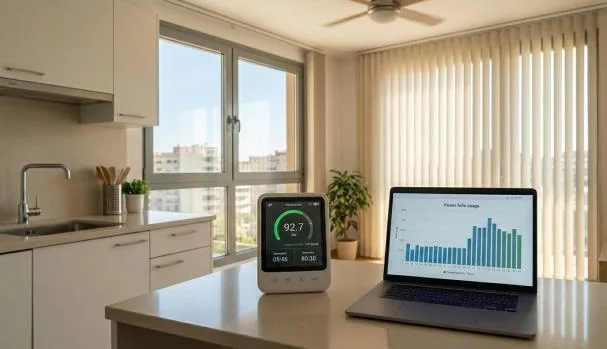
First of all, it is advisable to check if the power is just right for the home’s needs during that period. To do this, calculate the power of the systems and devices running simultaneously and compare it with the contracted power.
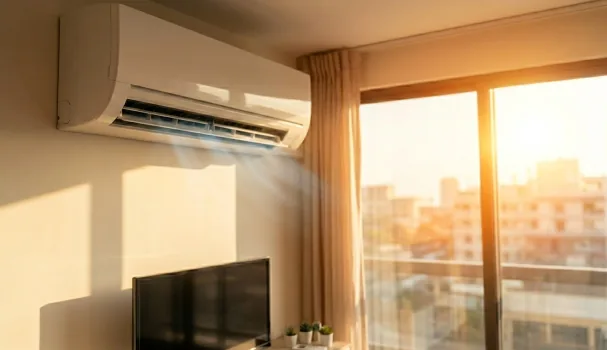
Let’s try to optimize consumption with a balance between comfort and cost. There are countless gestures here: moderate the use and temperature of the air conditioning and alternate or combine it with fans; avoid simultaneous use of high-consumption appliances; improve thermal insulation and avoid temperature leaks in doors or windows; awnings, curtains, and shutters have not lost their effectiveness against direct sunlight; treat air conditioning equipment well with cleaning, filters, and ventilation; and any other logical measure like not opening the fridge all the time, unplugging devices when not in use, not overloading power strips or adapters, or taking advantage to ventilate the house if luckily it cools down at night.
Also, to reward this domestic effort, suppliers like Endesa offer their customers advisory tools such as Infoenergía, which analyzes consumption under 15 kW for free. And not only that, they have also launched the “Para Ti” points program. The scheme is similar to other loyalty programs: the user accumulates points that can be redeemed for direct discounts on electricity and gas bills or promotions with partner companies, with a potential savings cap of up to 100 euros per year depending on program usage.
Read more Brussels wants to shield the community satellite space from rivals like Musk