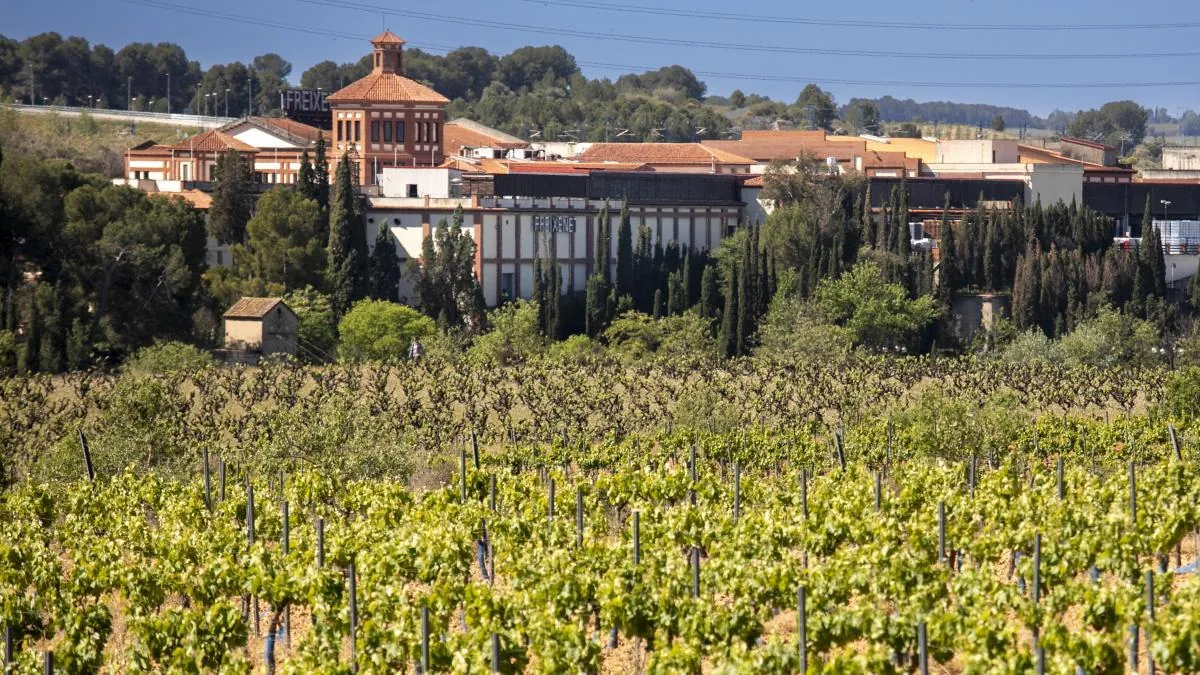
For decades, working at Freixenet has been synonymous with stability and a secure future for the residents of Sant Sadurní d’Anoia. Not for nothing, the cava leader was known as “the big house”: the company with the best working conditions in the area, with the best Christmas hamper – they even gave away a turkey – where the owning family maintained a personal bond with many of the employees and no one was ever fired. “There was a relationship of absolute closeness with the territory,” recall former employees consulted.
Read more How to protect wealth in these uncertain times
Now, strategic decisions about the company’s future are made thousands of kilometers from Catalonia, in Wiesbaden, the German city where the Henkell group has its headquarters. The German company, belonging to the Dr. Oetker family holding, took full control of the historic cava producer in March, after eight years as majority shareholder with 51% of the shares.
Also read
The operation, which involved the departure of the Ferrer family and José Luis Bonet, was decided in advance and was already anticipated in the Catalan business and political sector. But being known has not made it any less impactful. The fact that a century-old company, a flagship of a product as representative as cava, is in foreign hands has caused concern in sectors of civil society because of its significance.
Freixenet brands’ revenues within the holding fell 4% in the last fiscal year
It is not seen as just another business operation, but as a symbol of the turmoil this industry is going through. Carlyle is looking for a buyer for Codorníu that could lead to the definitive exit of the Raventós family. Meanwhile, the exodus of producers from the DO Cava to join Corpinnat continues to grow and has gained new momentum with the signing of Juvé & Camps. Adding climate change and lower alcohol consumption worldwide, it is clear that cava is at a crossroads.
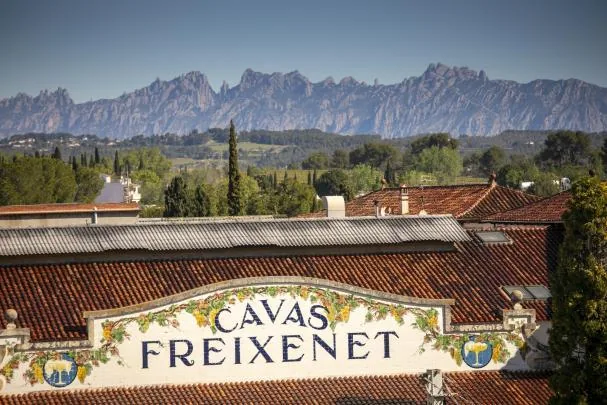
But amid this whirlwind of challenges, the truth is that Freixenet has strengthened its financial and commercial position since Henkell entered the capital in 2018 after paying 220 million euros. “In the last eight years, Henkell Freixenet has evolved into a strong international family-owned organization, which today forms the world’s leading producer of sparkling wines,” defends Josep Palau, Freixenet’s general operations director.
The cava leader has strengthened its financial position and international projection
With an extensive career within the winery, he joins the company’s new executive committee in Spain alongside Joaquín Costa (general manager of the business unit in Spain and Portugal), Martina Obregón (marketing director), and Josep Lluís Abel, financial director. The management body reports directly to Andreas Brokemper, CEO of the Henkell Freixenet group. The position was shared until March with Pedro Ferrer, who after selling his shares has focused on his own winery brand, Ferrer Wines.
Also read
But the integration was not only commercial. It also involved a deep financial reorganization. When the German group acquired half of Freixenet, it found a company with weak and volatile profitability and a debt of 300 million euros. Revenue in 2018 was 542.2 million and profit was 1 million. Therefore, one of the first decisions made was the restructuring of all bank debt. The winery began to finance itself mainly with the liquidity available from its new German parent company. An example of this rigorous financial culture brought by Henkell occurred very early on. The group “corrected” Freixenet’s 2017 accounts and clarified or canceled loans granted to the Ferrer, Hevia, and Bonet families and to companies in which they participate worth about 17 million euros, as this newspaper reported at the time.
Read more Xavi Pascual makes the decision to leave Barça at the end of the season and will sign for Dubai
The relaxation of production rules and sparkling wines outside the DO Cava worry the sector
From there, work was done to clean up the balance sheet and gain efficiencies, with more professional management that ended family disagreements. Among the changes in this stage, Palau highlights the strengthening of the international market, product innovation – non-alcoholic sparkling wines or aperitifs like Freixenet Solare – and portfolio focus, centered on the main brands and the promotion of premium labels in hospitality.
All in all, the environment is challenging. In 2025, Henkell Freixenet’s sales remained flat, with 1.25 billion euros in revenue. Freixenet recorded growth in Prosecco and Italian rosé. However, its revenues decreased by 4% globally, mainly due to cava’s performance. The group attributes the decline to the drought of recent years and U.S. tariffs.
Henkell Freixenet group sales remained flat in 2025, with revenues of 1.25 billion euros
The lack of rain and the drop in grape production motivated, according to the winery, the workforce reduction plan for 21% of the staff last year and the decision to sell sparkling wine outside of cava in some of its most relevant markets, such as Germany, Austria, and Switzerland. This move caused great controversy in the sector and for now Freixenet intends to maintain it.
The “big house” no longer belongs to the historic cava families, but it continues to set the course and positioning of the sector, now piloted from Wiesbaden. The price it pays for grapes, the pressure to relax production rules, or the sales of sparkling wines outside the DO Cava especially worry farmers and producers.
The cava giant maintains, however, that climate change and new consumption habits require adaptation. And Henkell Freixenet wants to lead that transformation.
Read more Àlex Márquez suffers a brutal accident in the Montmeló race, interrupted twice