With the aim of reducing the strategic importance of the Strait of Hormuz for its national economy, the United Arab Emirates (UAE) has announced the construction of a new pipeline that will connect the country from west to east. This project will allow avoiding transit through the enclave through which one fifth of global trade passes and is expected to be operational by 2027. The Crown Prince of Abu Dhabi, Khaled bin Mohamed bin Zayed Al Nahyan, was informed about the details during the meeting of the Executive Committee of the state oil company ADNOC. The “West-East” project will double the company’s export capacity through Fujairah, on the eastern coast, facing the Gulf of Oman.
Read more The Rafa Nadal Museum opens its doors at the Manacor academy
The prince urged ADNOC to “accelerate the execution of the project,” at a time when the oil company is seeking to move towards a “new phase of development” of global projects to “meet international energy demand.” He also praised the company’s “resilience” in maintaining safe operations and continuing to supply energy reliably to both local and international customers in a hostile environment.
Emirates, one of the nations most affected by the war
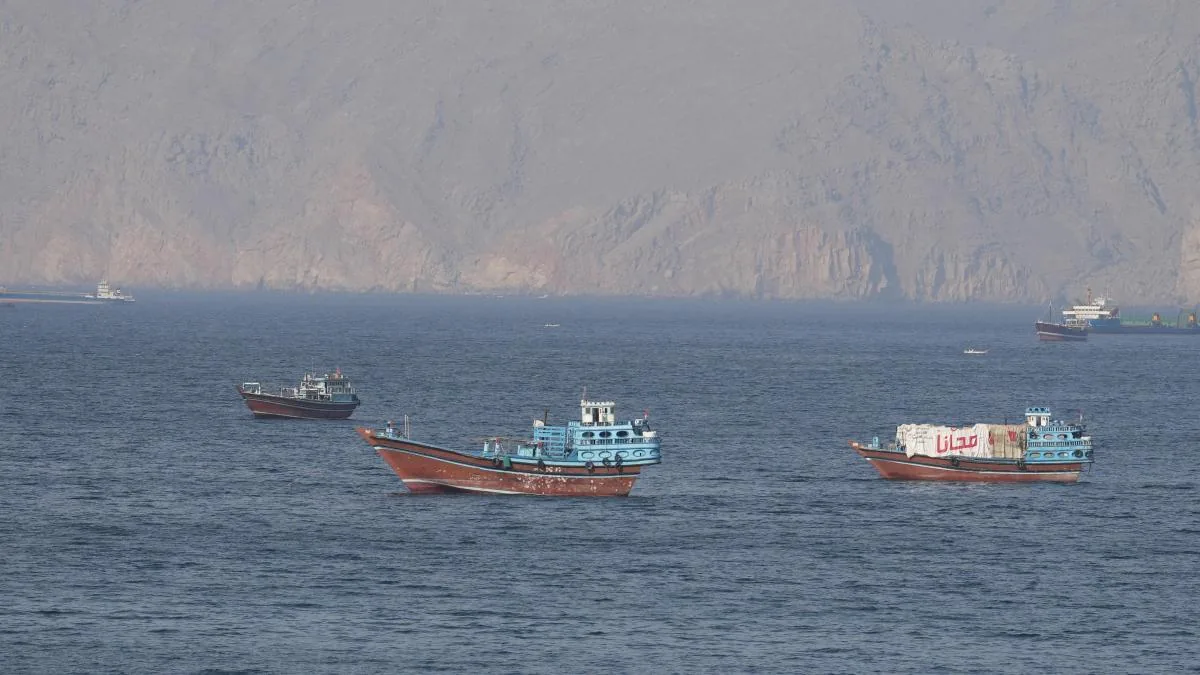
Emirates has been one of the actors most harmed by the war with Iran. The hostilities that began on February 28 triggered a response from Tehran against the Persian Gulf countries, which first led to the closure of the strait by Iran and later to a blockade by US forces. In this scenario, Abu Dhabi has intensified its diplomatic calls to reopen this vital passage, calling it a “collective necessity.” The Emirati government emphasizes that the disruption of maritime traffic threatens global economic stability and supply chains, directly blaming Tehran for any interference in a route through which 20% of the world’s oil transits.
The impact of the conflict on the hydrocarbon market has been devastating. Production by the Organization of the Petroleum Exporting Countries (OPEC) has fallen by almost 34% since the start of the fighting. For its part, Emirates, which recorded a drop of more than 40% in its pumping compared to pre-war levels, made effective its withdrawal from the organization on May 1, arguing that the constant disruptions in the Persian Gulf and the Strait of Hormuz made its continued membership in the cartel unfeasible.