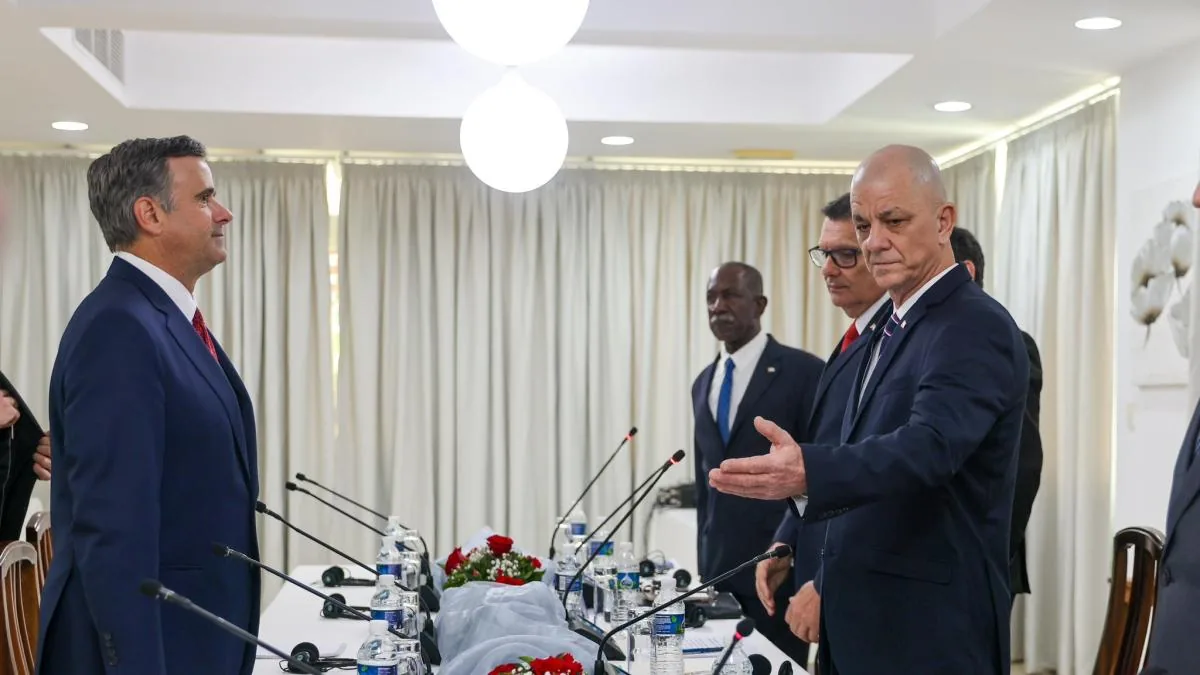
The United States is considering a formal accusation against former Cuban president Raúl Castro in connection with the shooting down of planes from the humanitarian organization Brothers to the Rescue in 1996, according to sources cited by CBS. This investigation has come to light after it was revealed that the director of the U.S. Central Intelligence Agency (CIA), John Ratcliffe, met this Thursday in Havana with senior Cuban government officials, as confirmed by both governments.
Read more Five Italian divers die in a dive in the Maldives
According to a CIA statement, Ratcliffe traveled to the Cuban capital to hold direct talks with authorities from the Ministry of the Interior and intelligence service officials of the island. During the meeting, issues related to intelligence cooperation, regional security, and Cuba’s economic situation were discussed, in a context of persistent tensions between Washington and Havana.
The visit included meetings with Raúl Rodríguez Castro, grandson of Raúl Castro and security advisor, as well as with the Minister of the Interior, Lázaro Álvarez Casas. The U.S. version indicates that the CIA director conveyed the message that the United States is willing to explore a broader dialogue on economic and security issues, although conditioned on “fundamental changes” by the Cuban government.
The meeting takes place at a time of increasing diplomatic pressure from Washington on the island and opens a new chapter of rapprochement between both governments after years of cold relations.
Washington has been pressuring the Cuban government since January to implement deep reforms in its economic system and political regime, which Havana refuses, arguing that these areas fall within national sovereignty and are non-negotiable.
To increase pressure on the island, the Trump Administration has imposed an oil blockade that is deepening the energy crisis Cuba was already suffering, and has issued an Executive Order that further expands the web of decades of economic, financial, and trade sanctions on the island, including extraterritorial measures.
Read more Lluís Permanyer stays at home
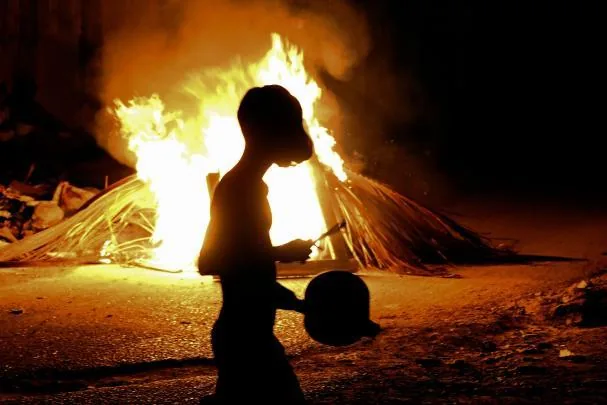
Consequently, protests broke out across the Cuban capital, Havana, on Wednesday night, as the city faced the worst intermittent power outages in decades, in the context of a U.S. blockade that has deprived the island of fuel.
Reuters witnessed multiple groups of mostly peaceful protesters at various points in the city, marking the largest night of demonstrations in Havana since the energy crisis erupted in January.
Also read
The Cuban Minister of Energy and Mines had previously said that the country had completely run out of diesel and fuel oil, and that its electrical grid had entered a “critical” state. “We have absolutely no fuel oil, nor absolutely any diesel,” said Energy Minister Vicente de la O Levy on state media. “We no longer have reserves.”
Blackouts have increased drastically this week, with many neighborhoods in Havana without power for 20 to 22 hours a day, according to the minister, exacerbating tensions in a city already exhausted by shortages of food, fuel, and medicine.
Read more The bridges built by Óscar Muñoz